BASRA, Iraq: Iraqi police used batons and rubber hoses on Tuesday to disperse about 250 protesters who gathered at the main entrance to the giant Zubair oilfield near Basra, police said, in growing unrest across southern cities over poor basic services.
Officials at the field, run by Italy's Eni, said production operations were running normally.
Protesters have vented their anger at several major oilfields since the demonstrations began nine days ago.
Local officials say production has not been affected at any of the fields.
Iraq, the second-largest crude oil producer in the Organization of the Petroleum Exporting Countries after Saudi Arabia, produced around 4.5 million barrels per day (bpd) in June. Production at the Zubair field was 475,000 bpd, an Iraqi oil official said in May.
"We had orders not to use live fire but we also have orders not to allow anyone to disrupt operations at oilfields and we will take necessary measures to keep the protesters away from the fields," said a policeman at the scene.
Protesters have attacked provincial government buildings, local headquarters of political parties and powerful Shi'ite militias and stormed an airport in the holy city of Najaf.
Demonstrations over the same issues have occurred in the past. The unrest this time is more widespread and is politically-sensitive. Prime Minister Haider al-Abadi is seeking a second term after a May 12 parliamentary election tainted by allegations of corruption.
In a meeting with government officials carried on state television, Abadi promised to allocate funds for water and electricity and create jobs in the oil-exporting city of Basra.
The Shi'ite heartland south has long been neglected despite its oil wealth, first by Sunni dictator Saddam Hussein and then Shi'ite-led governments after him, including Abadi's.


![]()

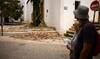
Protesters gather at main entrance to Iraq’s southern Zubair oilfield

Protesters gather at main entrance to Iraq’s southern Zubair oilfield
- Protesters have vented their anger at several major oilfields since the demonstrations began nine days ago
- Abadi promised to allocate funds for water and electricity and create jobs in the oil-exporting city of Basra


Latest updates




© 2026 SAUDI RESEARCH & PUBLISHING COMPANY, All Rights Reserved And subject to Terms of Use Agreement.