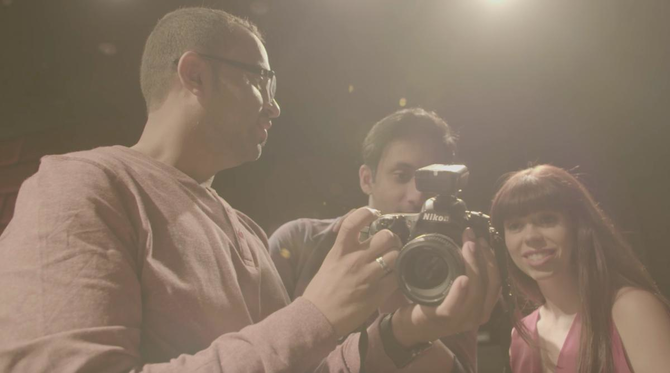
DUBAI: National Geographic Abu Dhabi (NGAD) launched the latest season of “I am a Nat Geo Photographer” last night. The four-part reality show pits four amateur photographers from the region against each other as they strive to capture a shot worthy of publication in “National Geographic Al Arabiya” magazine. The 2018 season is based in the United Arab Emirates.
Emirati artist Obaid Al Budoor, Saudi Hesham Al Humaid — a Dammam-based health-management technician, Lebanese artist Cynthia Ghousoub, and Egyptian freelance photographer Amina Sabry will face off in a series of challenges throughout the show.
The winner will receive an all-expenses-paid trip to Tanzania worth over $10,000, during which they will receive guidance from Nat Geo experts, in addition to $7,500 worth of Nikon equipment.
Saudi media personality Tariq Edrees hosts the show, and main judge Marwa Abu Laila — founder of Photobia and publisher of “Photo Egypt — is joined on the judging panel by award-winning Saudi Nat Geo photographer Tasneem Sultan; Iraqi photographer Mohamed Al Daou, head of research and development at the Hamdan Bin Mohammed Bin Rashid Al Maktoum International Photography Award; Red Bull photographer Naim Chidiac; and photojournalist Jack Dabaghian. Each episode will also feature celebrity guests, including martial arts expert Rio Altaie, fashion designer Faissal El-Malak and Los Angeles-trained actor Deepak Venugopal.
Al Humaid is, understandably, thrilled to be taking part. “To be a National Geographic photographer is a huge thing,” he said in a statement. “It’s a dream for me. A NatGeo photographer, in my view, has unique characteristics; he is a person that can handle tough circumstances and can adapt to any situation.”
He believes his “love for adventure” will be a benefit, but admitted: “My weakness is my shyness, which limits my abilities.”
Appearing in front of, potentially, millions on a pan-Arab TV show should help cure that.

Shooting for the big time: Regional snappers in Nat Geo photography show
Creators spotlight graphic novels as powerful literacy tools at Dubai literature festival
DUBAI: Comic creators Jamie Smart, John Patrick Green and Mo Abedin joined the Emirates Airline Festival of Literature in Dubai this week to discuss the growing role of comics in classrooms and how graphic novels are reshaping children’s relationship with reading.
Smart is the author of the bestselling “Bunny vs. Monkey” series, Green is known for his popular “The InvestiGators” books about crime-solving alligators, and Abedin is the UAE-based creator of the sci-fi graphic novel “Solarblader."
A key point shared by all three speakers was that comics should be valued as a complete art form rather than a stepping stone to prose. Abedin described comics as “a very high art form,” explaining that the medium taught readers how to process complex ideas such as emotion, empathy and culture through visual storytelling.
He added that comics allowed readers to slow down and engage on their own terms because “the reader is also able to control the pace of the narrative.”
For Smart, the power of comics lies in the emotional connection they create. He spoke about how the word “comics” immediately takes him back to childhood, recalling being “eight years old and going down the newsagent” and spending hours reading. That sense of joy, he said, is what many reluctant readers respond to. He noted that parents often tell him, “My child would not read a book, a single book … until they picked up a comic,” adding that comics inform readers even when they are simply entertaining. “They can just be an emotional, heartfelt story,” he said.
Green focused on how comics function as a visual language that readers learn over time. He described them as “almost a separate language,” noting that some adults struggle at first because they are unsure how to read a page — whether to follow images or text. But that flexibility is what gives comics their strength, allowing readers to choose how they experience a story and giving them more agency than prose or film.
The panel also discussed re-reading as a powerful part of the comics experience. Children often race through a book for the plot, then return to notice visual details, background jokes and character expressions, building deeper comprehension with each reading.
By the end of the session, all three agreed that comics should be studied and respected as their own form of literature — one that welcomes readers of all levels, builds confidence and makes reading feel like discovery rather than obligation.