Cairo court acquits female singer of inciting debauchery in music video

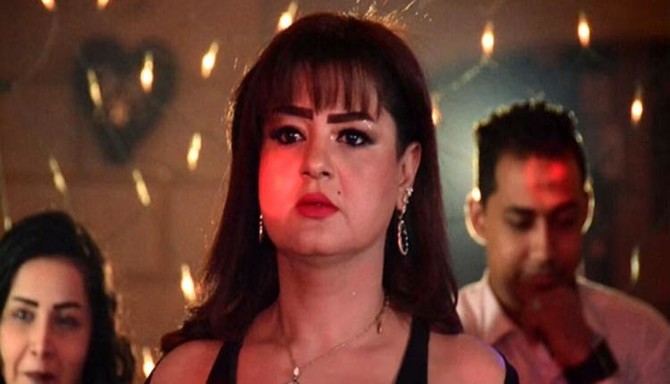
Laila Amer was sentenced to two years in prison for a musical clip. (Screenshot)
Updated 18 March 2018
Follow

Cairo court acquits female singer of inciting debauchery in music video

CAIRO: A Cairo court has acquitted a low-profile Egyptian singer who was charged with “inciting debauchery and immorality” last month over a controversial music video.
Prosecutors had previously sentenced singer Laila Amer to two years in prison for a musical clip that they said contained “sexual overtones,” Ahram Online reported.
But a ruling on Saturday by the Giza misdemeanour appeals court overturned the debauchery charge along with two other men who were also involved in the music video.
Amer and the two men were arrested in January after several lawyers filed legal complaints against them for their song “Bos Omak” (translated as "Look At Your Mother"), which is a pun on an Arabic expletive.
Amer became the second female singer to be sentenced over debauchery charges in Egypt in the last few months.


Makkah museum displays world’s largest Qur’an

Updated 04 February 2026
Follow

Makkah museum displays world’s largest Qur’an

MAKKAH: The Holy Qur’an Museum at the Hira Cultural District in Makkah is showcasing a monumental handwritten copy of the Holy Qur’an, recognized as the largest Qur’an of its kind in the world.

The manuscript measures 312 cm by 220 cm and comprises 700 pages, earning the museum recognition from Guinness World Records for displaying the world’s largest Qur’an, the Saudi Press Agency reported.

The manuscript is a magnified reproduction of a historic Qur’an dating back to the 16th century, the SPA stated.

The original copy measures 45 cm by 30 cm, with the chapters written primarily in Thuluth script, while Surah Al-Fatiha was penned in Naskh, reflecting the refined artistic choices and calligraphic diversity of the era.

The Qur’an is a unique example of Arabic calligraphy, gilding and bookbinding, showcasing Islamic art through intricate decorations, sun-shaped motifs on the opening folio, and elaborately designed frontispiece and title pages that reflect a high level of artistic mastery.

The manuscript was endowed as a waqf in 1883. Its original version is currently preserved at the King Abdulaziz Complex for Endowment Libraries, serving as a lasting testament to Muslims’ enduring reverence for the Qur’an and the richness of Islamic arts across the centuries.