CAIRO: Egyptian authorities have published a list of telephone numbers for citizens to use to bring to the attention of prosecutors any media reports they perceive as undermining the country’s security or hurting public interest.
The publication of the numbers — listed in a statement issued late on Monday by the office of Egypt’s chief prosecutor — is a step up in the government’s crackdown on the media, less than two weeks before the presidential election in which the incumbent, President Abdel-Fattah El-Sisi, is running virtually unopposed.
Last week, chief prosecutor Nabil Sadeq told his staff to monitor the media and move against any they consider to be “hurting national interests.”
Monday’s statement, however, has potentially provided millions of Egyptians who support Sisi and his government with an official channel to complain against any media content critical of the authorities.
The statement listed eight mobile phone numbers for different parts of Egypt, advising citizens to send complaints on WhatsApp or as text messages. It instructed citizens to provide their personal details, along with their complaints, and said the move was a follow-up to Sadeq’s statement last week.
Sisi’s government has already sought to exert heavy control over reporting on the March 26-28 election, issuing guidelines barring journalists from asking people who they would vote for beforehand or from conducting any polling.
Authorities have also increasingly depicted criticism as a violation of national security at a time when Egypt is trying to revive its economy battered by years of turmoil and contain an insurgency by Islamic militants.
A general-turned-president, Sisi has worked to quiet much of the media, demanding everyone fall in line with his policies to restore stability. But the threat of prosecution is in contrast to mostly indirect methods used in the past to silence dissenters.
The state media and most privately-owned TV networks are loyal to Sisi and spearheaded by powerful talk show hosts who lavishly praise his policies, cover up failures and demonize critics.
Critical TV personalities have been taken off air and dozens of independent and Islamist news sites on the Internet have been blocked. With pro-government media sometimes depicting foreign press as promoting a negative image of Egypt, cameramen in the streets can sometimes face harassment from crowds or police.
Since the crackdown began, a pro-government talk show host was detained for two days for insulting the police on his state TV talk show in which he advocated for higher salaries for policemen.
Egypt’s State Information service has called on officials and the country’s “elite” to boycott the BBC after it broadcast a report on the repression of dissent under Sisi that addressed torture and forced disappearances. It has demanding an apology from the BBC and asked the broadcaster to confirm that its report contained inaccuracies.
Also this month, prosecutors ordered the detention of two journalists after their arrest while preparing a report on the historic tramway in the Mediterranean city of Alexandria. In a separate case, the playwright and director of a play staged at a Cairo sports club were arrested for their involvement in a play seen as insulting to security forces.
Egyptian authorities have waged a fierce crackdown on Islamists since 2013, when Sisi as defense minister led the military’s ouster of President Mohamed Morsi, an Islamist whose one year in office proved divisive. Thousands of Islamists have been arrested, and the campaign has also targeted secular pro-democracy activists, many of whom are now in prison.
Sisi has said he wants to build a modern and democratic state but has also said liberties must take a backseat to ensuring stability and fighting terror.


![]()
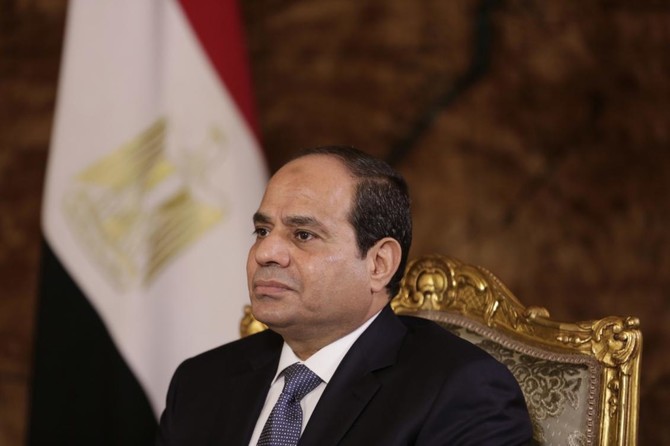
Egypt escalates crackdown on media ahead of election
Egypt escalates crackdown on media ahead of election
Latest updates


© 2026 SAUDI RESEARCH & PUBLISHING COMPANY, All Rights Reserved And subject to Terms of Use Agreement.