DUBAI: An incredible increase in female employment in the Muslim world during the past 15 years means that there are now more women working in the region than in the US or EU.
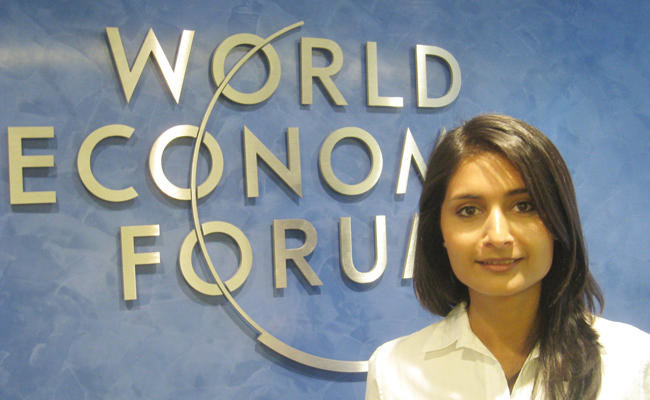
“Just after the turn of the millennium, across the largest emerging markets of the Muslim world 100 million women were working,” said economist Saadia Zahidi, head of education, gender and work, and a member of the executive committee at the World Economic Forum. “Today, that number is 155 million, more than a 50 percent increase in just a decade and a half.”
Speaking exclusively to Arab News ahead of International Women’s Day, Zahidi told how her book, “Fifty Million Rising,” published in January 2018, sheds light on this change in employment patterns through the stories of some of the Muslim women playing crucial roles in their economies.
However, the Western world might continue to view and stereotype Muslim women. She points out that their combined income now ranks them as a major economic force.
“My book is about this remarkable rising of an additional 50 million working women across the Muslim world, focused in particular on 30 economies including many in the Arab world as well as Pakistan, Iran, Turkey, Kazakhstan, Indonesia and Malaysia,” said Zahidi.
“The combined income of the 155 million working women across the Muslim world is nearly $1 trillion, making them the 16th largest economy in the world. As consumers, employees, employers, entrepreneurs and taxpayers, they are a newfound economic power and this in turn is changing both the economy and society in their countries.”
The quality and availability of education for women in Saudi Arabia is much better than many other countries, Zahidi pointed out.
“Half of all university-age women in Saudi Arabia attend university,” she said. “This proportion is more than in Brazil, India and China and is a unique education success story. The potential of this talent
is unparalleled and, if unleashed, it can contribute to the goals of Vision 2030 and the diversification of the economy.
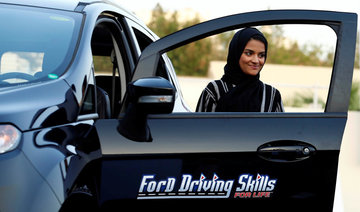
“The changes in regulations around driving and being able to register a business are a good start. More must be done to ensure that women can fully integrate their skills into the economy through employment and entrepreneurship.”
A lack of role models remains a hurdle for many young Arab women but change is happening regardless.
“For many young women who are joining the workforce today there are no working women in their mothers’ and grandmothers’ generations, said Zahidi. “A lack of positive role models is often a drawback.
“However, the positive is that young women in the Muslim world today believe nothing can hold them back. They are trailblazers themselves and therefore extremely skillful negotiators in carving new roles for themselves, setting a new standard in the society around them and inspiring a new generation.”