DUBAI: The interception of two Emirates airliners not only endangered the lives of hundreds of people, but also represented a “very serious escalation” by the Qatari government – UAE daily Gulf News has said in a hard-hitting editorial that accuses Doha of "crossing a red line."
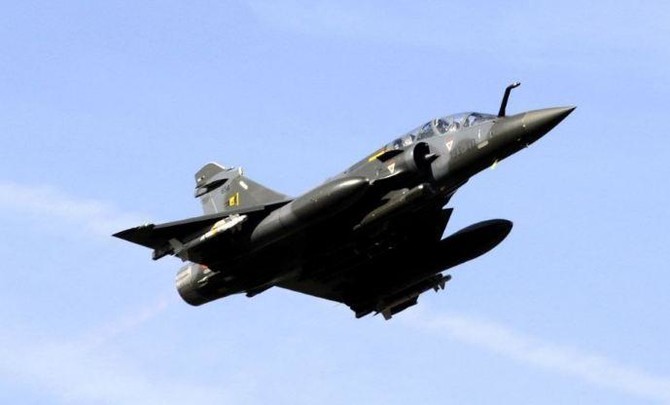
The newspaper was responding to two incidents on Monday where Emirates airline passenger jets traveling to Bahrain were intercepted by Qatar fighter planes.
The article said Qatar’s “wilful and deliberate” use of its fighter jets on civilian aircraft in international airspace showed the country to be an “active participant in terrorizing those on board the two civilian flights,” adding: “Clearly, Qatar has no interest in resolving this dispute, has no regard for the safety of air passengers, and has upped the ante in the most dangerous and deliberate fashion. That has been duly noted by all.”
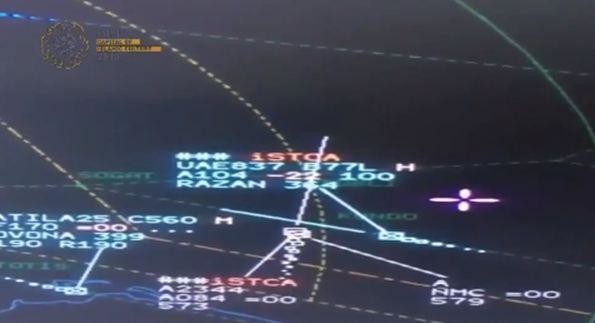
Doha has denied that the incidents happened, but on Tuesday Bahrain’s Civil Aviation Authority released video footage of the tracking of one of the incidents.
Questioning Doha’s denial, the editorial said the incidents were witnessed both by passengers and crew onboard the flights – as well as air traffic controllers at Manama airport who saw the interceptions “unfold on their radar screens.”
“This incident represents a very serious escalation by the Qatari government, and that it is now willing to endanger the lives of some 400 persons on two civilian aircraft speaks to its recklessness,” the editorial stated.
The article went on to explain that the flights were using a popular “air corridor into Bahrain” that was used regularly each day.
“It is an incident that jeopardized the safety of the planes and passengers, and it is a blatant and unacceptable action that has been reported to authorities at the highest level responsible for civilian aircraft movement and safety,” the comment piece added.
The incidents were just the latest in the ongoing standoff that started in June 2017 when the UAE, Bahrain, Saudi Arabia and Egypt broke off diplomatic relations with Qatar amid claims that the small gas-rich nation supported extremists – it is an allegation Doha denies. The four nations later agreed to ban Qatar from using their airspace.


![]()
![]()
UAE daily slams Qatar fighter jet intercept of Emirates passenger flights
UAE daily slams Qatar fighter jet intercept of Emirates passenger flights

Latest updates


© 2026 SAUDI RESEARCH & PUBLISHING COMPANY, All Rights Reserved And subject to Terms of Use Agreement.