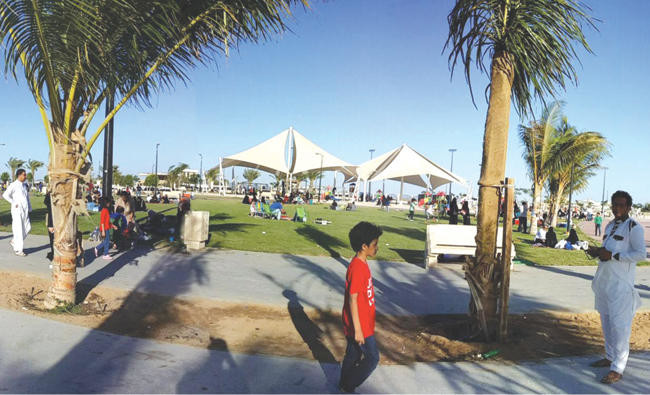
Muslims around the world are preparing to mark the end of Ramadan with colorful Eid Al-Fitr celebrations and with more than 10 million foreigners in Saudi Arabia, the country is a melting pot of various nationalities who all mark the Islamic holiday in their own unique way.
From the Sudanese community to Pakistani expatriates, the food, outfits and traditional festivities on this occasion are varied and wide-ranging.
Majdi, a Sudanese driver working for a family in Taif, reveals how members of the Sudanese community celebrate while away from home.
“A group of guys and I gather at a farm lent to us by one of our employers and we start our early morning with a cup of tea with milk and deep-fried luqaimat before Eid prayers. We greet our fellow Muslims at the mosque and go home to relax until it’s time for lunch. Our meal comprises of Sudanese aseeda, or jelly bread, and a barbeque of different meat cuts. It reminds us of home,” Majdi told Arab News, adding that being around his fellow countrymen makes being away from home easier.
It is not only Muslims who celebrate Eid Al-Fitr, however.
Johnny, a Filipino barista, also marks the occasion with his Muslim and Christian friends. The celebrations start later in the evening with traditional Filipino food brought by their friends and neighbors.
“We Filipinos are very hospitable and we hold a picnic every year… it feels good to be around everyone on such a joyous occasion. I’ve been in Saudi Arabia for a little over three years now and celebrating Eid isn’t so bad with everyone around.”
But what treats can be found on a typical Filipino table?
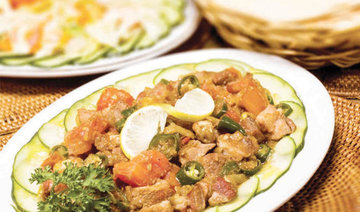
“Common Filipino foods include beef bulalo, grilled fish and the Pinoy version of leche flan,” he said.
It is not uncommon to see Muslims — regardless of their nationality — dressed up in new clothes for the occasion. Sweets and money are distributed to eager children and families often gather to celebrate together.
Stroll through Jeddah’s Al-Aziziyah district in the run-up to Eid and you will find that the shop windows are filled with colorful displays of the newest and brightest fabrics as Indian and Pakistani merchants advertise the latest sari and salwar kameez collections.
For many Indians and Pakistanis in the Kingdom, Eid begins with a phone call home as well as a breakfast of festive goodies.
On the big day, children are dressed in their snazziest outfits and little girls and boys — in their frocks and kurtas — hand out sweets at the mosque.
Women and young girls often decorate their palms with henna designs and adorn their wrists with gold and silver bangles. After the Eid prayers, families visit their friends and relatives and often enjoy special foods made for the occasion.
One of the most popular dishes served by Indians and Pakistanis is seviyan, a sweet, milky dish loved by children and adults alike.
It is a traditional dessert of vermicelli boiled in sweetened milk. Cardamom, pistachios and raisins are often added to infuse the dish with extra flavor.
“It’s the taste of our childhood; it’s the dish that I crave most from home because it’s served at weddings and on special occasions such as Eid. My grandmother used to make the finest seviyan and now my wife makes her own version of it that is just as if it were from home,” Mohammed, a Pakistani tailor who has lived in the Kingdom for more than 15 years, told Arab News.
“We celebrate with my large family since both my brothers have moved here and we’re lucky to have my mother here as well during the Eid festivities. It’s a special time of the year when we all gather wearing our best clothes.
“We all head out to the mosque together while our wives and mother prepare great dishes for us to have all day long. There’s our traditional biryani and chicken haleem, of course seviyan, freshly-made chapattis, carrot halva and so many more dishes. My wife has also learned a few traditional Saudi dishes that she incorporates into our celebrations as well,” Mohammed added.
This year, residents of Saudi Arabia who hail from across the world will celebrate Eid as they have always done — with prayers, delicious food and quality time with their families.
• [email protected]


![]()
![]()
![]()

Around the world in Saudi Arabia: How the Kingdom’s expats mark Eid

Around the world in Saudi Arabia: How the Kingdom’s expats mark Eid
Latest updates


© 2026 SAUDI RESEARCH & PUBLISHING COMPANY, All Rights Reserved And subject to Terms of Use Agreement.