AL-MUKALLA: Yemeni government forces have retaken two villages and a hilltop position west of Taiz after launching a counterattack against Iran-backed Houthi forces, while warplanes struck a gathering of Houthi fighters in the same area, a military official said on Monday.
Abdul Basit Al-Baher, deputy head of the Yemeni army’s Moral Guidance Division in Taiz, told Arab News that government troops, backed by local resistance fighters, had attacked Houthi positions in Al-Wazi’yah district over the past 24 hours. The aim of the operation was to recover territory lost during the Houthis’ recent offensive.
“The enemy is fleeing, leaving behind equipment and weapons as spoils of war,” Al-Baher said.
“The armed forces, backed by the Popular Resistance, have made new gains on the ground along the front lines west of Taiz.”
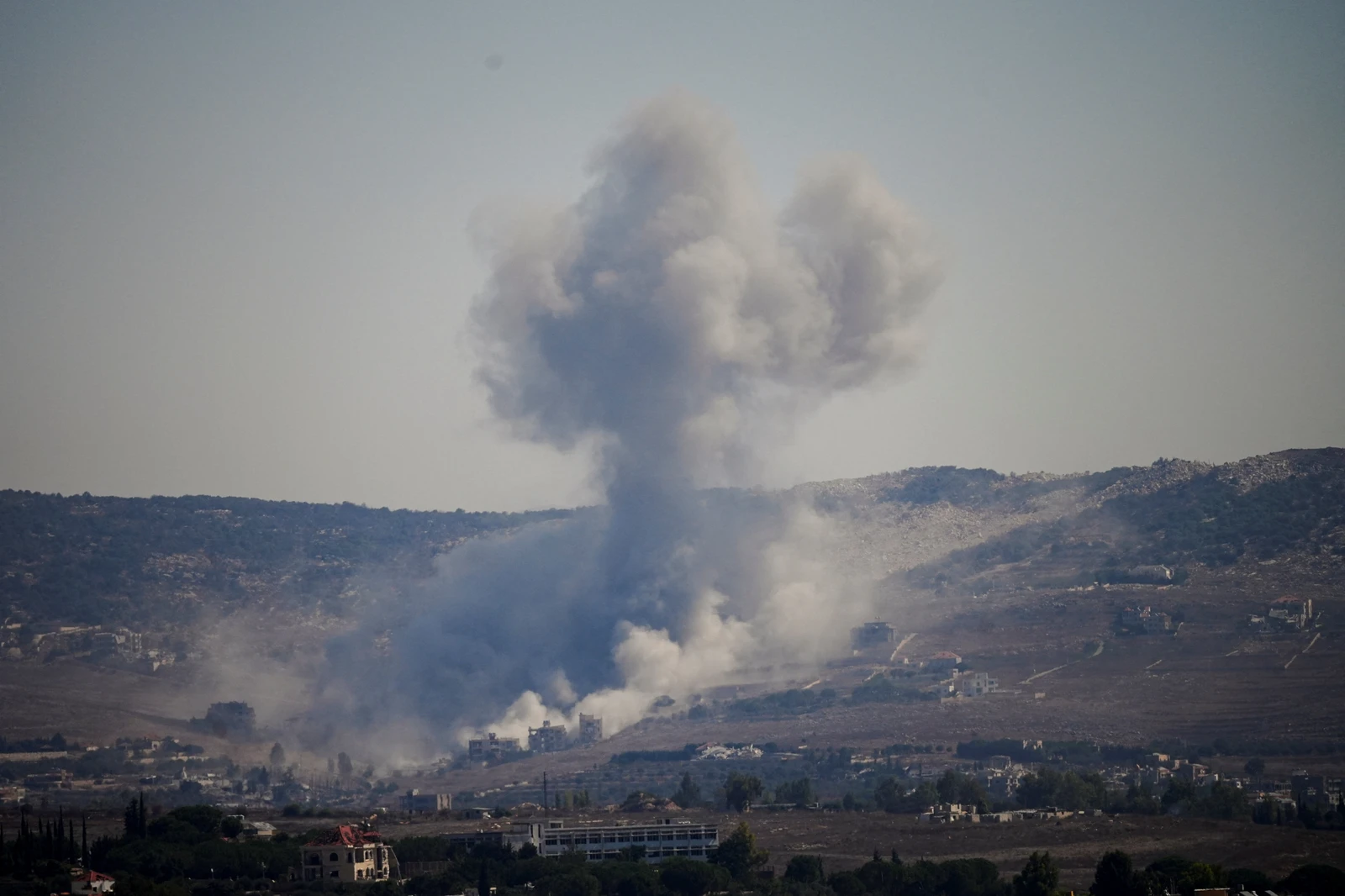
As government forces fought on the ground, warplanes struck a government building on Sunday night in Al-Wazi’yah district where dozens of Houthi fighters, including a field commander, had gathered, Al-Baher added.
The Houthis this month launched their largest offensive in years against government-held districts in western Yemen, after heavily shelling positions with drones, missiles and mortar rounds. The assault triggered fierce fighting that left hundreds of combatants dead or wounded on both sides.
For more than a decade, Houthi forces have maintained positions on the outskirts of Taiz, one of Yemen’s most densely populated cities, from where they have shelled the city and restricted access. Their repeated attempts to seize Taiz have failed in the face of resistance from government forces.
Al-Baher said Yemeni army units and allied local fighters resisted earlier Houthi offensives despite severe shortages of weapons and ammunition while facing superior Houthi manpower and firepower.
“We used to issue 30 rounds to each soldier, and four soldiers would share a single rifle,” he said, recalling the early years of fighting in Taiz.
“The Houthis surrounded us on all sides with 13 military brigades, firing 1,200 projectiles every 24 hours. Yet, we triumphed. It comes down to national conviction; people defending their land, ready to die upon its soil.”
Government military officials said the situation was markedly different now. Following the rapid seizure by the Houthis of government-held areas along Yemen’s Red Sea coast, including Mokha last week, officials said forces were preparing for the possibility of fresh attacks on Taiz and Marib, two of the most important population centers that remain under government control in northern Yemen.
“The National Army can be described today as a professional, mission-oriented force,” Al-Baher said.
“Today, we have a well-trained army and officers who graduated from military institutions in Saudi Arabia, Sudan and Jordan, as well as from the Military College in Aden and the Aviation College in Marib.”
Government forces had improved their military capabilities, received new weapons and were now benefiting from air support, he added.
“Today, we are advancing steadily and securing the positions we have recaptured,” Al-Baher said.
“We have reorganized our ranks and now have air support. We have also received reinforcements from our allies, as well as from other fronts and military units.”
The counteroffensive came as the head of Yemen’s Presidential Leadership Council, Rashad Al-Alimi, praised government forces for their operations against the Houthis in Marib, Jouf, Taiz, Al-Bayda, Dhale and other flashpoints.
Al-Alimi spoke by telephone with other members of the council and senior military commanders to receive updates on the battlefield, the official state-run SABA news agency reported. He also ordered assistance for people displaced by the capture of Mokha and surrounding areas along the Red Sea coast by the Houthis.
Al-Alimi described the recent Houthi gains as a “temporary” setback that would not alter the government’s broader campaign.
“The state’s compass will remain clear and steadfast, directed toward restoring its institutions and extending its sovereignty over the entire national territory,” SABA quoted him as saying.
He added that developments on the ground would not change that objective or diminish the ability of Yemen’s armed forces to pursue it.
Meanwhile, Yemen’s Human Rights Ministry said on Sunday that Houthi missile and drone attacks on densely populated areas in Marib, Hodeidah and Taiz killed 150 civilians, wounded 200 and displaced about 85,000 people between Sept. 3 and 13. The figures were reported by SABA and could not be independently verified.
Yemeni forces counterattack Houthis west of Taiz after Red Sea setbacks