- Iran’s parliament passed a new bill allowing non-clerics to serve as intelligence minister
- The position has been vacant since the previous minister’s death
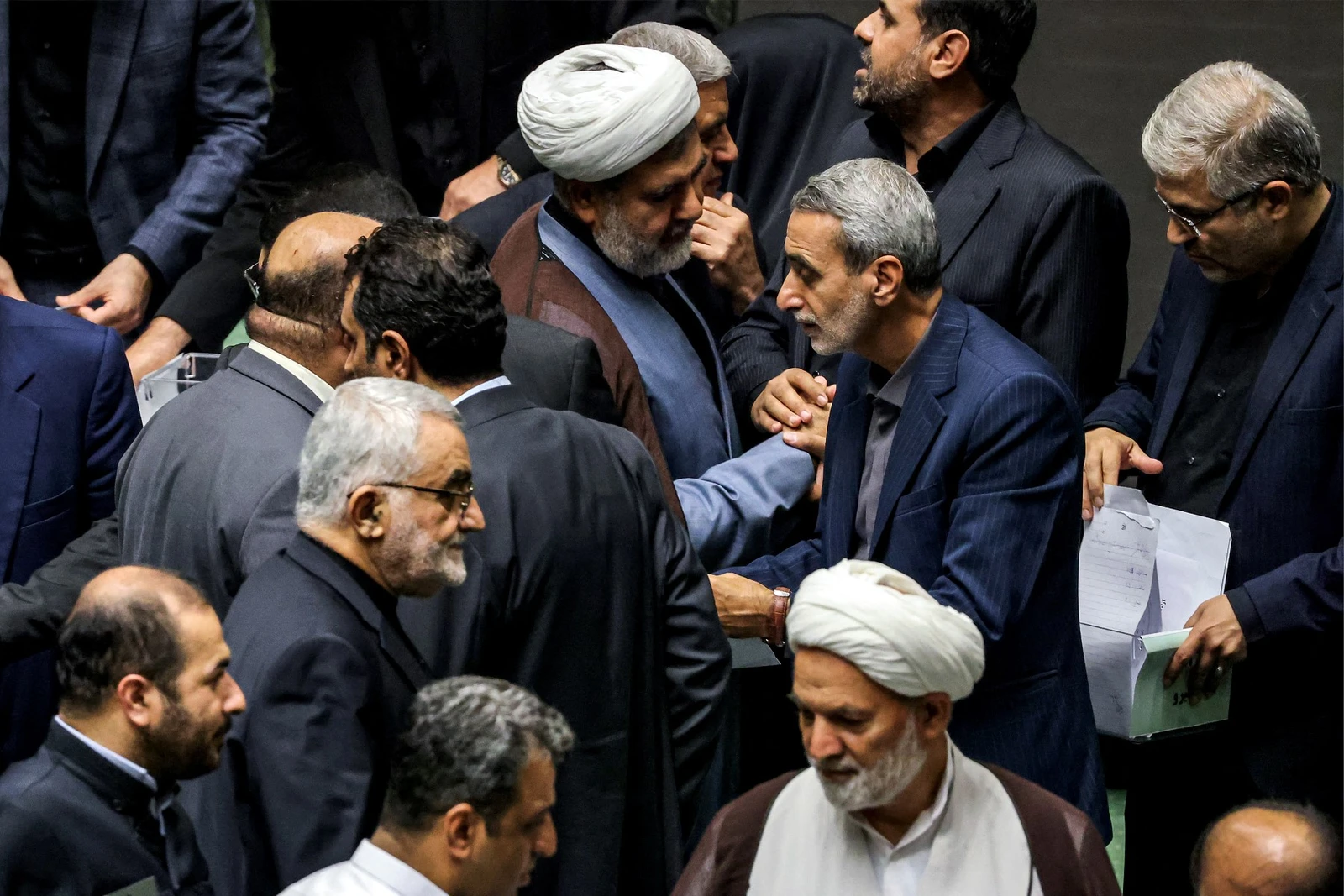
TEHRAN: Iran’s parliament passed a bill on Sunday allowing non-clerics to serve as intelligence minister, a post that has not been permanently filled since the previous minister was killed early in the Middle East war.
The bill, which still needs final approval, eases a requirement in place for more than four decades that candidates have advanced qualifications in Islamic law.
Esmail Khatib, a 65-year-old cleric who had held the position since 2021, was killed in March during the most intense phase of the war with the United States and Israel.
On March 22, days after his death, an Iranian presidential spokesman announced the appointment of an acting intelligence minister without disclosing his identity.
Parliament speaker Mohammad Bagher Ghalibaf on Sunday urged the government to appoint a permanent new minister “without delay” once the legislation receives final approval, citing the “current circumstances” as grounds for the urgency.
Under the amendment, candidates must have attained “the level of ijtihad or hold a master’s degree, alongside intelligence experience and at least 10 years in middle or senior management,” according to ISNA news agency.
The previous law, in place since 1983, required the minister to have religious education at the level of ijtihad, without giving an alternative.
In Shia Islam, ijtihad is an advanced level of expertise in Islamic jurisprudence that enables a scholar to independently derive religious legal rulings.
It was not immediately clear how many lawmakers voted in favor. The bill still needs approval from the Guardian Council, which reviews legislation for compatibility with Islamic law and the constitution.