- Life sentence for former Grand Mufti Ahmad Badreddin Hassoun marks a new stage in Syria’s reckoning with Assad-era abuses
- The verdict came as Washington lifted key restrictions, opening the way for investment and deeper economic ties with Damascus
CAIRO: The conviction of Syria’s former grand mufti Ahmad Badreddin Hassoun and Washington’s decision to remove a major obstacle to economic engagement came within hours of each other this week, highlighting two central elements of the country’s post-Bashar Assad transition.
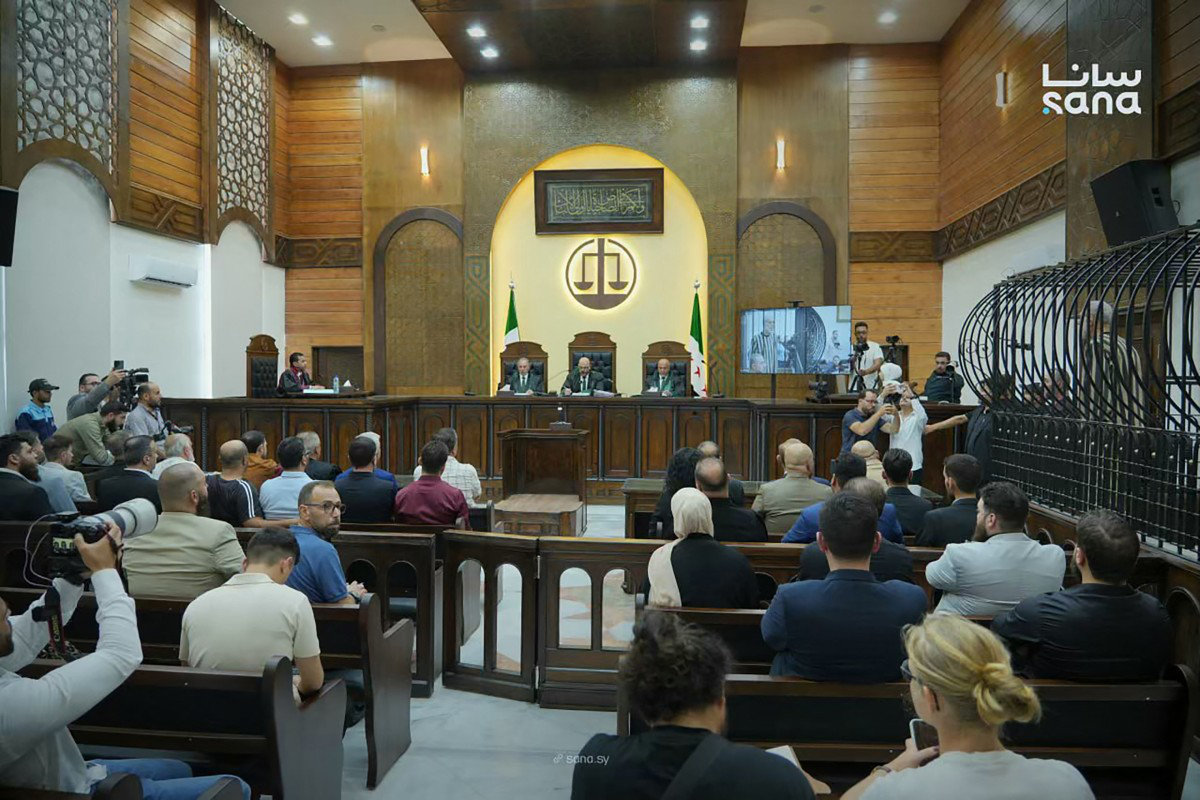
On Monday, a court in Damascus sentenced Hassoun to life imprisonment after convicting him of charges including inciting civil war and sectarian strife, incitement to intentional homicide and exploiting his position as the country’s senior Muslim cleric.
The court also ordered the confiscation of his movable and immovable assets and their transfer to the public treasury.
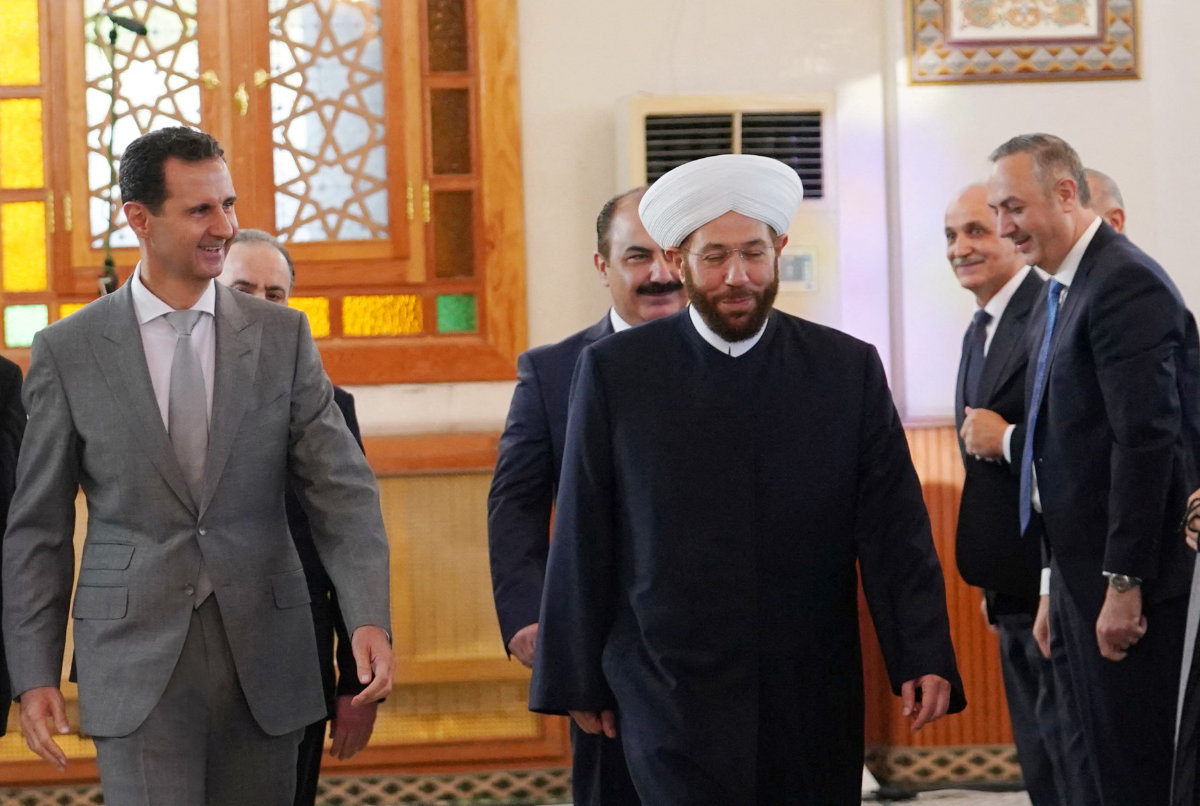
Hassoun, 77, was Syria’s grand mufti from 2005 until 2021, when the government abolished the position. He was closely associated with Assad and frequently appeared alongside the former president at religious and official occasions.
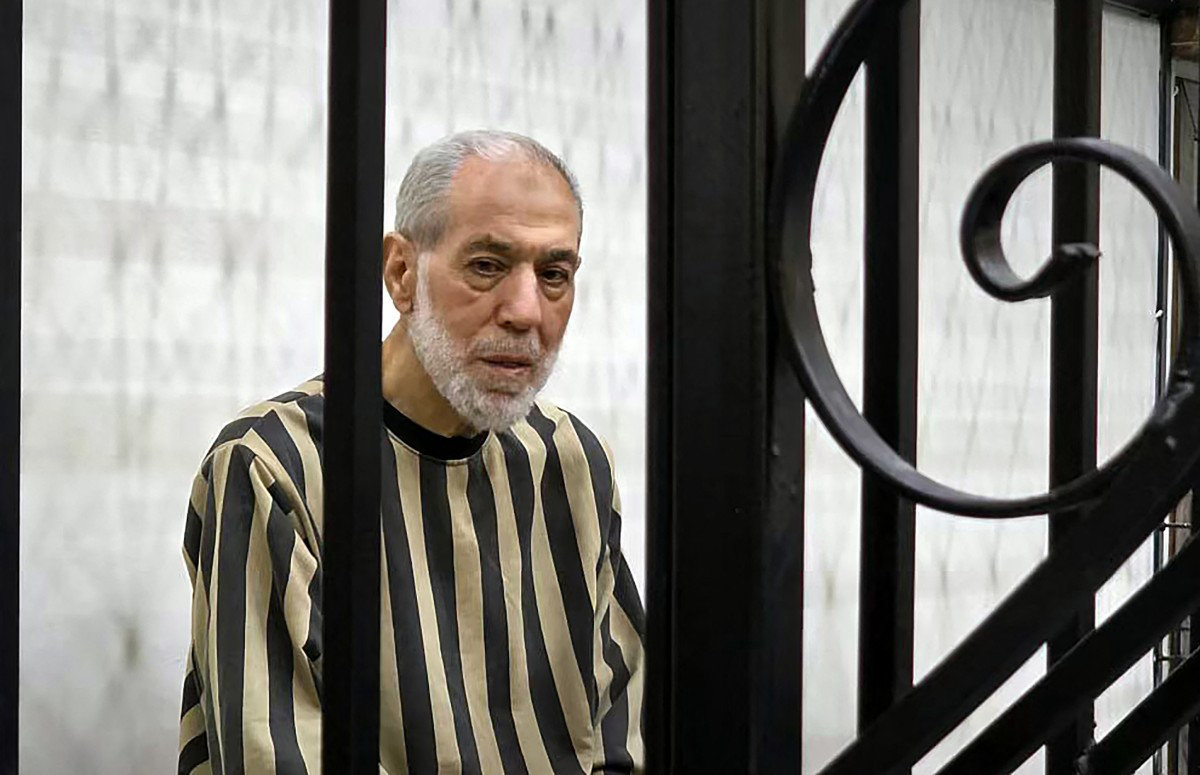
His conviction was the 10th sentence handed down against an Assad-era figure since Syria’s new authorities began legal proceedings against officials in April. It was also the first conviction of a religious figure in the cases launched against members and supporters of the former government.
The case has placed the role of religious officials during Syria’s civil war under renewed scrutiny, particularly the extent to which public figures who supported the Assad government could face legal consequences for their actions and statements.
Hassoun, a native of Aleppo whose father was also a prominent religious figure, entered Syrian politics decades before the uprising. He served as a member of parliament from 1990 and became grand mufti in 2005.
After protests against Assad began in Daraa in March 2011, Hassoun became one of the government’s most prominent religious defenders.
He repeatedly appeared in support of the authorities as the uprising developed into a nationwide conflict. Critics accused him of using his position to justify the government’s military campaign and of making statements that encouraged violence against opponents.
Opposition supporters referred to him as the “mufti of the barrels,” linking him to the government’s use of barrel bombs against opposition-held areas.
Prosecutors in his trial cited Hassoun’s relationships with Assad, former intelligence chief Ali Mamlouk and senior military and militia figures. They also presented speeches and lectures that prosecutors said amounted to incitement against civilians and encouragement of attacks on opposition-held areas.
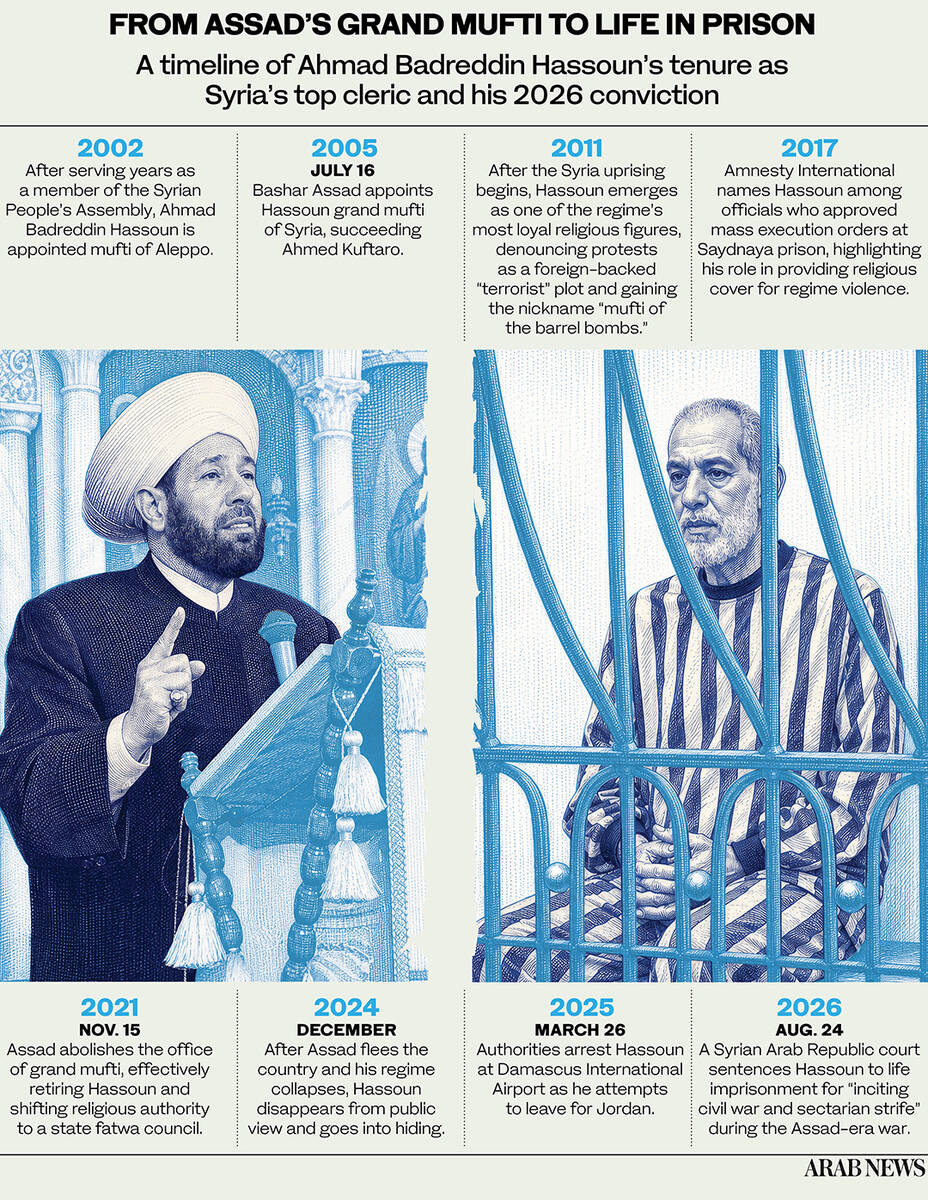
The charges against him included “inciting civil war and sectarian strife,” for which he received the life sentence. He was also convicted of “incitement to intentional homicide,” “principal complicity in intentional homicide” and “inciting sectarian and racial strife,” receiving additional prison terms ranging from three to 20 years.
Hassoun was arrested at Damascus airport on March 26, 2025, while attempting to leave the country. His trial began on June 25, 2026, and was conducted over three hearings before the court issued its verdict.
His prosecution is part of a wider effort by Syria’s new authorities to pursue figures associated with the Assad government.
Assad fled Syria in December 2024 as his government collapsed and is now living in exile in Russia. On Aug. 11, Syrian authorities sentenced Assad, his brother Maher, and five other former security officials, to death in absentia over atrocities committed during the civil war.
Two other members of the former ruling family, Atif Najib and Wassim Assad, have also received death sentences after being tried in person.
More than 500,000 people were killed and millions displaced during the Syrian civil war, while tens of thousands disappeared.
The scale of the abuses presents the new authorities with a broad legal and political challenge. Those potentially implicated in the former system include senior government officials, military commanders, security personnel, businessmen and public figures who supported or benefited from Assad’s rule.
Hassoun’s case extends that question to religious authority. As grand mufti, he occupied a prominent position within the state’s religious establishment and was closely associated with Assad during the conflict.
His conviction therefore puts particular focus on whether Syria’s transitional justice process will address not only direct perpetrators of violence but also officials and public figures accused of facilitating or encouraging abuses.
How that responsibility is defined is likely to become an important issue as further Assad-era cases proceed.
The government is simultaneously pursuing the removal of the international restrictions that accompanied Assad’s rule.
On Monday, Washington formally removed Syria from its list of state sponsors of terrorism, a designation that had imposed significant restrictions on the country’s economic and financial activity.
The US Treasury Department announced corresponding sanctions relief, while the State Department also revoked its designation of the Al-Nusra Front, later known as Hayat Tahrir Al-Sham, as a foreign terrorist organization.
President Ahmad Al-Sharaa, who previously led HTS before its transformation into Syria’s new governing authority, welcomed the decision in a speech on Tuesday.
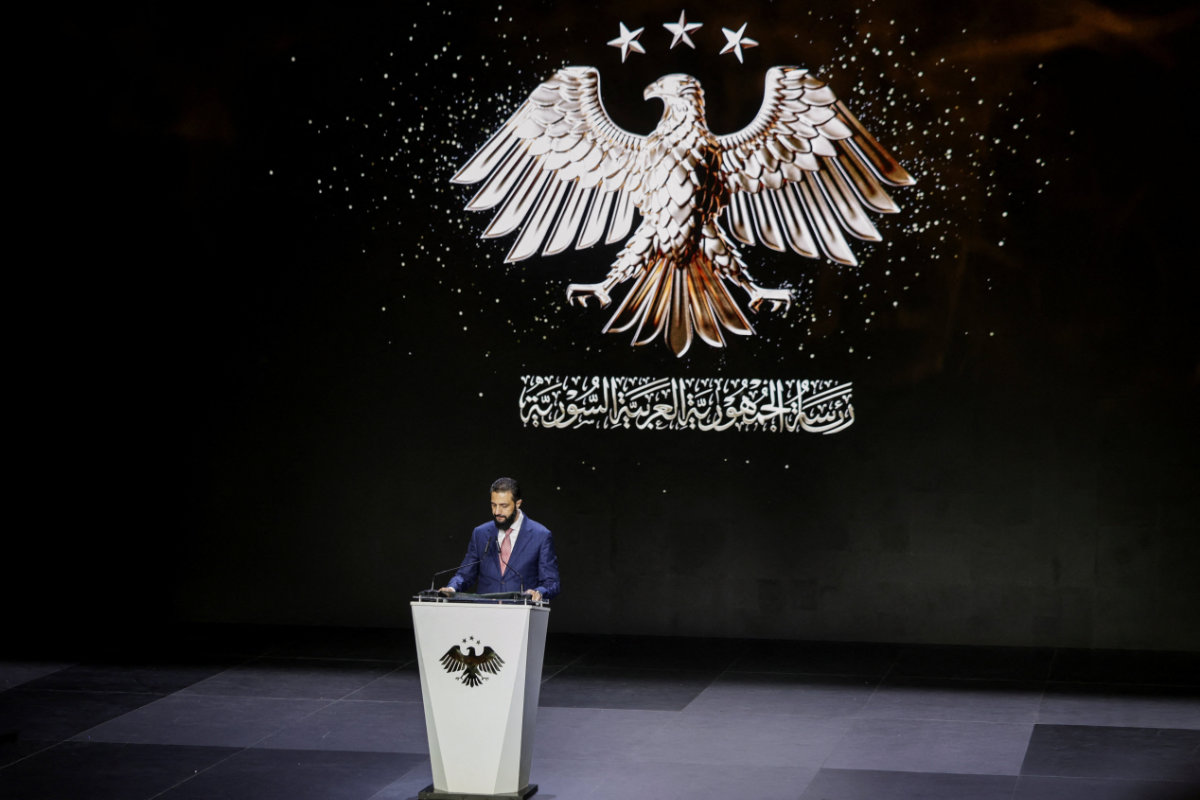
“Today, Syria shakes off a dark stain and tears away a painful chapter of its past to embark on a path of development, reconstruction and rebuilding,” Al-Sharaa said.
The US decision followed Washington’s announcement in July that it intended to remove Syria from the state sponsors of terrorism list.
US Secretary of State Marco Rubio described Monday’s action as opening a “path to prosperity” and said it removed major barriers to private-sector investment and Syria’s economic reintegration.
Syrian Foreign Minister Assad Al-Shaibani called the decision a “historic milestone,” while Finance Minister Mohammed Barnieh said it could help attract investment and technology and strengthen Syria’s links to the international financial system.
The changes come as the new authorities seek to rebuild a country whose infrastructure and economy were severely damaged by more than a decade of war.
Housing, electricity, transport, healthcare and industry all require substantial investment. Restoring public services and creating conditions for the return of displaced Syrians will require access to international finance, trade and development assistance.
The easing of US restrictions therefore has implications well beyond diplomacy. It could affect Syria’s ability to attract foreign investment and reconnect with international financial markets after years of isolation.
The simultaneous developments — a court prosecuting a prominent Assad-era figure and Washington easing restrictions on Syria — illustrate the different tracks along which the transition is unfolding.
At home, the new authorities are seeking to establish how responsibility for abuses committed during Assad’s rule will be addressed. Abroad, they are seeking diplomatic recognition, economic engagement and access to the resources needed for reconstruction.
For the interim government, the challenge is to translate sanctions relief and renewed international engagement into investment, reconstruction and improved living conditions.
For a country emerging from more than five decades of Assad family rule and 14 years of conflict, Hassoun’s conviction and Syria’s terror delisting will help determine how substantial the break with the past ultimately becomes.