- Shehbaz Sharif blames worsening security, failed negotiations for decision to impose emergency
- PM accuses PTI of disrupting economic activity, says advisory council will help restore stability
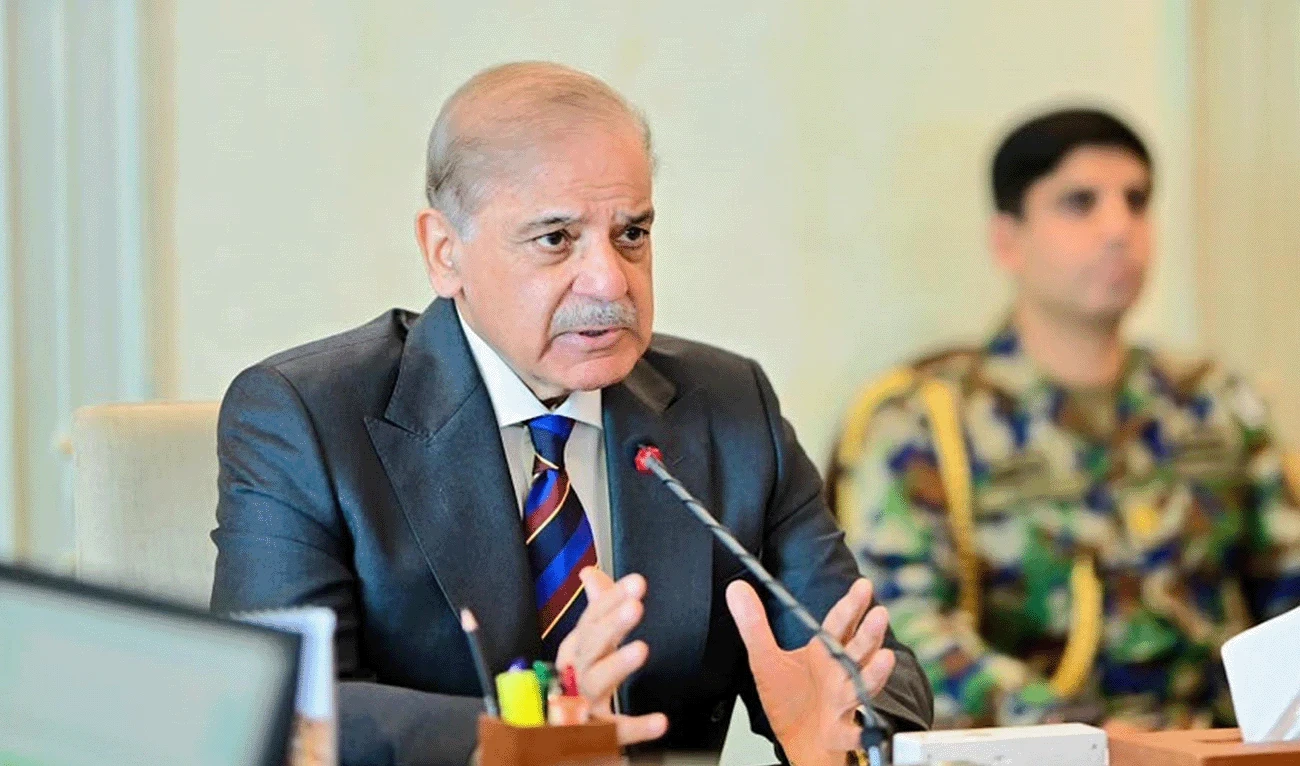
ISLAMABAD: Prime Minister Shehbaz Sharif on Saturday defended the imposition of emergency rule in the northwestern Khyber Pakhtunkhwa province, saying his government had been left with no alternative after repeated efforts to address worsening security conditions and resolve political tensions through negotiations failed.
The decision to place the province under emergency administration followed months of confrontation between the federal government and the opposition-led provincial administration of jailed former prime minister Imran Khan’s Pakistan Tehreek-e-Insaf (PTI) party.
The tensions centered on counterterrorism operations and the PTI’s planned march on the capital to demand the release of Khan, who has been in prison since August 2023.
Sharif said the government had sought cooperation from successive PTI-led administrations in the province to tackle militancy, but accused party officials of undermining negotiations aimed at averting further unrest.
“The emergency rule that has currently been imposed in Khyber Pakhtunkhwa was imposed under compulsion,” he said while addressing a gathering in Gujranwala, where he had traveled to offer condolences over the death of a political colleague.
“We had no choice but to make a decision in Pakistan’s best interest,” he added.
Sharif said he had held several meetings with successive chief ministers of Khyber Pakhtunkhwa over the past two and a half years, offering federal resources and administrative cooperation to address the province’s security challenges.
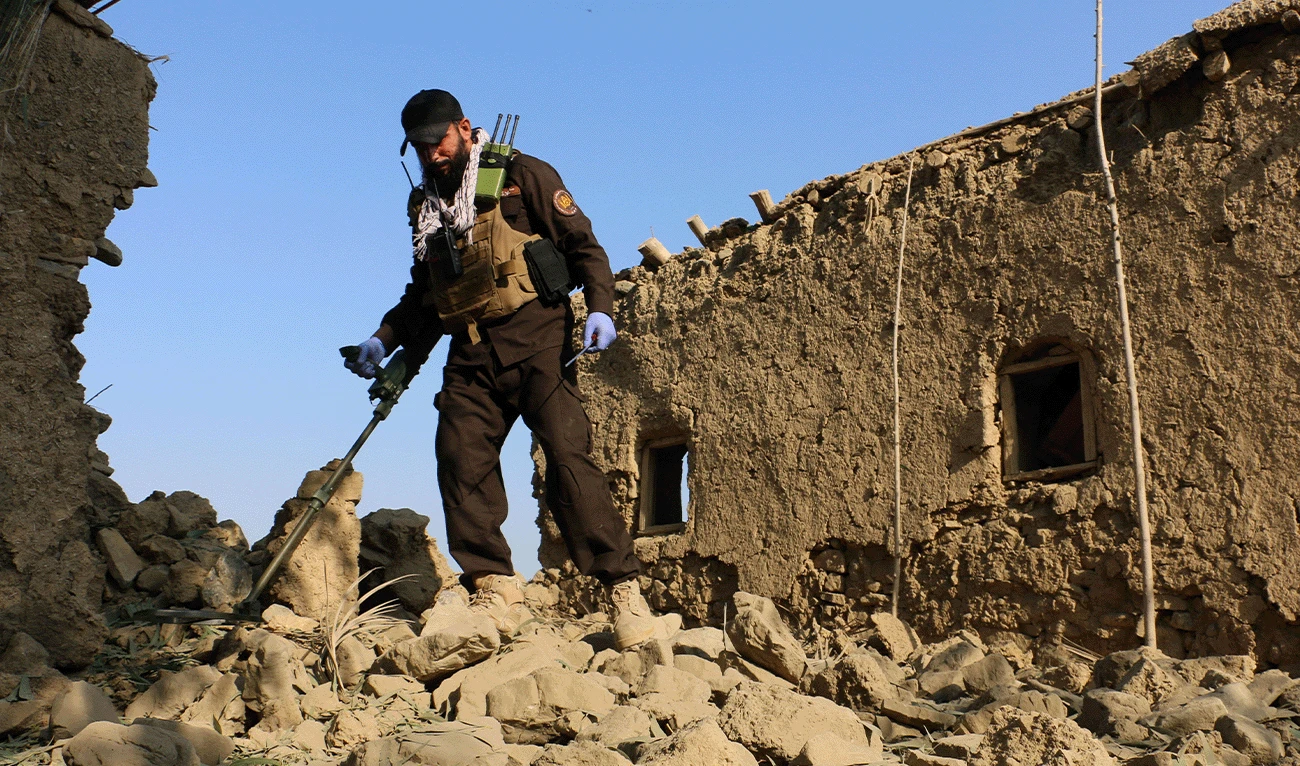
He said the province had faced a resurgence of militant violence, particularly from groups operating across the border in Afghanistan, resulting in the deaths of security personnel and civilians.
“I assured them that I would provide all possible resources, meet other necessary requirements and make the administrative decisions needed, in consultation with the province,” he said.
The prime minister accused the PTI of repeatedly organizing protests that disrupted economic activity and threatened national stability.
He said the government had recently established a negotiating committee that held talks with opposition representatives for 48 hours and reached an agreement under which they would withdraw plans for a protest march.
However, he said opposition negotiators subsequently reversed their position after seeking instructions from their leadership.
Sharif said the government could not remain a passive spectator while political instability threatened the country’s economic recovery.
Under the emergency measures, executive authority in Khyber Pakhtunkhwa has been transferred to Governor Faisal Karim Kundi, who is assisted by an 11-member advisory council.
The prime minister expressed confidence that the council, which he described as largely non-political, would help restore stability and effective administration in the province.
“The advisory council that has been formed is completely neutral, and an overwhelming majority of its members are non-political individuals,” he said.
Sharif said he would visit Khyber Pakhtunkhwa soon to hold meetings with officials and other stakeholders.