- Islamabad family fears father may miss son’s wedding after two flight bookings were canceled amid attacks
- With millions of Pakistanis working in the Kingdom, escalating violence threatens family reunions, raises fears over remittances
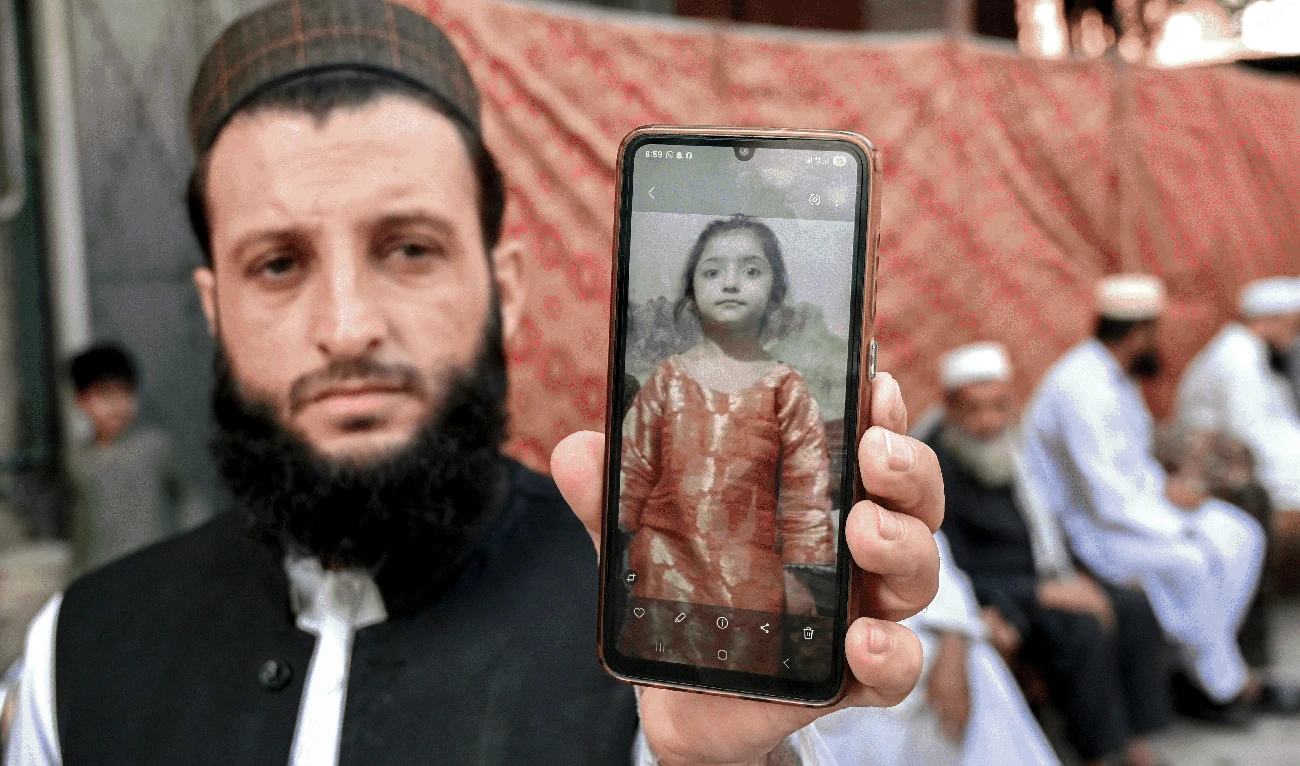
ISLAMABAD: For four decades, Gul Nawaz Abbasi has worked in Saudi Arabia, thousands of kilometers from his family in Pakistan. Now, with his son’s wedding approaching, he faces the possibility of missing one of the most important occasions in their lives.
Two travel bookings have already been canceled amid Houthi attacks on Saudi Arabia, leaving his relatives in Islamabad uncertain whether a father who has spent 40 years working abroad will make it home to see his son get married next week.
For the family, the disruption has brought the Middle East conflict painfully close to home, turning what should have been preparations for a wedding into anxious conversations about flight schedules and the safety of loved ones.
“Previously, we used to speak every two or three days. But recently, we have to inquire about their health and security every two to three hours,” his nephew, Waleed Javed Abbasi, told Arab News.
Gul Nawaz works as an architect and painter at a school in Riyadh, while another relative, Saqib Abbasi, lives in Abha, a city in southwestern Saudi Arabia. Both have become a source of concern as attacks on the Kingdom’s civilian infrastructure intensify.
“Recently, there is a wedding at our home, which is causing even more worry about whether he will be able to come or not,” Abbasi said.
The family’s experience reflects a broader anxiety across Pakistan, where millions of households have relatives working in Saudi Arabia and other Gulf states, often relying on their earnings to meet everyday expenses, pay for education and support extended families.
Saudi Arabia is home to more than 2.5 million Pakistanis and is one of the country’s largest sources of remittances. For many, the conflict threatens not only the safety of loved ones abroad but also the financial security of those who depend on them at home.
FEARS ACROSS THE BORDER
The concerns have deepened following a series of Houthi attacks on Saudi Arabia, including a strike on Riyadh’s King Khalid International Airport on Oct. 10 that killed at least 12 people and injured more than 300, according to Saudi authorities.
Another attack the following day killed a Pakistani resident and wounded 11 others, underscoring the risks faced by foreign nationals living and working in the Kingdom.
The violence comes amid the wider Middle East conflict, which has disrupted regional aviation, energy supplies and commercial activity, exposing migrant workers and their families to uncertainties far beyond their control.
In the northwestern Pakistani city of Peshawar, schoolteacher Kainaat Rehman said her brother, a project manager, and several cousins who run businesses in Saudi Arabia had lived there for 14 to 15 years.
Their long-established lives in the Kingdom have not insulated their relatives at home from fears about what a prolonged conflict might mean for their safety or income.
“Ever since the situation deteriorated, it has created a lot of problems, both for our family members and for us,” she told Arab News. “The family members who earn there, act as the breadwinners for their households and send money back home. The families relying on that financial support have been deeply disturbed by this.”
“We strongly condemn the attacks happening in Saudi Arabia. they should not take place and must be stopped immediately,” she added.
Similar concerns are being felt in Timergara, a town in Pakistan’s northwestern Khyber Pakhtunkhwa province, where freelance video editor Attaullah Sagar has four household members working in Saudi Arabia.
Among them are a daily-wage laborer, a pharmacy worker and a nephew employed by a contractor. Their occupations illustrate the range of jobs through which Pakistani migrants support families back home, from informal and lower-paid work to skilled employment.
For Sagar, geographical distance compounds the uncertainty, particularly when relatives have little ability to help if something goes wrong.
“First, they are our family members, so our emotions are attached to them,” Sagar said. “Second, they are our family’s financial supporters. Third, they are overseas meaning if they face even a minor difficulty, it hurts them there, and their families and children back home suffer just as much.”
LIVELIHOODS AND LONGSTANDING TIES
Saudi Arabia has for decades been a major destination for Pakistani workers, whose remittances provide an important source of foreign exchange for Pakistan and financial support for households across the country.
The two countries also maintain close economic, religious and defense ties, while millions of Pakistani pilgrims travel to the Kingdom for Hajj and Umrah.
Those longstanding connections mean that instability in Saudi Arabia carries consequences well beyond its borders, particularly for families whose livelihoods depend on relatives employed there.
But for the Pakistanis interviewed by Arab News, the immediate priority was not the wider diplomatic or economic relationship. It was the hope that their relatives could remain safe, continue working and eventually return home without disruption.
Abbasi said his family had always regarded Saudi Arabia as a place of relative peace and security, and hoped other countries would help restore stability.
“As far as Pakistan is concerned, Pakistan and Saudi Arabia have always had a defense agreement,” he said. “However, beyond that, other countries, Muslim countries, should support Saudi Arabia so it can navigate through this difficult time.”
Sagar, meanwhile, feared that continued fighting could threaten the businesses and services on which expatriate workers depend, creating hardship for families on both sides of the border.
“War should not happen,” he said. “It must stop, and everyone must play their role for peace.”