Social media are turning Saudis into “electronic potatoes” and contributing to unhealthy lifestyles which leave one in four at risk of suffering a heart attack over the next decade, experts said Friday.
Researchers calculated the 10-year risk of a heart attack for more than 4,900 urban Saudis with no history of heart disease, AFP said.
Most of them were aged 20-40 and more than half were women.
One-quarter of the subjects were diabetic, which had a major impact on risk, said the European Society of Cardiology, which is participating in the conference and issued a statement on the findings.
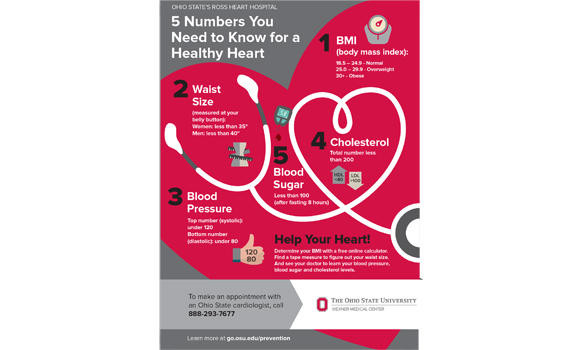
“Diabetes doesn’t occur in isolation. Diabetic individuals had a significantly increased prevalence of other risk factors such as obesity, hypertension, smoking and dyslipidemia,” or high cholesterol, said Muhammad Adil Soofi, lead author of the study and a cardiologist at Prince Salman Heart Center.
“As a result of the high level of risk factors, 26 percent of participants were at high risk of having a heart attack or dying from a heart attack in 10 years,” the statement said.
Soofi’s research was presented at the Saudi Heart Association’s (SHA’s) 26th annual conference, which runs until Monday.
In the statement, he said urbanization, lack of education and Westernization could be to blame for the unhealthy lifestyles of young Saudis.
“They eat more fast food and deep-fried items and on top of that do not exercise,” he said.
In Saudi Arabia and other Arab states of the Gulf, healthy lifestyles are rare, said Hani Najm, the SHA vice president.
“Young people’s addiction to smartphones and social media has turned them into electronic potatoes, today’s version of the couch potato...
“They have zero intention of being physically active,” Najm said, calling on governments to provide free indoor gyms and green spaces for exercise.
On Feb. 28, Riyadh is to hold its first publicly organized run, over a 5-km route, to promote a more active lifestyle.


1 in 4 Saudis at heart attack risk
1 in 4 Saudis at heart attack risk


‘Masterpieces of Saudi Orchestra’ shine at Maraya in AlUla
- The concert on its opening night presented a seamless artistic journey, where orchestral works met Saudi musical identity
- It underlined the Music Commission’s aim to present Saudi artistry at a high professional level
RIYADH: The “Masterpieces of Saudi Orchestra” concert opened at Maraya Concert Hall in AlUla on Thursday under the patronage of the Kingdom’s Minister of Culture and Chairman of the board of the Music Commission Prince Bader bin Abdullah.
Organized by the Music Commission, the concert on its opening night presented a seamless artistic journey, where orchestral works met Saudi musical identity.
The Saudi National Orchestra and Choir, conducted by Maestro Hani Farhat, led audiences through carefully curated pieces reflecting heritage and modern creativity.
The repertoire combined traditional influences with orchestral scoring, offering listeners heritage-based compositions alongside recent arrangements.
Regional rhythms and layered musical textures were used to echo the Kingdom’s history, while pieces rooted in Saudi classical music tradition connected audiences with familiar cultural references in a fresh format.
The concert underlined the Music Commission’s aim to present Saudi artistry at a high professional level.
The series seeks to honor national heritage while encouraging contemporary artistic engagement, and its growing local and international presence was highlighted throughout the evening.
The program also featured a visual dimension led by the Theater and Performing Arts Commission, which staged live performances of Saudi folk arts.
Audiences saw presentations of Samri, Dahha, Rafeihi, Yanbawi, Zair and Khabeeti, synchronized with the orchestra to create one integrated artistic experience.
These folk elements were arranged to complement the orchestral sound, reinforcing the richness and variety of Saudi cultural identity. The combination of music and movement aimed to show how traditional forms can engage with large-scale concert settings while retaining their historical character and community roots.
This performance is an extension of the series of successes achieved by the Saudi Orchestra’s masterpieces both locally and internationally, and reaffirms the Music Commission’s commitment to showcasing Saudi music in its finest form.


