- Royal College of Nursing faced pressure from Palestinian rights groups over Teva UK links
- Pharmaceuticals giant has paid about $1.3b in fines over bribery, price-fixing, market abuse charges
The UK’s nursing union has axed ties with an Israeli pharmaceuticals firm over its links to the Israel Defense Forces and record of corporate misconduct, The Guardian reported on Friday.
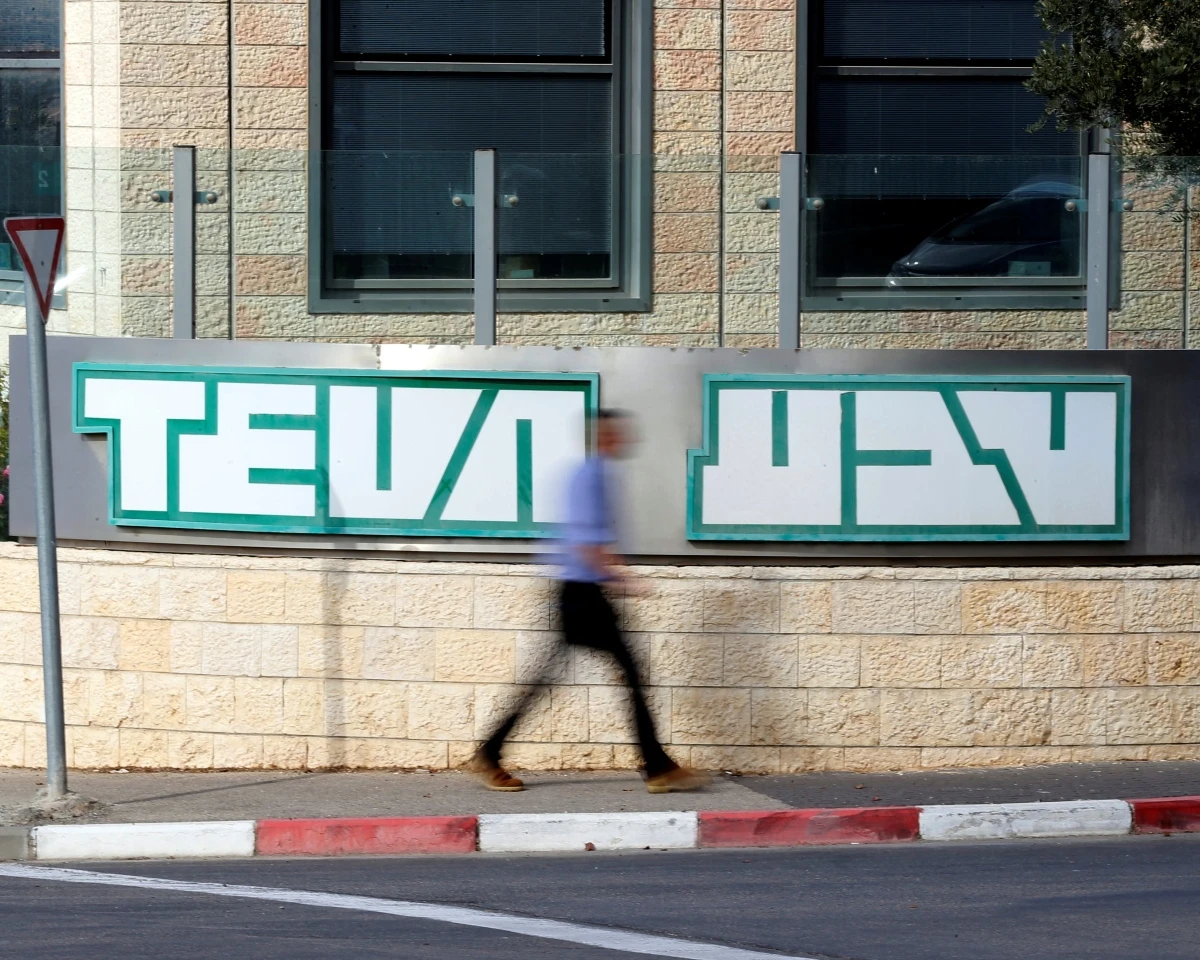
Teva UK, the British arm of drug giant Teva Pharmaceuticals, was cut as a commercial partner by the Royal College of Nursing and will no longer serve as a sponsor of an upcoming event on migraine and headaches at the RCN’s headquarters in London.
Palestinian rights groups had pushed for the union to end its ties with Teva UK. In a statement, they described the decision as a “major breakthrough for grassroots healthcare organising and the international boycott, divestment and sanctions movement,” which aims to isolate Israel internationally.
More than 500,000 nurses in the UK are represented by the RCN. Teva Pharmaceuticals, through its British arm, is one of the biggest suppliers of medicines to the UK’s National Health Service.
The RCN, in cutting ties to Teva UK, acted on pressure from campaign groups Nurses for Palestine and UK Healthcare Petitions to Royal Colleges.
The chair of the union’s ruling council, Carmel O’Boyle, confirmed the decision in a letter to Nurses for Palestine.
“Going forward (the) RCN is ending its commercial partnership with Teva UK. Teva UK will no longer be a sponsor of the RCNi nursing leadership summit: migraine and headache services event on Oct. 30. The event will go ahead as planned,” the letter said.
“We are taking this action because further due diligence showed that there are a number of Teva Pharmaceuticals’ operations, which have been the subject of legal sanction and public scrutiny, which are not in line with RCNi (the union’s publishing and education arm) and RCN values.
“We know how important it is that the RCN only enters commercial relationships with companies that represent the values of the nursing profession.”
Over the past decade, Teva has been ordered to pay about $1.3 billion in fines and other payments to US authorities and the European Commission for bribery, price-fixing and market abuse.
In 2024, the latter fined the firm €462.6 million ($520 million) for blocking rival drug companies from competing with its treatment for multiple sclerosis, Copaxone, across seven EU countries for between four and nine years.
A year earlier, it reached an agreement with the US Justice Department to pay $225 million in fines as an alternative to prosecution after being charged with fixing the price of three drugs.
Teva also agreed to pay $519 million to resolve civil and criminal charges concerning bribery of government officials in Russia, Ukraine and Mexico, reaching a deal in 2016 with the US Securities and Exchange Commission as well as the Justice Department.
Welcoming the RCN’s decision, a Nurses for Palestine spokesperson said: “Teva has no place sponsoring professional bodies dedicated to healing, care and preserving human life.”
UKHPRC said in a statement: “It is unthinkable that in this day and age healthcare organisations continue to enter into commercial relationships with companies linked to sustaining state systems accused or found by international bodies to involve grave violations of international law, including crimes against humanity, apartheid and genocide.”
Palestinian rights campaigners are now calling on the Royal College of Pharmacy, the UK’s top pharmaceutical body, to end its sponsorship deal with Teva UK for its annual conference next month and cancel the company’s presence at the event.