- Investigators recovered phone, methanol and other chemicals after tracing suspect to Bahawalpur
- NCCIA is also searching for 17-year-old in Karachi after separate FBI alert over alleged killing plan
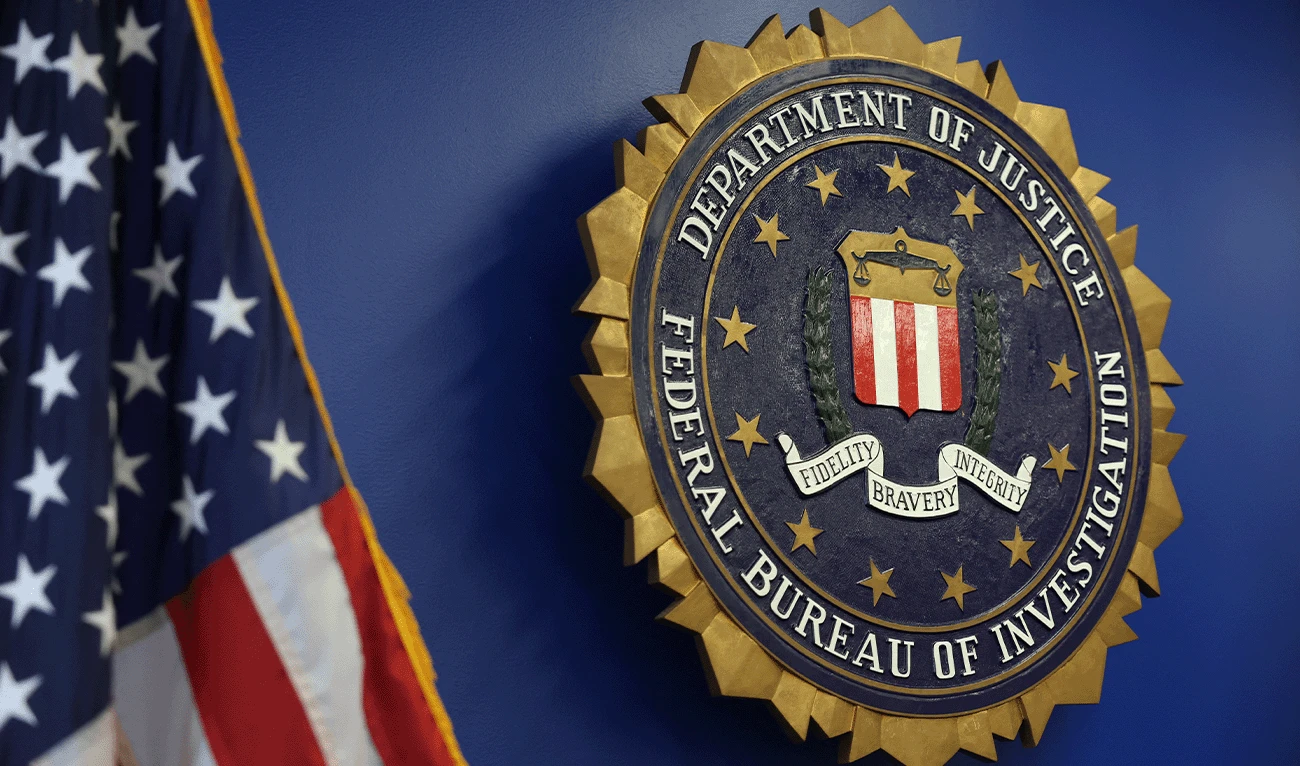
ISLAMABAD: Pakistan said on Thursday an alert from the US Federal Bureau of Investigation (FBI) had helped authorities uncover an alleged poisoning plot involving a 17-year-old who investigators say used the Claude artificial intelligence platform to research lethal substances and twice tried to poison his father.
The case highlights how potentially dangerous activity detected on global AI platforms can trigger cross-border law enforcement action, with information originating in the United States leading Pakistani investigators to a home in the southern Punjab city of Bahawalpur.
The case emerged after Pakistan’s Ministry of Foreign Affairs forwarded to the National Cyber Crime Investigation Agency (NCCIA) in Lahore a “Threat to Life” notification originally flagged by the FBI, according to a first information report (FIR) registered by the agency on Sept. 23 and seen by Arab News.
Responding to a question about FBI cooperation with Pakistan on AI-based crime, Foreign Office spokesman Sajjad Haider Khan said Islamabad valued information sharing with international partners.
“Useful sharing of information has helped the authorities stop a crime from being committed. Pakistan appreciates its collaborations with the international community in all fields including cybersecurity,” he told Arab News.
According to the FIR, the notification concerned an active Claude.ai user who had conducted “highly concerning, multi-session research regarding the lethality, timing, and optimization of lethal substances.”
The FIR alleges that the suspect had attempted to poison his father using laboratory-grade methanol and later planned another attempt using abrin derived from crushed rosary peas.
The FIR reproduces several messages allegedly exchanged by the user. In one message, the user reportedly wrote: “My dad accidentally intaked about 15-20ml of methanol mixed with his food but nothing happened to him, 4-5 days have past.”
Another message allegedly read: “What if a son can save his father from dying but he on purpose choose not to... He warned him slightly but he didn’t listen.”
The FIR also quotes the user as saying: “I blended/crushed rosary peas with water, & spilled more of its dark-red water on the ground” and asking: “Is latent period of abrin ingestion more than 12 hours. What about if this latent period is during night?”
Following the alert, the FIR says NCCIA investigators conducted digital tracing and used the NADRA Online system to identify the suspected user. Investigators subsequently obtained a search and seizure warrant and traced the suspect to a residence in DHA Bahawalpur.
According to the FIR, the raiding team recovered an iPhone 15 Pro Max along with chemicals including methanol, ethylene glycol, hydrochloric acid, potassium hydroxide and sodium hydroxide. The FIR says the Claude AI application was installed on the phone and the associated email account was active.
The FIR says the suspect denied the allegations during interrogation, but investigators alleged that the recovered material and chat records indicated an attempt to prepare poison and threaten the victim’s life.
It states: “Prima facie, the accused person committed offenses u/s 15 of PECA-2016 R/w 324-PPC.”
The case was registered under Section 15 of the Prevention of Electronic Crimes Act (PECA), 2016, which covers making, obtaining or supplying a device for use in an electronic offense, and Section 324 of the Pakistan Penal Code (PPC), which covers attempted intentional killing.
An NCCIA official, speaking to Arab News on condition of anonymity, said the accused was a 17-year-old student and would face trial, though his father was inclined to forgive him.
“This is a compoundable offense in which the victim and the accused can settle the matter privately and drop the charges,” he said. “So, the father is inclined to forgive his child.”
The official said the accused was inspired by “Breaking Bad,” the American crime drama series, and started experimenting with lethal chemicals while allegedly twice attempting to poison his father.
He said the FBI alert was crucial in the case, but NCCIA had to carry out extensive tracing to identify the accused because the international alert suggested he might be located in Faisalabad.
“We have to go through IP addresses and NADRA systems to find out the exact location of the accused,” he said.
The case also highlights a broader mechanism of cooperation between Pakistani and foreign law enforcement agencies in responding to potential threats identified through online platforms.
“Although this case came through the Foreign Office, we also have active collaboration with FBI on agency level,” the official said.
Separately, an NCCIA official in Karachi said authorities were searching for another 17-year-old following an FBI alert over an alleged plan to kill someone, though no case had been registered because investigators had identified neither a potential victim nor evidence that the teenager had obtained a weapon.
“The minor wanted to kill someone who had insulted his father, but it is not known who that person was. It was at a very initial stage. There was no identified victim or target, and he had not acquired any weapon or anything else to carry out the attack. Therefore, the case has not been registered, but the investigation is ongoing,” the official, who spoke on condition of anonymity, said.
The official said the alert mechanism in that case was similar to the Bahawalpur investigation, with the Claude platform flagging the activity to US authorities, who subsequently alerted Pakistani investigators.
“Since Claude is an American service, the matter was referred to the FBI, which subsequently alerted the NCCIA as the relevant agency in Pakistan,” he said.
“There are arrangements for cooperation between law enforcement agencies in different countries. When one agency is alerted, it informs the relevant agency in the country where the alleged crime is taking place. There have been instances in which Pakistan has shared intelligence with another country when the matter was relevant to that country,” he added.