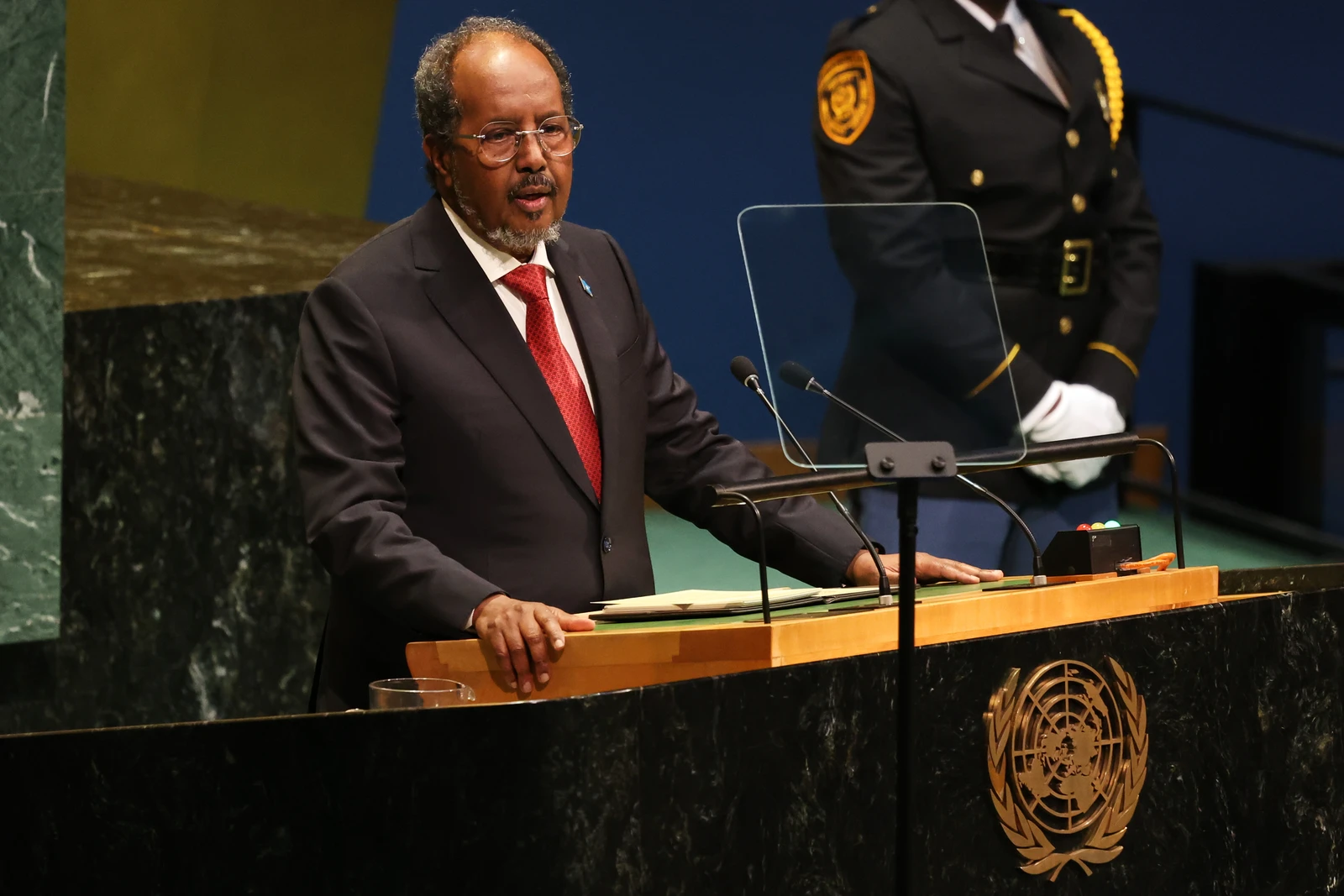
- Hassan Sheikh Mohamud’s term ended in May, but his government declared a ‘transition period’ that gave him an extra year in office to prepare for the first nationwide democratic elections
- Mohamud has argued this was legal under amendments to the constitution passed by parliament in March, but that vote was boycotted by opposition parties and regional leaders
MOGADISHU: Somalia’s Supreme Court ruled on Thursday that the extension of the president’s term by one year, which sparked violent clashes with the opposition, was “unlawful.”
President Hassan Sheikh Mohamud’s term ended in May, but his government declared a “transition period” that gave him an extra year in office to prepare for the first nationwide democratic elections, which are due in April and May 2027.
Mohamud has argued this was legal under amendments to the constitution passed by parliament in March, but that vote was boycotted by opposition parties and regional leaders.
On Thursday, the Supreme Court ruled that the amendments did not apply to his current term, and that he should have left office in May.
Mohamud announced late Wednesday that he was dismissing the chief justice, Bashe Yusuf Ahmed, and appointing a replacement.
There were unconfirmed reports that Ahmed was under arrest on Thursday.
The presidency’s statement, posted on Facebook, did not reference the imminent decision on the constitution, saying only that the dismissal was due to “concerns... about the need for an efficient and fair judiciary.”
The court rejected the dismissal in a separate statement, saying the move was designed “to obstruct the administration of justice in the constitutional case filed before the Supreme Court.”
“The dismissal announced in the statement published on the Presidency’s Facebook page is null and void,” it added.