- Protests intensified following violent attacks on demonstrators, prompting student-led blockades of universities across the country
- As the protests continued, Vucic announced snap elections, dissolving parliament on Sept. 9
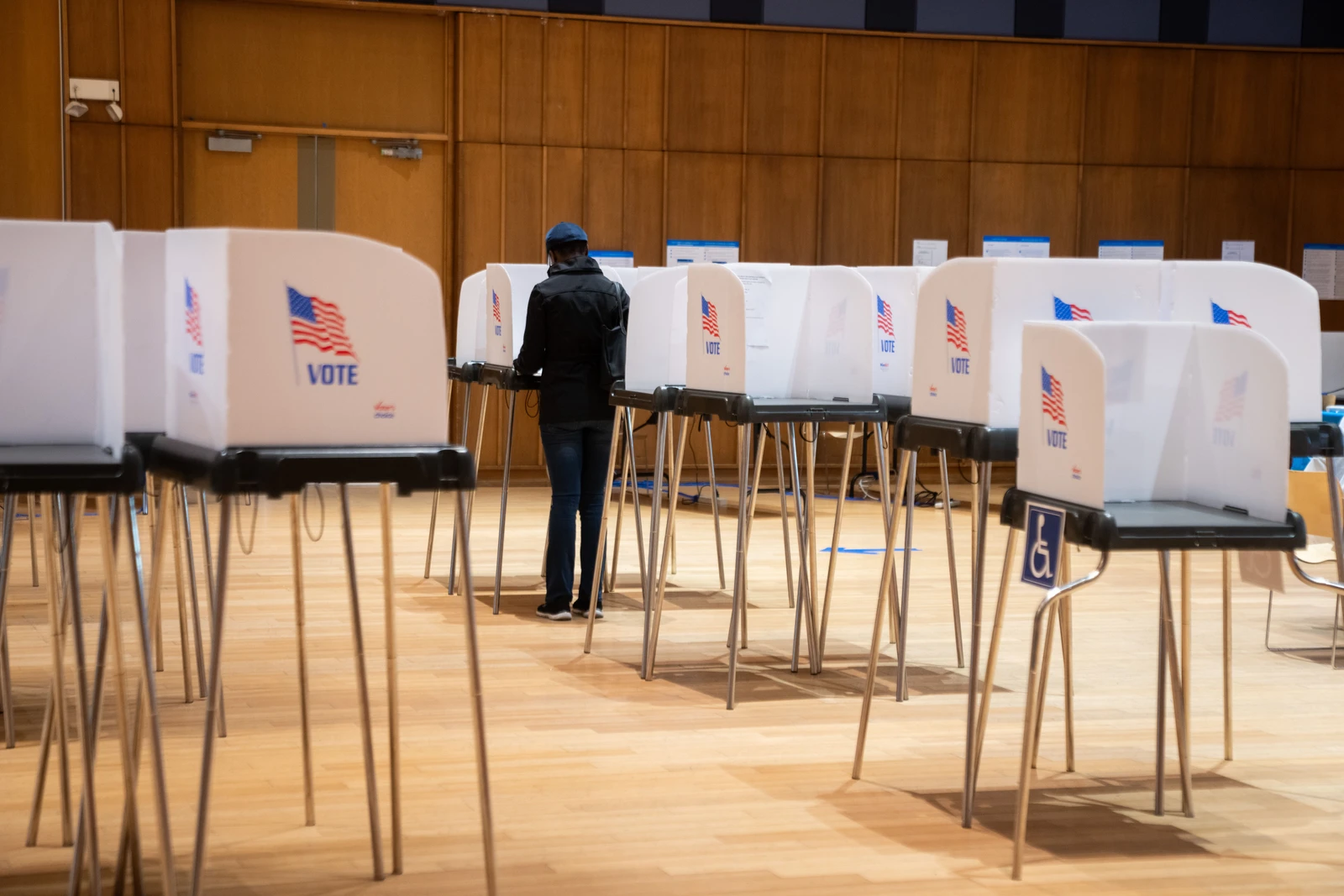
BELGRADE: As Serbia heads to the polls Sunday, one memory looms large: the collapse of the canopy at a recently renovated railway station two years ago, which killed 16 people and launched a massive protest movement.
The tragedy in the country's second city, Novi Sad, has led to the biggest challenge yet to longtime leader Aleksandar Vucic, who has stepped down as president and is seeking a return as prime minister.
Ahead of the snap poll, here are the key moments that shaped Serbia's anti-corruption demonstrations into an electoral force.
- 'Corruption kills'-
On November 1, 2024, the concrete awning at the entrance of Novi Sad's train station collapses just before midday. Fourteen people are killed instantly; two others die in hospital.
The tragedy triggers an outpouring of grief and questions about the station's multi-million-euro refurbishment.
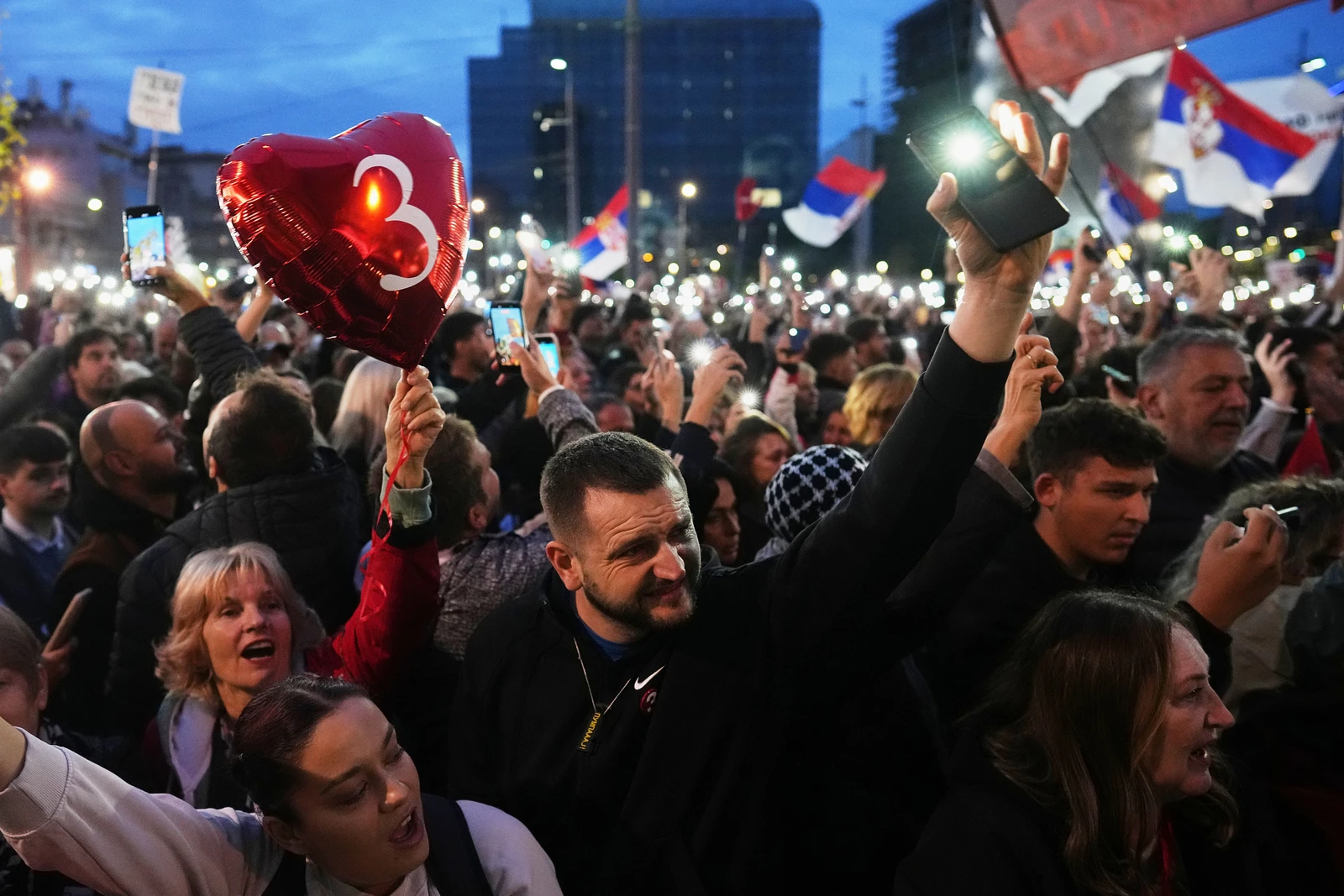
Two days later, thousands of demonstrators gather in Belgrade.
Holding signs emblazoned with a bloodied handprint, which becomes the movement's symbol, their placards read "corruption kills".
Construction minister Goran Vesic resigns, but protesters demand broader accountability and the release of renovation documents.
In late November, an attack on a silent vigil, reportedly by local members of Vucic's Serbian Progressive Party (SNS), prompts a student blockade at Belgrade University.
The blockade galvanises the protest movement. By year's end, students block nearly all universities and lead nationwide rallies.
- Government collapse -
Vucic pledges transparency, but protests grow.
As students continue their daily roadblocks, reports of attacks on protesters increase.
In one of the worst cases, SNS-linked men allegedly beat student protesters with baseball bats, resulting in one woman being hospitalised.
Prime Minister Milos Vucevic resigns in January 2025; Vucic quickly names a reshuffled cabinet and a new prime minister.
As protests continue, Vucic's supporters begin setting up an encampment outside the presidency building.
White tents, ringed by police and barricades, soon spread across a park and block a major road near the parliament building in Belgrade, where they will remain for months.
- Rallies build -
On March 15, 2025, around 300,000 people rally in Belgrade, one of Serbia's largest protests in decades.
A mysterious noise sends demonstrators fleeing, sparking allegations that police deployed a "sound cannon", which authorities deny.
By May, students' demands expand to include snap elections.
Vucic decries demonstrators as foreign-funded coup plotters, as he increasingly mobilises counter-rallies.
Protests escalate into violence when a group of masked men confront student demonstrators, launching fireworks and hurling projectiles, sparking a series of clashes between the groups and police.
SNS offices in several cities are damaged, and police respond with force, arresting dozens and drawing allegations of brutality from demonstrators.
- Tragic anniversary -
Tens of thousands mark the tragedy's first anniversary in Novi Sad.
A month later, the student-backed election list collects nearly 400,000 signatures, as the movement readies for a potential snap vote.
On September 9, 2026, after months of promising early elections, Vucic dissolves parliament and sets the vote for October 25.
Five days later, the student movement submits its electoral list, formally entering the race against the SNS.
On September 27, Vucic -- who has spent more than 14 years in power as either president, deputy prime minister or prime minister -- resigns from the presidency.
Elected in 2017 and re-elected in 2022, he ends his second term early to lead his party's election campaign.