- Policy proposes $17.7 billion in savings from local manufacturing, $6.9 billion from EV adoption in five years
- Pakistan to send proposed auto policy draft to the International Monetary Fund “in a few days,” says official
KARACHI: Pakistan’s proposed auto policy expects to generate around $25 billion in savings and other benefits over the next five years, as per a copy of the draft seen by Arab News, amid Islamabad’s efforts to boost local manufacturing, slash vehicle imports and save valuable foreign exchange.
The proposed Automotive and Auto Parts Manufacturing Policy 2026–2031 eyes increasing Pakistan’s auto exports to $6 billion over the next five years. Pakistan’s auto sector currently exports around $190 million to $200 million a year. Pakistan has progressively liberalized commercial imports of used vehicles since last year while beginning to dismantle tariff protections across the wider auto industry, part of broader trade reforms under its National Tariff Policy and $7 billion International Monetary Fund program.
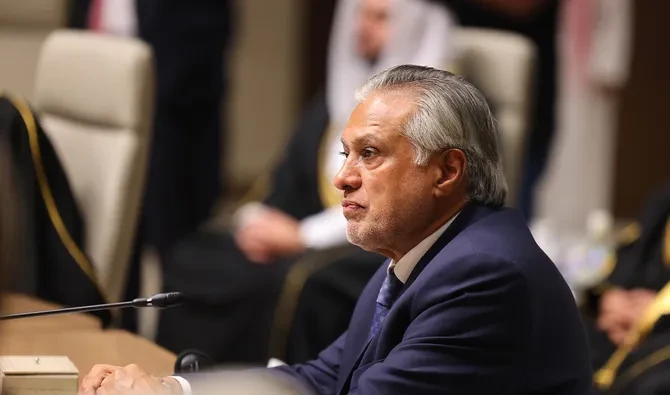
Islamabad will send the auto policy to the IMF for review in “a few days,” Engineering Development Board Chief Executive Officer Hamad Ali Mansoor said, adding that Prime Minister Shehbaz Sharif has approved the draft.
Arab News saw a copy of the draft policy, which aims to boost local manufacturing, slash imports of CBUs and conserve foreign exchange. The policy estimates that local manufacturing will help save $17.7 billion in the next five years, while adopting electric vehicles will further save $6.9 billion.
“The overall value addition will result in saving of around $17.7 billion in the next five years as against import of equivalent automobiles in CBU condition,” a draft of the policy reads.
Pakistan is pushing to transform its transport sector through the New Energy Vehicle Policy (NEVP) 2025–2030, targeting a 30 percent share of electric vehicles in new vehicle sales by 2030.
“Attaining the NEV (New Energy Vehicles) adoption target of 30 percent sales of new vehicles would lead to additional benefits including $6.9 billion savings in fuel import, use of surplus power, carbon credits and health benefits,” the policy said.
Cash-strapped Pakistan spent $17 billion on petroleum imports last fiscal year, 70 percent of which was consumed by petrol-powered vehicles that Mansoor said were losing ground to electric vehicles.
IMF’s resident representative in Pakistan, Mahir Binci, did not respond to Arab News’ queries on whether the Fund had received the draft and if it has reservations on certain points.
The international lender is expected to raise objections over the draft policy, which proposes sales tax rates of 1 percent for battery electric vehicles, 6 percent for range-extended EVs and 9 percent for plug-in hybrids. It also proposes lower import tariffs on EVs priced below $15,000 for two years and reduced duties on EV parts to encourage adoption.
BYD EXPANSION
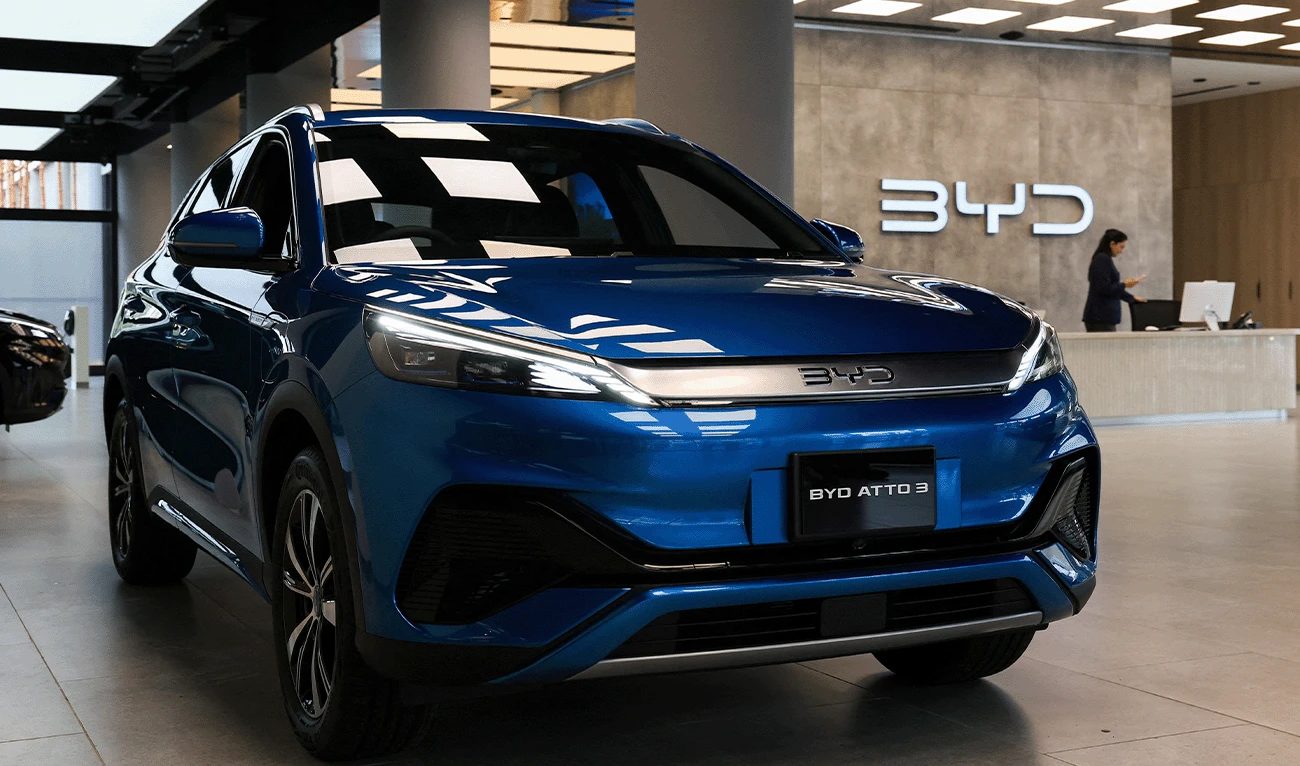
Meanwhile China’s BYD, a multinational manufacturing conglomerate, is preparing to launch an assembly plant in Sindh’s Gharo to target Pakistan’s population. BYD has partnered with independent power producer, Hub Power Holdings Limited, to introduce electric and hybrid vehicles, and charging infrastructure in Pakistan.
However, the BYD has called for support for NEV adoption.
“The proposed policy, while still needing approvals from the cabinet and support from IMF, provides support to NEV adoption,” Danish Khaliq, vice president at BYD Pakistan’s sales and strategy, told Arab News.
The BYD’s assembly plant will commission by the end of this year, Khaliq said.
“In the first phase we will have a capacity of 25,000 vehicles per annum,” he said, adding that BYD aims to double its annual production capacity to 50,000 vehicles in the next phase.
“While the export targets and promotion of local manufacturing is appreciated, the government should support in securing favorable FTAs (Free Trade Agreements) to help become competitive at the global stage and promote exports from Pakistan,” he added.