- Candidates who received AIPAC and UDP election donations are expected to support Israel’s government policies
CHICAGO: In a move reflecting significant backlash against the growing involvement of pro-Israel political action campaign money, the leading pro-Israel lobbying organization in the US, AIPAC, has reversed its 2021 policy of publicly identifying candidates who receive their money.
In election cycles over the past two years, dozens of candidates who received millions in campaign donations from AIPAC and its affiliated United Democracy Project PAC were defeated by rivals who criticized AIPAC and Israeli policies.
Candidates who received AIPAC and UDP election donations are expected to support Israel’s government policies, especially in contests where rivals have openly criticized these.
AIPAC, described by the Washington Post as “one of the most influential forces in U.S. politics,” stated that “official endorsements of candidates, direct contributions from the political action committee (PAC), and the earmarking of donations for specific candidates will no longer be part of our approach.”
In past years, AIPAC donations, which amount to hundreds of millions of dollars, have helped ensure the election of its recipients.
But shocked by images of Israel’s response to the Oct. 7, 2023 terrorist attacks that killed 1,200 Israelis, in which Israel’s government has killed nearly 100,000 Palestinians in Gaza and destroyed nearly all of Gaza’s civilian homes, schools, hospitals, government buildings, mosques and churches, American voters have reacted negatively against candidates receiving pro-Israel PAC donations.
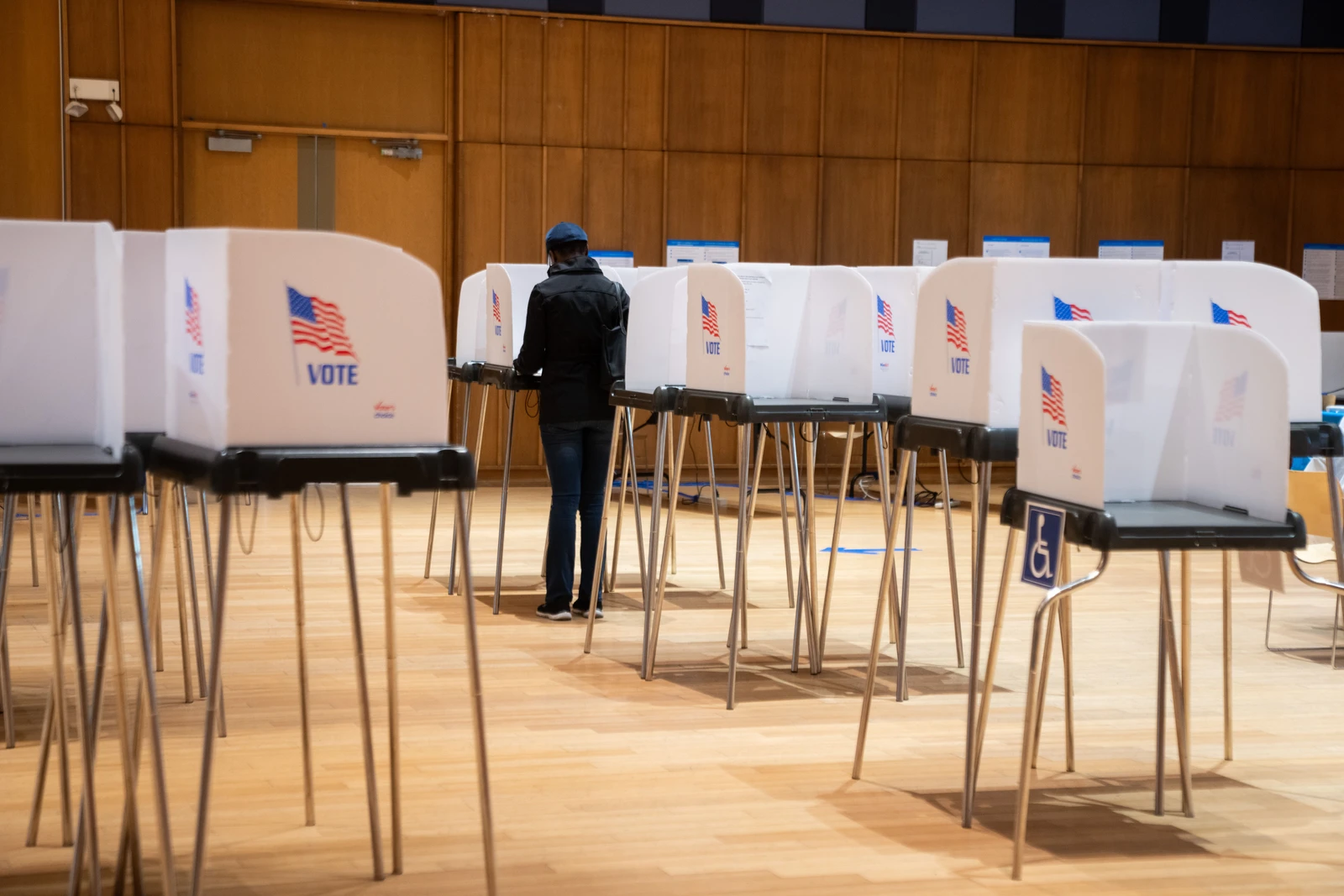
The anger has led to several candidates who received substantial pro-Israel AIPAC donations losing in elections across the country between October 2024 and the 2026 Democratic congressional primaries.
In Michigan, Haley Stevens lost in the August 2026 Democratic US Senate primary to Abdul El-Sayed.
In Illinois, Laura Fine finished third in the March 2026 Democratic primary for Illinois’ 9th Congressional District despite receiving more than $5.8 million in spending from AIPAC-affiliated PACs.
In Illinois, Melissa Conyers-Ervin lost the March 2026 Democratic primary for Illinois’ 7th Congressional District to La Shawn Ford despite receiving more than $5 million in donations from UDP.
In California, Melissa Hernandez, who received millions from AIPAC-affiliated funds, lost the August 2026 special election for the California State Senate District 14.
In Illinois, Raja Krishnamoorthi, who ran with a campaign fund of more than $13 million, received about $323,500 in AIPAC funding, costing him the election to Juliana Stratton in the Democratic Primary race to succeed retiring US Sen. Dick Durbin.
In New Jersey, Tahesa Way, who received millions in funds from pro-Israel groups like AIPAC, lost the 11th Congressional Democratic Primary contest in February 2026 to AIPAC critic Analilia Mejia.
And, in Texas, John Cornyn lost the Republican primary runoff for the US Senate after his receipt of AIPAC donations became a major controversy in the race.
During an interview with Arab News on the US Arab Radio Network, Jeremy Ben-Ami, J Street founder and president, noted that the change resulted from a political backlash against AIPAC and UDP fund recipients in many of the recent elections.
“This week, AIPAC did announce that after this election cycle, it will no longer publicly and formally endorse candidates for federal office, which it started to do in 2021 for the first time. It had never done it before. It had always done things sort of behind a curtain, and, you know, its supporters knew with a wink and a nod who to support,” Ben-Ami said, noting the names were published on AIPAC’s website.
“They are now not going to do that anymore. They will go back to how they were operating before. But I will add that they also created, in 2022, a super PAC called the United Democracy Project, which (voters) in Michigan are undoubtedly well familiar with because it just spent $34 million trying to defeat Abdul El-Sayed and elect Haley Stevens. That didn’t work.”
Ben-Ami added, “They’re now funneling millions again into Mike Rogers’ campaign through other super PACs. They are doing it all after the final filing deadline for the Federal Election Commission for this election. So, we won’t know until after election day exactly how much money and exactly how they got it.
“Historically, AIPAC sustained an aura of invincibility that ensured it won most battles by walkover — if you are perceived as invincible, the other side doesn’t even bother to fight you,” the political analyst Trita Parsi wrote on X. “Rather than invincibility, AIPAC’s name now carries such toxicity that the group doesn’t want its own name on its political donations.”
Political writer Max Blumenthal wrote, “AIPAC has become such a political liability that it’s shifting to a more “nimble” (read: secretive) approach to buying politicians for Israel. Instead of high-profile endorsements and PAC donations, it will quietly mobilize individual donors for direct contributions.”