NAIROBI/GARISSA: Kenya’s religions unite in national mourning for massacre victims.
Kenyans prayed for unity Sunday at the start of three days of national mourning for the 148 people murdered in a university massacre by Somali militants.
Flags flew at half mast after President Uhuru Kenyatta warned that people’s “justified anger” should not lead to “the victimization of anyone, (as) this would only play into the hands of the terrorists.”
Militants lined up students during the massacre Thursday described by Kenyatta as a “barbaric medieval slaughter.”
The president vowed Saturday to retaliate in the “severest way” for the killings in the northeastern town of Garissa, close to the border with Somalia.
The massacre, Kenya’s deadliest attack since the 1998 bombing of the US Embassy in Nairobi, claimed the lives of 142 students, three police officers and three soldiers.
“The terrible events in Garissa are still fresh in our minds and heart, but today is a day for new hope,” Kenyan Anglican Archbishop Eliud Wabukala told a packed cathedral in Nairobi, as armed soldiers patrolled outside.
“These terrorists want to cause scare and divisions in our society, but we shall tell them, you will never prevail.”
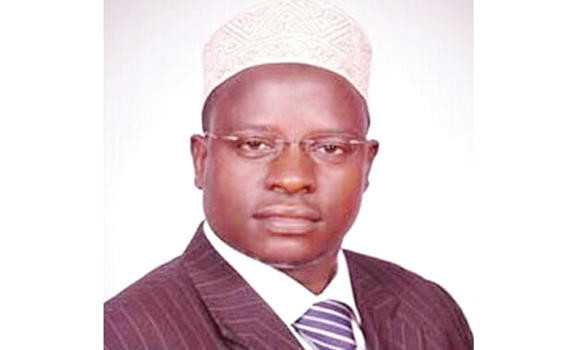
Top Muslim leader Hassan Ole Naado also offered his condolences: “Kenya is at war, and we must all stand together.” The deputy head of the Supreme Council of Kenya Muslims said the organization was helping to raise money for the funerals of those killed and medical costs of the scores wounded.
Sunday’s ceremony was laden with emotion for the several hundred members of Garissa’s Christian minority, which is fearful following the attack by Shabab, a Somalia-based militant group. The gunmen who attacked Garissa University College on Thursday singled out Christians for killing, though Shabab has a long record of killing Muslims over the years.
“Thank you for coming, so many of you,” Bishop Joseph Alessandro said to the congregation. He said some of those who died in Thursday’s attack would have been at the service, and he read condolence messages from around the world.
“We deeply feel the pain of the loss of young lives,” he added in a statement, warning the Shabab was aiming to “create religious conflict.”
Political and religious leaders have condemned the attacks.
Pope Francis called the killings “senseless brutality,” while the Cairo-based top Sunni Muslim body Al-Azhar has condemned the “terrorist act committed by Somalia’s Shabab.”
On Saturday, the Shabab warned of a “long, gruesome war” unless Kenya withdrew its troops from Somalia, and threatened “another bloodbath.”
Hours after the Shabab’s warning, police in Garissa paraded four corpses of the gunmen piled on top of each other face down in the back of a pick-up truck followed by a huge crowd.
All four gunmen were killed, but five men have been arrested in connection with the attack, including three “coordinators” captured as they fled towards Somalia, and two others in the university.
The two arrested on campus included a security guard and a Tanzanian found “hiding in the ceiling” and holding grenades, the interior ministry said.
Forensic investigators aided by foreign experts continued to scour the site where one student shocked security forces on Saturday, who had said all students were accounted for, by emerging unharmed from a wardrobe where she had hidden for over two days.
The remaining 600 student survivors from the now closed college have now left Garissa for good, boarding buses for the home towns around the country.
Dozens of families of those killed continue to wait for the remains of their loved ones.
Hurling grenades and firing automatic rifles, the gunmen stormed the university at dawn on Thursday as students were sleeping, shooting dead dozens before setting Muslims free and holding Christians and others hostage.

National mourning in Kenya; faiths unite to stand together
Albanese announces bravery award for heroes of Bondi antisemitic attack
NEWCASTLE: Australian Prime Minister Anthony Albanese announced plans Thursday for a national bravery award to recognize civilians and first responders who confronted “the worst of evil” during an antisemitic terror attack that left 15 dead and has cast a heavy shadow over the nation’s holiday season.
Albanese said he plans to establish a special honors system for those who placed themselves in harms way to help during the attack on a beachside Hanukkah celebration, like Ahmed al Ahmed, a Syrian-Australian Muslim who disarmed one of the assailants before being wounded himself.
Sajid Akram, who was killed by police during the Dec. 14 attack, and his 24-year-old son Naveed Akram are accused of perpetrating Australia’s worst massacre since 1996.
Speaking at a press conference after a Christmas Day lunch at a charitable foundation in Sydney, Albanese described a Christmas defined by a sharp contrast between extremist violence and the “best of humanity.”
“This Christmas is a different one because of the anti-terror and the terrorist attack motivated by Daesh and antisemitism,” Albanese said. “But at the same time as we have seen the worst of humanity, we have seen the bravery and kindness and compassion ... from those who rushed to danger.”
The proposed honors would recognize those who are nominated and recommended for bravery or meritorious awards under the existing Australian Honors and Awards system for their actions during and after the attack.
’Difficult fortnight’
Just a day after pushing through the country’s toughest firearm laws, New South Wales state leader Chris Minns issued a plea for national solidarity, urging Australians to support their Jewish neighbors during what he described as a fortnight of “heartbreak and pain.”
“Everybody in Australia needs to wrap their arms around them and lift them up,” Minns said at the same press conference Thursday. “I want them to know that Australians have got their back. We’re in their corner and we’re going to help them get through this.”
Tougher gun laws
The gun reforms which passed through the New South Wales state legislature on Christmas Eve include capping individual gun ownership at four and reclassifying high-risk weapons like pump-action firearms.
The legislation also tightens licensing by reducing permit terms to two years, restricting ownership to Australian citizens, and removing the review pathway for license denials.
“Gun reform alone will not solve hatred or extremism, but we can’t fail to act on restricting access to weapons which could lead to further violence against our citizens, Minns said earlier in the week when introducing the proposed laws.
Other new laws will ban the public display of terrorist symbols and grant police expanded powers to restrict public gatherings in specific areas following terrorist incidents.
Albanese has also announced plans to tighten Australia’s already strict gun laws.
Albanese said he plans to establish a special honors system for those who placed themselves in harms way to help during the attack on a beachside Hanukkah celebration, like Ahmed al Ahmed, a Syrian-Australian Muslim who disarmed one of the assailants before being wounded himself.
Sajid Akram, who was killed by police during the Dec. 14 attack, and his 24-year-old son Naveed Akram are accused of perpetrating Australia’s worst massacre since 1996.
Speaking at a press conference after a Christmas Day lunch at a charitable foundation in Sydney, Albanese described a Christmas defined by a sharp contrast between extremist violence and the “best of humanity.”
“This Christmas is a different one because of the anti-terror and the terrorist attack motivated by Daesh and antisemitism,” Albanese said. “But at the same time as we have seen the worst of humanity, we have seen the bravery and kindness and compassion ... from those who rushed to danger.”
The proposed honors would recognize those who are nominated and recommended for bravery or meritorious awards under the existing Australian Honors and Awards system for their actions during and after the attack.
’Difficult fortnight’
Just a day after pushing through the country’s toughest firearm laws, New South Wales state leader Chris Minns issued a plea for national solidarity, urging Australians to support their Jewish neighbors during what he described as a fortnight of “heartbreak and pain.”
“Everybody in Australia needs to wrap their arms around them and lift them up,” Minns said at the same press conference Thursday. “I want them to know that Australians have got their back. We’re in their corner and we’re going to help them get through this.”
Tougher gun laws
The gun reforms which passed through the New South Wales state legislature on Christmas Eve include capping individual gun ownership at four and reclassifying high-risk weapons like pump-action firearms.
The legislation also tightens licensing by reducing permit terms to two years, restricting ownership to Australian citizens, and removing the review pathway for license denials.
“Gun reform alone will not solve hatred or extremism, but we can’t fail to act on restricting access to weapons which could lead to further violence against our citizens, Minns said earlier in the week when introducing the proposed laws.
Other new laws will ban the public display of terrorist symbols and grant police expanded powers to restrict public gatherings in specific areas following terrorist incidents.
Albanese has also announced plans to tighten Australia’s already strict gun laws.
© 2025 SAUDI RESEARCH & PUBLISHING COMPANY, All Rights Reserved And subject to Terms of Use Agreement.