- Trump has reportedly resisted Israeli pressure for renewed strikes, but his warnings suggest restraint may end after Americans vote
- US warships are converging on the Gulf as Tehran threatens retaliation against American bases and civilian infrastructure across the region
The countdown to America’s midterm elections has become a countdown of a different kind in the Middle East, where an uneasy pause in major US military operations against Iran could end once American voters have cast their ballots.
For weeks, signs of a possible confrontation have been accumulating: Israeli military exercises near Iran, American naval reinforcements, Iranian threats against Gulf infrastructure and continuing attacks on commercial shipping.
The date drawing attention is Nov. 4 — the day after the US midterm elections. President Donald Trump has ruled out strikes before the vote, but neither the timing nor the scope of any subsequent operation has been confirmed.
US officials have privately warned regional partners to prepare for possible renewed strikes and Iranian retaliation, according to diplomats cited by the Associated Press news agency. They stressed that Trump had not made a final decision.
On Oct. 19, two developments in Israel appeared to offer a glimpse of the preparations underway. Dozens of Israeli fighter jets, accompanied by airborne refueling tankers, reportedly flew to within striking distance of Iran before returning home.
The same day, US Defense Secretary Pete Hegseth made an unannounced visit to Israel, meeting Prime Minister Benjamin Netanyahu at Ovda Airbase in the country’s south.
The developments prompted a warning from Sanam Vakil, director of the Middle East and North Africa program at Chatham House. “There should be little doubt,” she posted on social media, “that war is returning to the region.”
The details of Hegseth’s discussions remain undisclosed. Netanyahu’s spokesman said the meeting concerned “the threats in the region.”
Israeli Defense Minister Israel Katz subsequently described the aerial operation as a deterrent against alleged Iranian attempts to interfere in Israel’s election.
Reports that renewed fighting could affect the Israeli electoral timetable also fueled speculation about Netanyahu’s political calculations. The Israeli newspaper Haaretz reported on Oct. 21 that he had sought another strike but encountered resistance from President Trump.
Such reporting points to possible differences between the two leaders over timing, although it is difficult to establish that domestic political considerations alone are driving either leader’s decisions.
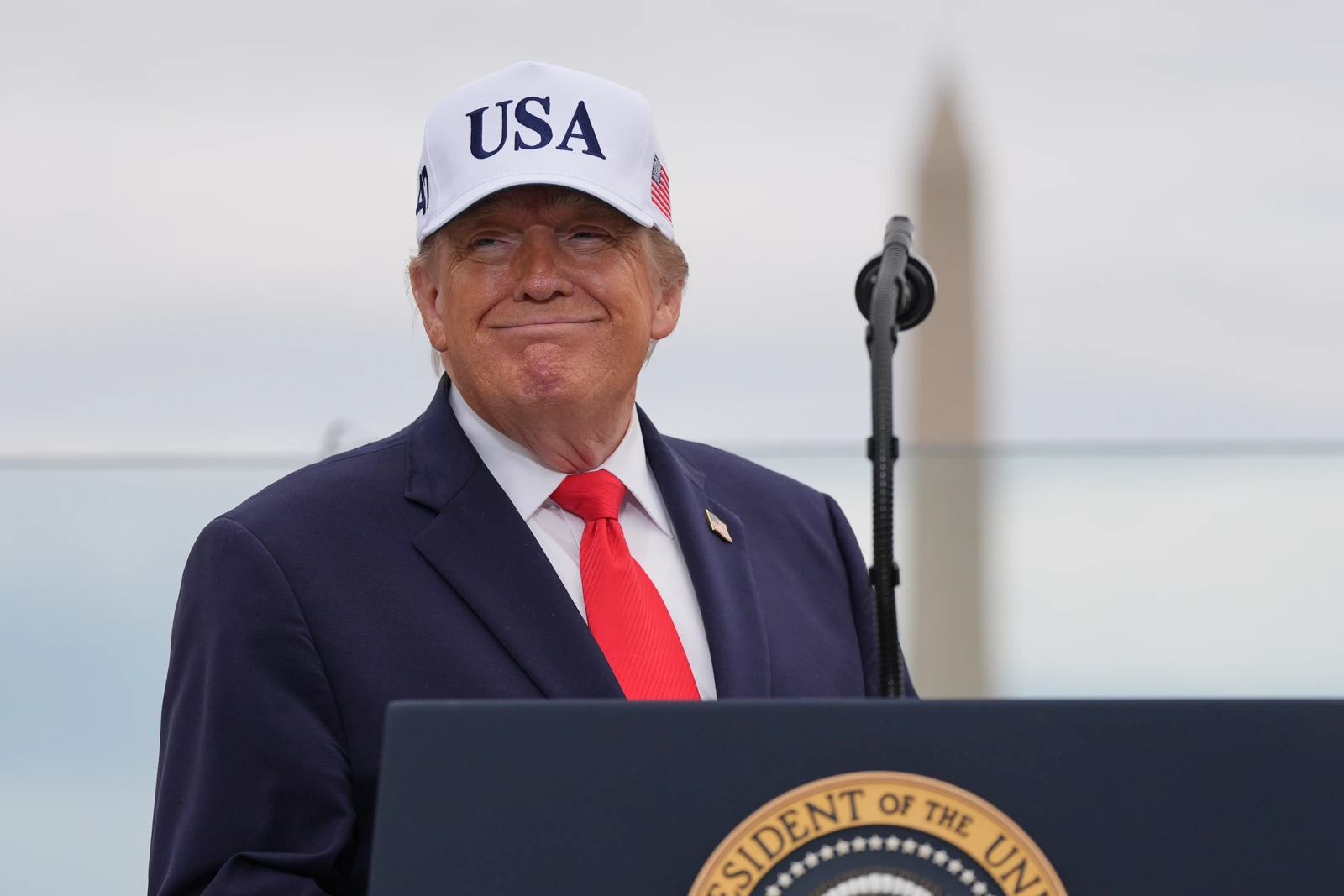
Trump’s public statements have kept the prospect of renewed military action firmly in view. On Sept. 9, speaking to reporters ahead of a Republican midterm convention, he declared: “I think the war is going to end immediately after the election.”
He followed this with a warning apparently directed at Tehran.
“They can’t hold out any longer,” he said. “They’re desperate to try and affect the election so that we can get a nice, weak group of people in there and leave them alone and let them have their nuclear weapons.”
On Oct. 8, Trump reiterated that the US “will not be attacking Iran at any time prior to the midterm elections.”
Then, on Oct. 28, he again raised the possibility of confrontation. “We are going to have something one way or the other that’ll happen fairly soon,” he said. “Most people seem to think it’s after the election, and we’re going to see what happens.”
That day, the New York Times reported that American and Israeli military planners had developed options for renewed strikes after the US elections.
The operation under discussion would reportedly be “short but intensive,” potentially targeting Iranian energy infrastructure alongside nuclear facilities and missile and drone capabilities.
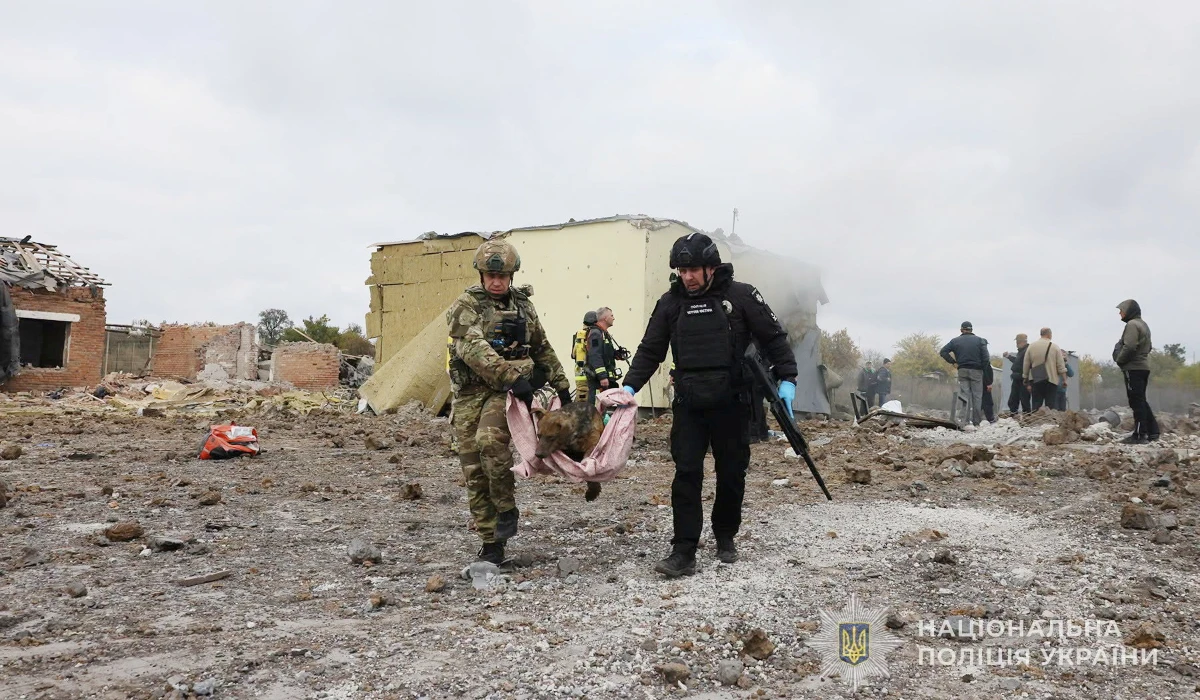
For Gulf governments, however, the danger is more than hypothetical. Shipping attacks, threats to civilian infrastructure and the widening Houthi campaign have continued during the pause in major US operations.
Iran has threatened to extend any renewed confrontation beyond American bases and warships to economic and civilian targets in neighboring countries.
The Wall Street Journal reported warnings encompassing Gulf airports, energy infrastructure and internet cables. Such threats expose states including the UAE to potential disruption regardless of whether they participate in renewed military action.
At sea, commercial crews have faced repeated projectile strikes, fires and evacuations. The International Maritime Organization recorded 122 confirmed incidents across the Strait of Hormuz and the wider Middle East by Oct. 30.
Attacks on commercial shipping have sunk vessels, killed seafarers and threatened oil and gas carriers as Iran asserts control over routes through the Strait of Hormuz.
The damage has extended to the environment, with oil from the stricken tanker GEM NO. 2 polluting parts of the UAE coastline and prompting containment and cleanup operations. The incident illustrated how attacks on shipping are leaving Gulf communities facing environmental damage long after a vessel’s fire has been extinguished.
Since July, Iran-backed Houthis have repeatedly attacked Saudi airports, oil infrastructure and Makkah and Madinah regions while ostensibly battling Yemen’s internationally recognized government. For their part, Yemeni authorities reported missile and drone attacks against Aden airport in October.
Iran’s longstanding military support has helped the Houthis develop their regional reach. UN experts have documented Iranian assistance, training and weapons supplies, while US intelligence has identified Iranian-origin missile and drone systems in the Houthi arsenal.
Following Trump’s threats in April to attack Iranian power plants, the UN warned that such action could violate international law.
On April 7, a spokesman for the UN secretary-general said there was “no military objective that justifies the wholesale destruction of a society’s infrastructure or the deliberate infliction of suffering on civilian populations.”
For the Gulf states, the danger is that the repercussions of another US-Israeli assault on Iran would not remain confined to Iranian territory.
Tehran has made clear that, as happened following the joint US-Israeli surprise attack in February, Washington’s regional allies would again find themselves in the firing line.
Its message, as The Wall Street Journal reported, “is stark.”
“If the US and Israel restart their air campaign, Tehran will respond with strikes not only on American bases and warships but on airports, pipelines and other civilian targets in the neighboring countries of the Gulf.”
Such threats have acquired added significance as the US military continues to assemble a formidable concentration of forces within striking distance of Iran.
On Oct. 21, The Wall Street Journal reported that, following Houthi attacks on targets in Saudi Arabia, some US forces and “non-emergency” government employees and their families had been moved out of the region.
Yet even as some personnel have been withdrawn, American naval power has been gathering offshore.
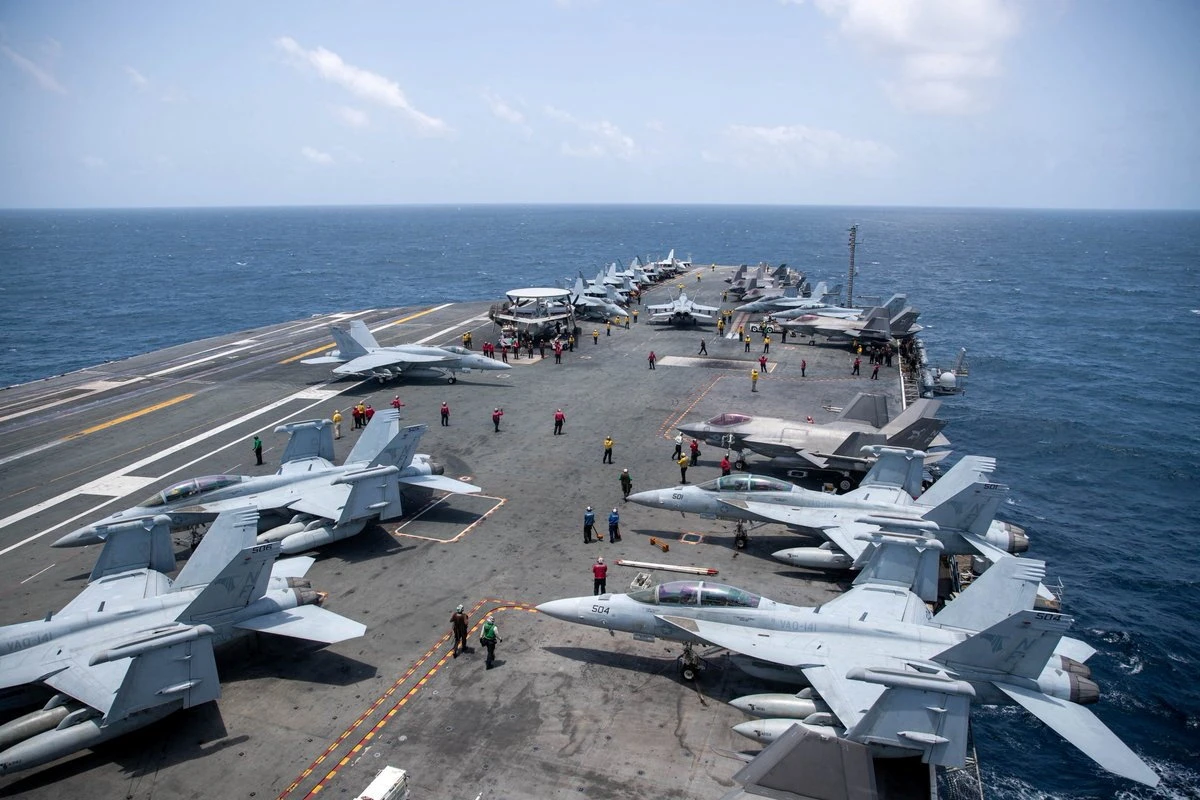
Three aircraft carrier strike groups are expected to be positioned near Iran, with the USS Theodore Roosevelt having departed Japan for the Arabian Sea, where it is due to join the USS George H.W. Bush and USS George Washington.
According to the US Naval Institute’s Fleet and Marine Tracker, as of Oct. 19 the two carriers already on station had been joined by the USS Boxer, an amphibious assault ship carrying approximately 2,200 Marines of the 11th Marine Expeditionary Unit.
They are expected to be reinforced by the 13th Marine Expeditionary Unit, now travelling from San Diego aboard the USS Makin Island.
The presence of these forces raises the possibility of operations extending beyond air and missile strikes.
Marine Expeditionary Units are trained to conduct raids and limited ground operations, deploying from amphibious assault ships by helicopter, tiltrotor aircraft or landing craft.
In June, Trump suggested that the US was considering seizing Kharg Island, Iran’s principal oil export terminal at the northern end of the Arabian Gulf.
An operation to capture the island would fall within the capabilities of Marine Expeditionary Units, particularly with support from the F-35B fighters carried aboard the Boxer.
Whether such an operation is actually being contemplated remains unknown. But the combination of naval deployments, military planning and increasingly pointed political rhetoric has left little doubt that Washington is preparing to keep its options open.