RIYADH: Sudanese Foreign Minister and Minister of International Cooperation, Mohi El-Din Salem, told Asharq on Monday that the priorities of the Saudi-Sudanese Coordination Council are in the areas of security, defense and the economy, following the signing of the council’s founding document on Monday in Riyadh.
Salem added that the Red Sea represents another area of cooperation between the two countries, given its importance and the fact that Saudi Arabia and Sudan share it. He stressed the importance of maintaining its security and safety, emphasizing that Khartoum and Riyadh share the same positions on this matter.
He explained that economic cooperation is another priority for the Council, noting the opportunities for integration between Saudi capabilities and Sudanese natural resources. He pointed out that the benefits of these capabilities are not limited to the Saudi and Sudanese people, but can extend to partners in neighboring countries and around the world.
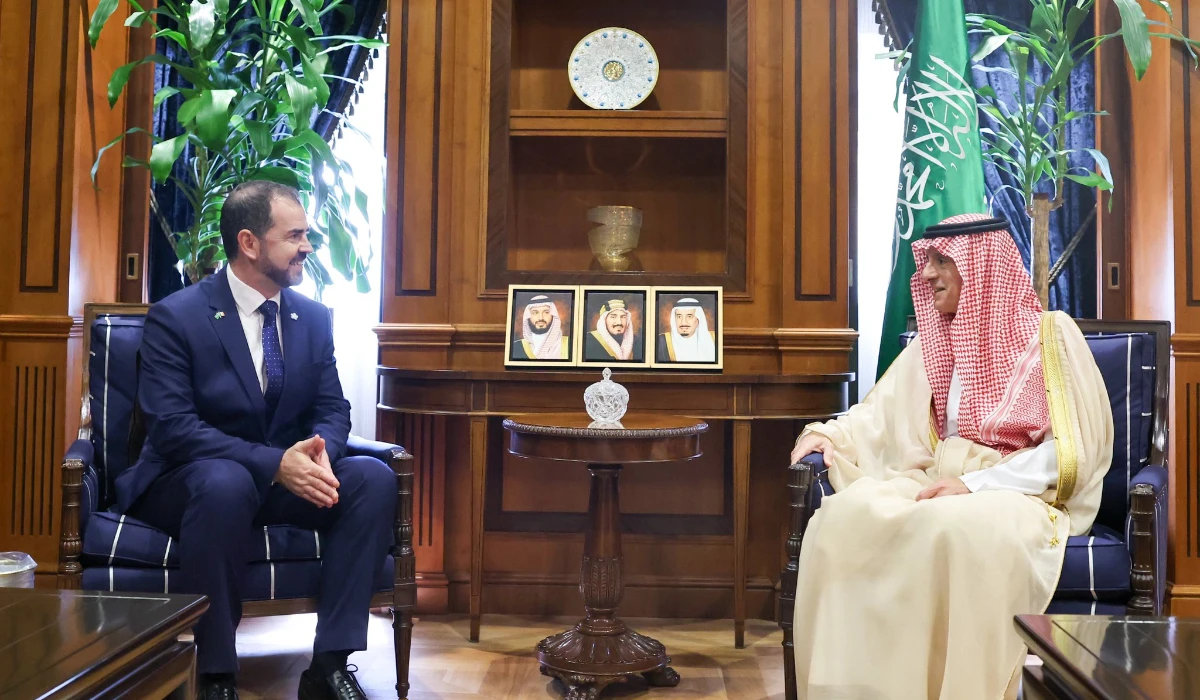
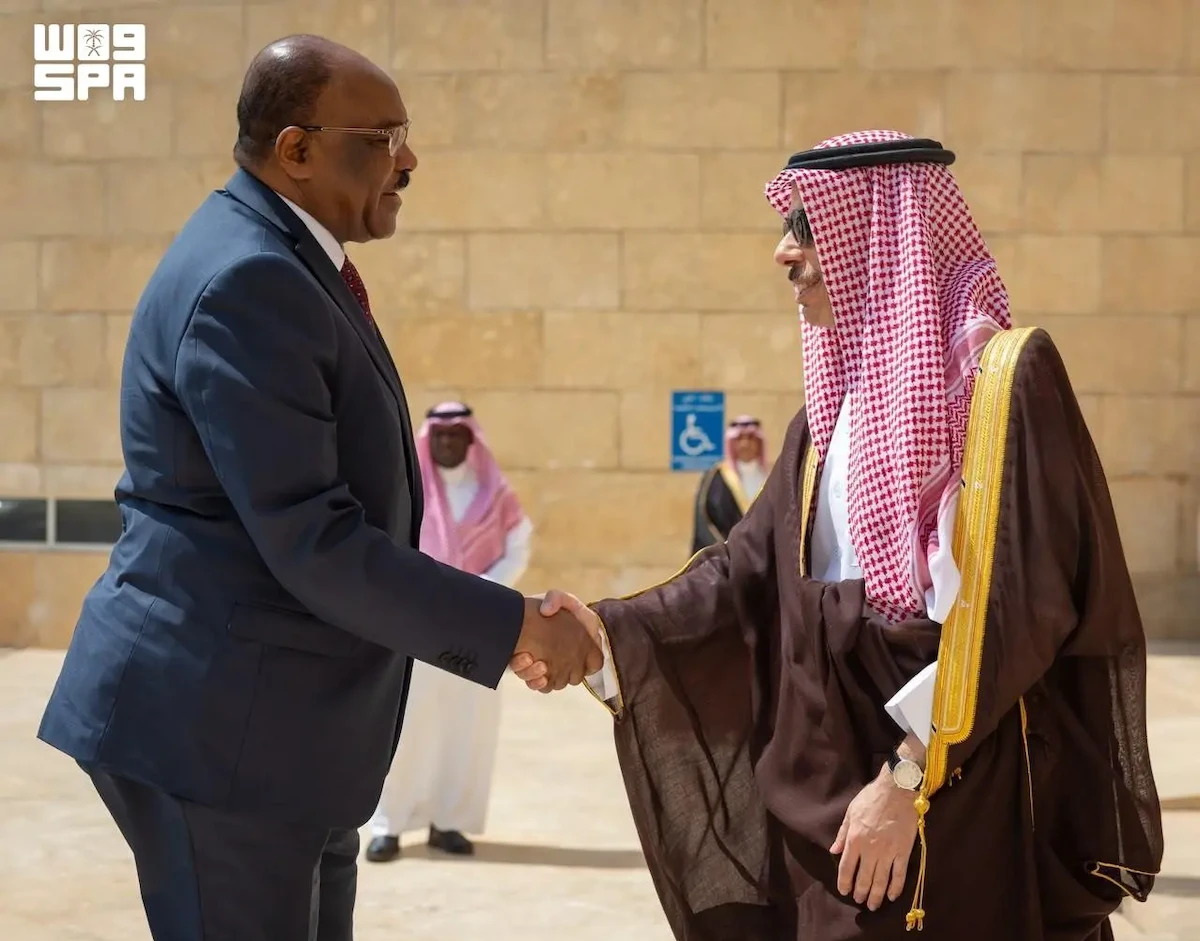
On Monday, Saudi Foreign Minister Prince Faisal bin Farhan received his Sudanese counterpart at the ministry headquarters in Riyadh, where the two sides signed a document establishing the Saudi-Sudanese Coordination Council.
The Saudi Ministry of Foreign Affairs stated that the council aims to raise the level of cooperation and coordination between the two countries, to be an institutional platform for developing bilateral relations, and a framework that brings together the relevant parties from both sides to work on initiatives and projects with clear objectives and tangible outcomes, in order to enhance cooperation and integration between Saudi Arabia and Sudan.
The Sudanese crisis
In another context, the Sudanese Foreign Minister criticized meetings held abroad to discuss the Sudanese crisis without the government’s participation, noting that such meetings disregard the large number of Sudanese citizens residing within the country. He asked, “Don’t they have the right to decide on matters concerning their own country?”
He added that the position of the Sudanese leadership is that whoever wants to listen to the Sudanese or help them should go to them inside the country and talk to them.
Salem said that addressing the crisis does not require holding meetings in Geneva, Paris, London and Berlin, especially given that “no party from the Sudanese government has been invited to participate in them.”
He pointed out the existence of political forces, parties, women, youth, and civil society representatives who are holding continuous meetings within the country to discuss a solution to the crisis. He questioned why these forces are not being recognized, while what he described as “small groups with no support in society” are being dealt with and attempts are being made to impose them on Sudan.
He considered this approach to reflect a lack of respect for Sudan and its government, stressing that Khartoum does not consider itself concerned with meetings held without its participation.
The head of Sudan’s Sovereign Council, Abdel Fattah Al-Burhan, announced the launch of a comprehensive national dialogue in Sudan, initiated by an independent group of Sudanese, stressing that the state would not be responsible for organizing it, determining its participants, agenda, or outcomes.
He pledged to provide logistical support, legal, political and security guarantees to the participants, including temporarily suspending criminal proceedings against some of them, without permanently dropping legal responsibility.