- Talks focus on alternative borrowing instruments to diversify Pakistan’s external financing
- Officials discuss diaspora deposits, energy hedging and funding for infrastructure projects
KARACHI: Pakistan is exploring gold-backed financing and new bond instruments as part of efforts to diversify its borrowing options and strengthen access to international capital markets, the finance ministry said on Friday following talks with Standard Chartered Bank.
The discussions come as Pakistan seeks to stabilize its external finances under a $7 billion International Monetary Fund (IMF) program, with access to foreign currency funding remaining critical to meeting external payment obligations and supporting economic growth.
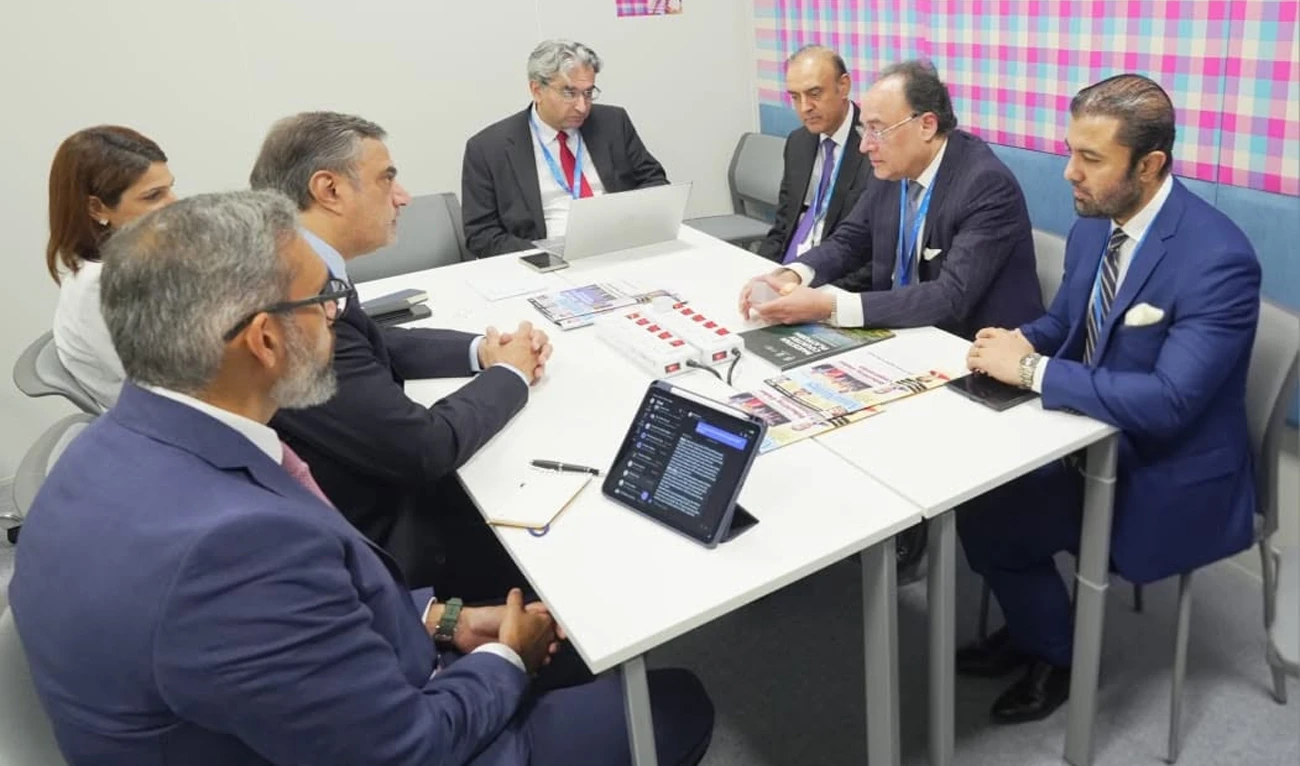
Finance Minister Muhammad Aurangzeb, accompanied by State Bank of Pakistan Governor Jameel Ahmad, met representatives of Standard Chartered on the sidelines of the World Bank Group–IMF Annual Meetings in Bangkok, Thailand.
“Discussions covered prospective Sukuk, rupee-denominated, dollar-settled bonds, further Panda bonds and possible tokenization initiatives,” the finance ministry said in a statement.
“Participants explored gold-backed liquidity and energy-price hedging, emphasizing simple structures and competitive costs.”
Gold-backed financing can allow borrowers to raise funds against gold holdings without selling them, while energy-price hedging involves financial arrangements designed to limit exposure to fluctuations in global oil and gas prices.
The finance ministry said Standard Chartered had proposed additional deposit products for overseas Pakistanis and financing against rupee-denominated securities or cash.
The two sides also discussed multilateral guarantees and export-credit financing for priority power transmission, railway and road projects, potentially allowing Pakistan to mobilize infrastructure investment while reducing risks for lenders.
Aurangzeb also highlighted opportunities for refinery upgrades and welcomed follow-up proposals through the relevant ministries, according to the statement.
The ministry did not announce any financing commitments, agreements or timelines following the meeting.