- 12th Riyadh Economic Forum to be held from October 12-14
- It will feature studies on AI in smart agriculture, traffic congestion solutions
RIYADH: Riyadh Gov. Prince Faisal bin Bandar will inaugurate the 12th Riyadh Economic Forum, taking place from Oct. 12-14 under the patronage of King Salman.
The forum will examine five studies, including the use of artificial intelligence to advance smart agriculture and strengthen food and water security, and strategies for transferring and localizing expertise among Saudi professionals to improve organizational performance and institutional capacity.
Another study will examine the causes of traffic congestion in major cities and potential solutions to improve urban transport efficiency and reduce its economic, social and environmental costs.
The remaining studies will explore the impact of legislation and public policies on sustainable development and Saudi Vision 2030, as well as ways to maximize the economic and social benefits of hosting Expo 2030 and the 2034 FIFA World Cup through investment, local content and economic diversification.
Since 2003, the Riyadh Economic Forum has brought together experts, academics and policymakers to examine key national issues and develop policy recommendations to support Saudi Arabia’s economic development.
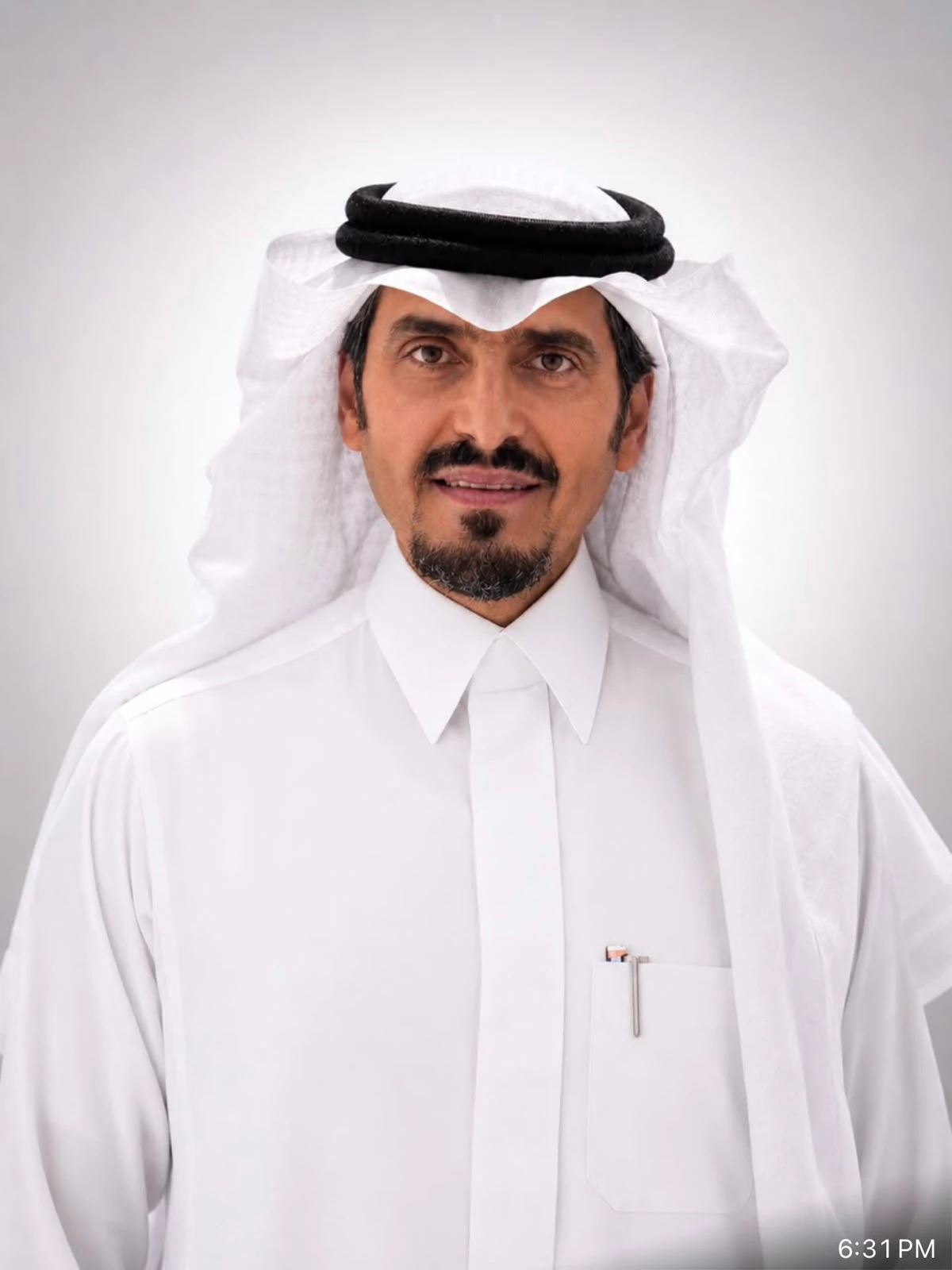
Abdulaziz Alangari, chairman of the forum’s board of trustees, said it had evolved into a national platform for examining strategic issues. Under Saudi Vision 2030, its focus had expanded to include future challenges, structural issues and emerging opportunities.
“The forum is designed to deliver research and practical solutions, rather than serve as a venue for dialogue alone. Its work begins with identifying priority issues, followed by research and data analysis, before producing recommendations for relevant authorities. This approach combines scientific rigor with the practical needs of the national economy,” Alangari said.
He said the forum’s value lay in translating discussions into actionable recommendations that supported economic and development goals. Their effectiveness depended on sound evidence, rigorous analysis and practical solutions, rather than whether they were binding.
Alangari said that the forum’s impact should be measured by what happened after recommendations were issued, including whether they reached relevant authorities and led to concrete decisions or initiatives.
“The forum’s success ultimately lies in translating the knowledge it generates into practical value for the national economy, rather than producing recommendations that remain on paper. The aim is to generate knowledge that contributes to sustainable economic impact,” Alangari said.