- Saturday’s attack on Riyadh airport killed 12 people and injured over 300 others
- Pakistani politicians warn further attacks will undermine economic, political stability
ISLAMABAD: Pakistani officials, politicians and the chief of a leading body of religious scholars on Sunday condemned a Houthi attack on the Riyadh airport that killed 12 people, calling for an immediate halt to hostilities and warning that further acts of aggression would undermine regional stability.
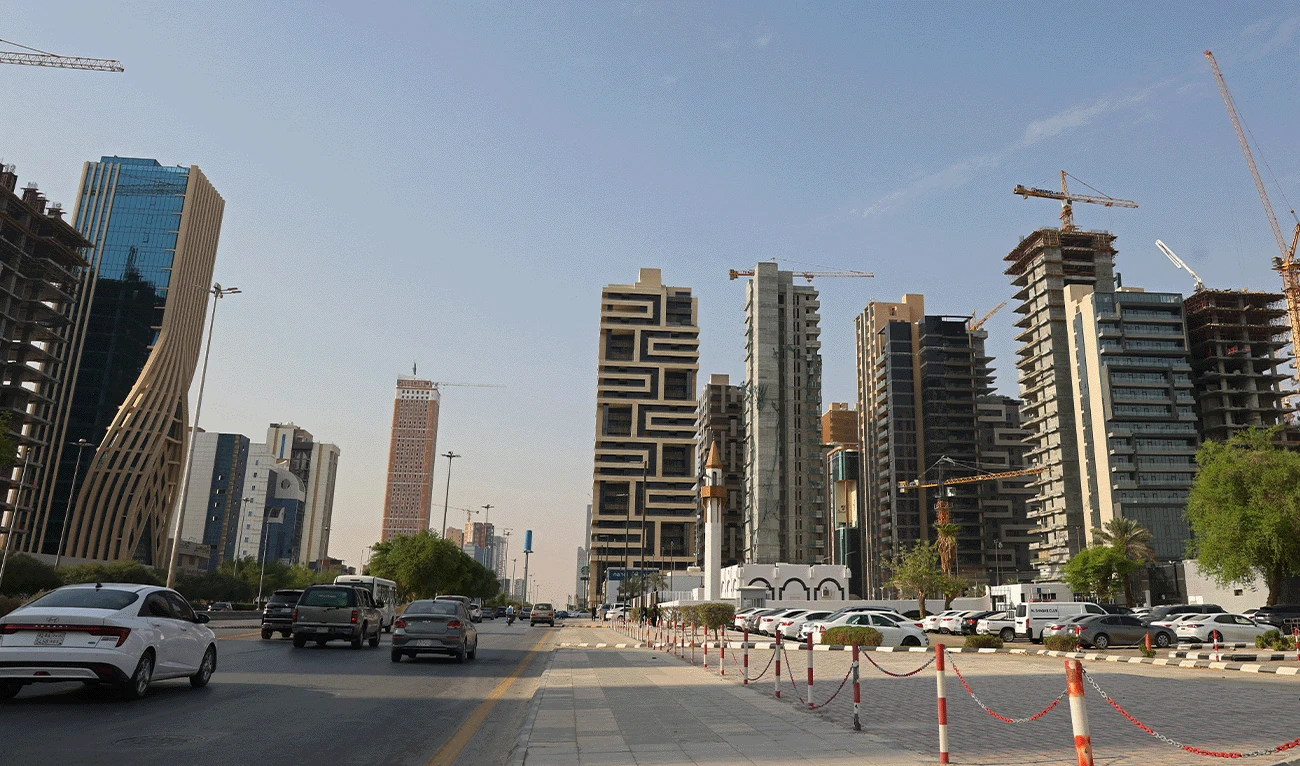
Saudi authorities said Saturday’s attack by the Iran-backed Houthi rebels targeting the King Khalid International Airport in Riyadh killed 12 people and injured 309 others. Saudi Arabia said the dead included four Saudi citizens and nationals of Bangladesh, Palestine, the US, Egypt, Jordan, Syria and Sudan.
The Yemeni militia has continued its attacks on the Kingdom’s civilian aviation infrastructure this week, prompting calls for international action to protect civilians and prevent further escalation.
Prime Minister Shehbaz Sharif condemned the attacks earlier on Sunday, vowing to cooperate in every possible way with the Kingdom. Pakistan signed a bilateral defense pact with Saudi Arabia in September 2025 and in August, became part of a trilateral defense agreement that also involves Turkiye and Saudi Arabia. The pact stipulates that any act of aggression against one of the three will be considered an attack against all of them.
Deputy PM Ishaq Dar expressed concern at the attack and wished speedy recovery for all the injured, which he said included six Pakistani nationals.
“We are in touch with the Saudi Authorities and are closely following the situation,” Dar said. “I have directed our Embassy in Riyadh to coordinate with the concerned authorities to provide all possible assistance to the injured Pakistani nationals.”
Liaquat Baloch, a leader of the right-wing Jamaat-e-Islami party, condemned the attacks while speaking to Arab News. He noted that Saudi Arabia was an important country not only for Pakistan but the Islamic world.
“If Pakistan and Turkiye have become part of it for the defense of Saudi Arabia, then according to that defense treaty, both Turkiye and Pakistan are bound by this and will have to play their role,” Baloch said.
He called on Pakistan, Turkiye and Iran to prioritize resolving the conflict in Yemen through “diplomatic means based on justice.”
‘SERIOUS CONSEQUENCES’
Sehar Kamran, a lawmaker of the Pakistan Peoples Party, said Saudi Crown Prince Mohammed bin Salman has a vision for public welfare, economic prosperity and growth.
“If the war continues, the entire region faces serious political and economic consequences,” she said. “Hajj and Umrah will be disturbed, the oil risk will rise, and Expo 2030 and the 2034 World Cup will be affected. All of these require an end to drone attacks.”
She called for an immediate end to Houthi attacks, saying that the “cycle of escalation must be halted.”
“A sustainable solution can only come through dialogue that protects civilian lives on all sides and addresses legitimate humanitarian concerns,” she said.
Tahir Ashrafi, chairman of the Pakistan Ulema Council, condemned the Houthi attack and branded them as “allies of the enemies of Islam.”
“We say to the scholars and peoples of the Arab and Islamic nation, defend your religion and your sanctities, because these criminals have clear and singular goals— they are targeting our religion and our sanctities, but we will not allow them to do so,” Ashrafi said.
Pakistan has previously warned that the Makkah Joint Defense Agreement could be operationalized if acts of aggression against the Kingdom continue.
Pakistan’s military confirmed the deployment of Pakistani forces to Saudi Arabia under the trilateral agreement this week, saying Pakistani soldiers were discharging duties in the Kingdom in “multiple capabilities and domains.”