- Saudi researchers are helping to shape future of Kingdom’s royal reserves
- Experts gathered in Jeddah to discuss how scientific research can help advance Saudi Arabia’s environmental ambitions and strengthen management of its royal reserves
JEDDAH: As Saudi Arabia expands its network of protected areas and accelerates conservation efforts under Vision 2030, a new initiative is seeking to ensure that scientific research keeps pace with the needs of the Kingdom’s most important natural landscapes.
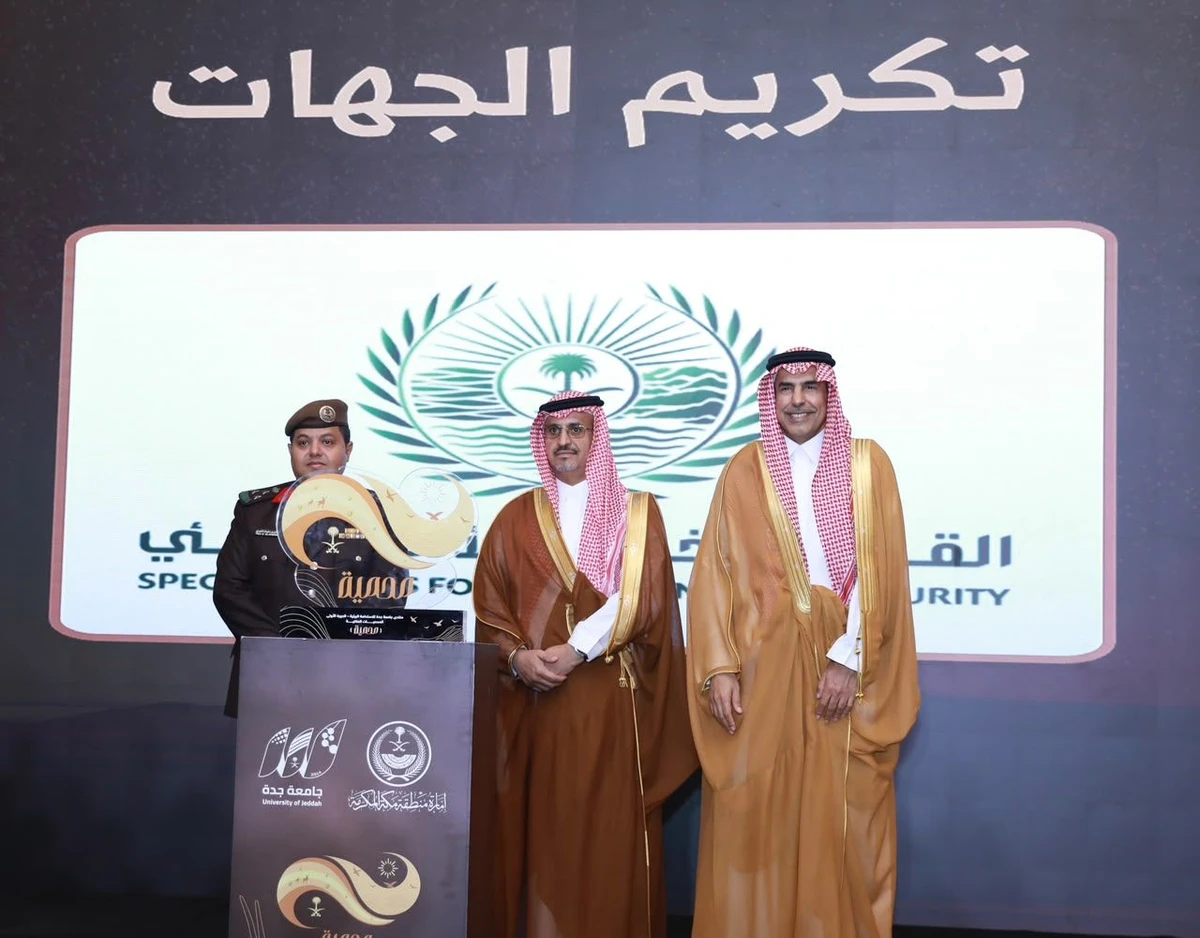
That ambition sits at the heart of the University of Jeddah Forum for Environmental Sustainability — Royal Reserves, known as Mahmiyah, a two-day gathering that brings together researchers, policymakers, environmental specialists and conservation authorities to explore how academic research can better support the management of Saudi Arabia’s royal reserves.
Held under the patronage of Prince Khalid Al-Faisal, adviser to King Salman and governor of Makkah Region, the forum opened on Wednesday in Jeddah with the signing of seven memoranda of understanding involving several organizations, including the National Center for Wildlife.
Under the theme “Protecting a Legacy … Sustaining a Nation,” the event features 10 panel discussions across 10 key themes, bringing together 31 speakers. An accompanying exhibition highlights environmental innovations and conservation practices from royal reserve development authorities, government agencies, environmental associations and research centers.
But beyond the discussions and partnerships, organizers say the forum has a broader objective; creating a research framework rooted in the realities of conservation work on the ground.
Dr. Shatha Ibrahim Al-Qurashi, chair of the forum’s scientific committee, told Arab News that the long-term goal is to “build a research agenda grounded in the actual needs of the reserves.”
Such an approach, she said, would help develop joint initiatives that contributed to protecting reserves, sustaining natural resources, strengthening biodiversity conservation and supporting ecosystem restoration.
Al-Qurashi described the forum as “a scientific and dialogue platform that brings together expertise and relevant organizations to strengthen coordination and support national efforts towards the sustainability of the environment, biodiversity, and natural resources.”
The initiative also reflects a changing view of the role universities can play in national development.
“The idea,” she said, “reflects a belief that universities’ role is not limited to producing knowledge, but extends to applying scientific research and academic expertise in support of national priorities.”
That principle is especially relevant for Saudi Arabia’s royal reserves, which have emerged as a cornerstone of the Kingdom’s environmental strategy.
Asked why the inaugural event focuses on royal reserves rather than other environmental challenges such as water or energy, Al-Qurashi said the reserves provide an intersection between conservation, development and innovation.
They encompass a wide range of priorities, including biodiversity protection, ecosystem restoration, ecotourism, community development, capacity building and the use of emerging technologies.
The decision, she added, was closely aligned with the environmental sustainability goals of Saudi Vision 2030, although it “does not mean other environmental issues are less important.”
Saudi Arabia currently has eight royal reserves managed by independent development authorities. The Royal Reserves Council was established by royal decree in 2018 and is chaired by Crown Prince Mohammed bin Salman.
These reserves play a central role in the Kingdom’s target of protecting 30 percent of its terrestrial and marine areas by 2030, one of the flagship environmental commitments pursued through the Saudi Green Initiative and the National Center for Wildlife.
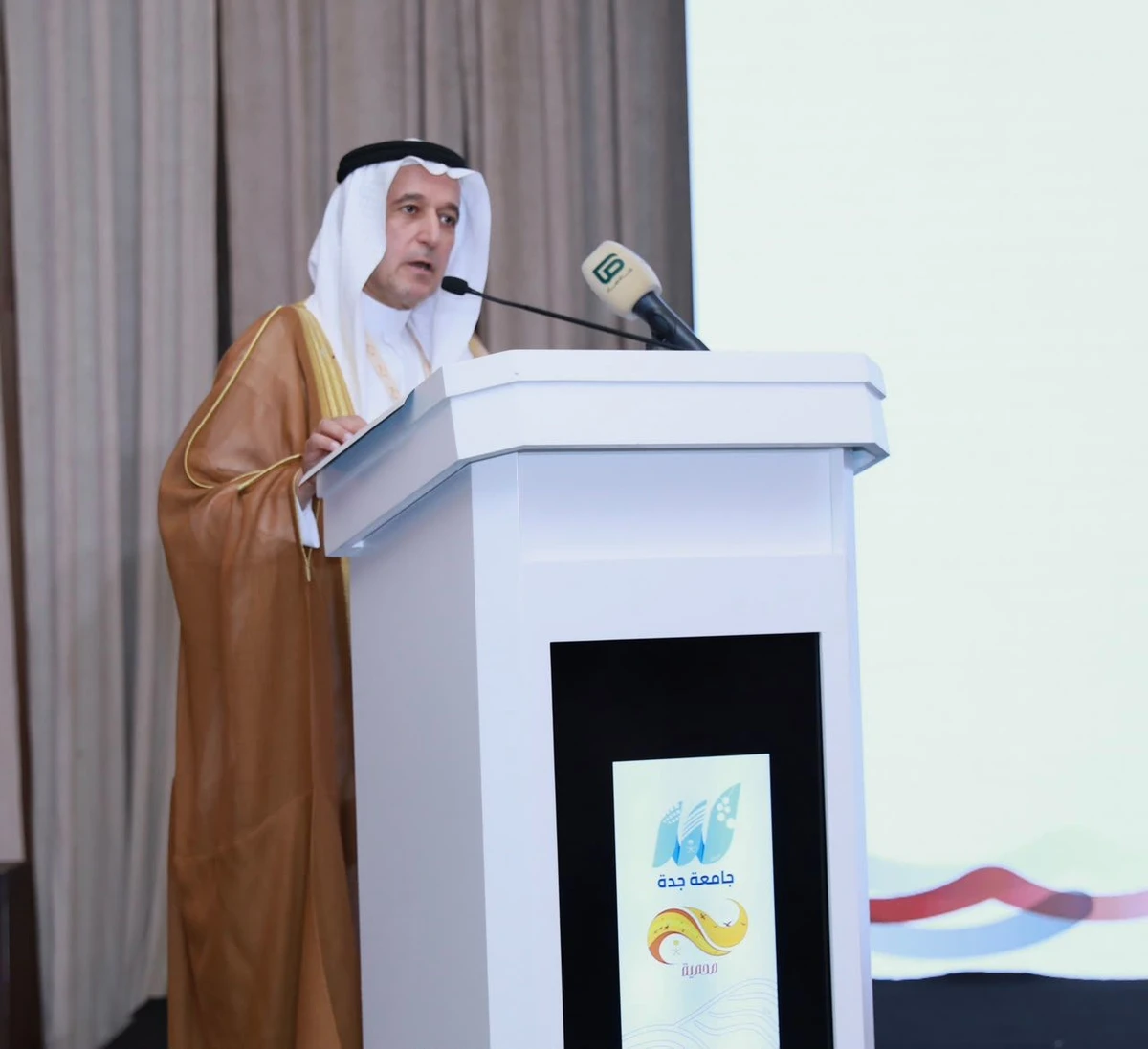
Speaking at the forum, Ahmad Al-Boug, vice president of the National Center for Wildlife, highlighted the progress achieved in recent years.
“This commitment was announced by Crown Prince Mohammed bin Salman, the prime minister, in 2021. The proportion of protected land has risen from 4.2 percent before the launch of Vision 2030 to 18.3 percent today, while protected marine areas have increased from 2.5 percent to 16.2 percent.”
He added: “Protected areas are a vital tool for conservation, safeguarding seeds, biodiversity and ecosystems within their boundaries.”
For organizers, however, achieving long-term conservation goals will require more than expanding protected territory. It will also depend on creating stronger links between research institutions and the agencies responsible for managing natural habitats.
Al-Qurashi said that the university’s role complemented rather than duplicated the work already being carried out by reserve authorities.
“The university contributes its scientific and research capabilities, academic expertise and ability to analyze data, develop solutions and technologies, and build capacity, while the responsible organizations bring field knowledge, implementation experience, and an understanding of priorities and actual needs,” she said.
The value of such collaboration, she added, emerged “when scientific knowledge meets field experience, and research efforts are directed towards real needs in ways that help develop practical solutions.”
Those practical outcomes are central to the forum’s ambitions. Organizers hope the discussions will lead to new research projects, partnerships and initiatives capable of delivering measurable environmental benefits.
Rather than focusing on a single research question, the forum has been designed as a platform for dialogue and cooperation, creating opportunities for experts from different disciplines to identify common challenges and potential solutions.
Al-Qurashi said that she hoped participants would leave “with ideas that create real opportunities for cooperation,” and that connections formed during the event would evolve into projects with “a tangible impact benefiting the environment and sustainability.”
For Saudi Arabia’s researchers, conservationists and environmental policymakers, Mahmiyah represents an opportunity to bridge the gap between knowledge and action.
As the Kingdom's network of protected areas continues to grow, organizers believe that ensuring research is guided by real-world conservation needs could prove just as important as protecting the landscapes themselves.