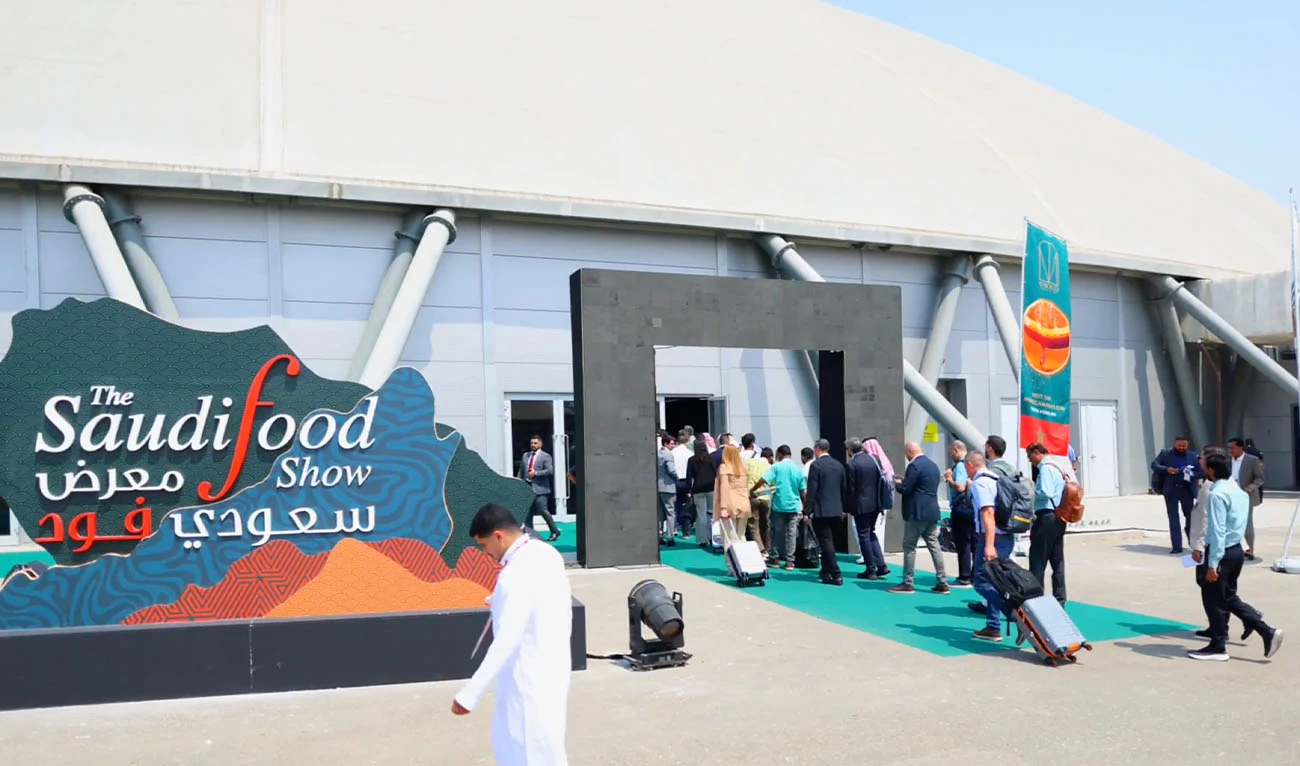
- Thirty Pakistani companies attend Saudi Food Show, with confirmed figures on commercial deals still pending
- Rice exporter says Pakistani basmati costs about $200 per ton more than comparable Indian supplies
KARACHI: Pakistani food exporters reported Saudi buyer interest at the Saudi Food Show in Jeddah this week, but one rice supplier said cheaper Indian competition was preventing his company from turning meetings into orders.
The contrasting accounts highlight Pakistan’s challenge in expanding food exports to the Gulf: finding buyers is only the first step, with prices, delivery times and product testing determining whether contacts become sales.
Thirty Pakistani companies attended the Saudi Food Show from Sept. 27 to 29, including 14 rice firms.
Saudi Arabia is a major market for basmati, the aromatic, long-grain rice grown in Pakistan and India. The Kingdom was India’s largest basmati export destination in 2025–26, according to India’s Agricultural and Processed Food Products Export Development Authority, underscoring the competition Pakistani suppliers face.
Mian Mohsin Aziz, director of international sales and marketing at Pakistan’s Waqar Rice Mills, said his company had encountered buyer interest but had not secured a deal at the exhibition.
“No deal could mature,” Aziz told Arab News. “The major importers of rice say that their cargo from India arrives faster, they get cheaper rates and the packaging is also great.”
Aziz said Pakistani basmati from the new crop was being offered at around $1,050 per metric ton, including freight, compared with approximately $850 for comparable Indian supplies. He attributed the disadvantage to higher domestic prices and freight costs.
The prices reflect his account of offers made to buyers, rather than an independently verified market-wide comparison.
The pressure extends beyond the exhibition.
Pakistan’s central bank reported that rice export earnings fell nearly 50 percent to about $940 million in July–December 2025 compared with the same period a year earlier. It said India’s return to the global rice market had intensified competition and pushed down prices. Rice exports earn Pakistan foreign currency needed to pay for imports.
Other Pakistani exhibitors were seeking customers for processed foods and beverages, offering opportunities beyond bulk agricultural exports.
Waheed Ahmed, director of Iftikhar Ahmed & Company, said buyers had shown interest in Chaunsa mango pulp, made from a Pakistani mango variety, apple juice concentrate and the company’s Fruit Nation juices.
Ahmed said this was the company’s first participation in the Saudi Food Show. Prospective customers generally requested samples for testing before considering a commercial arrangement, he said, adding that the company hoped the contacts would help expand its Saudi and wider Middle Eastern business.
The exhibition connects food suppliers with importers, distributors, retailers and hospitality buyers. Pakistani participants also showcased pulses, grains, meat, poultry and food-processing equipment.
Pakistan’s government export-promotion agency, the Trade Development Authority of Pakistan, said confirmed totals for orders and other commercial commitments were not yet available.
“Exhibitors always share their feedback after the conclusion of the fair,” agency official Rashid Gilani told Arab News.
The agency said a clearer picture of the exhibition’s commercial results would emerge once participating companies submitted that feedback.