- Finance ministry this month warned global oil inventory buffers were depleting, stressing urgency to reopen Hormuz
- Pakistan’s August crude imports jumped as much as 62 percent to 1.24 million tons as US-Iran war heightened shipping risks
KARACHI: Pakistan’s largest oil refiner said on Wednesday the government had asked oil refineries to “timely” order crude stocks, amid disruptions in energy supplies through shipping routes in the Gulf.
The statement came after the United Kingdom Maritime Trade Operations Center (UKMTO) said a crude oil tanker and two other vessels had each “been struck by an unknown projectile” in the
Strait of Hormuz, which is at the center of the war between Iran and the United States. Around a fifth of the world’s oil and liquefied natural gas passed through the strategic shipping lane before the war.
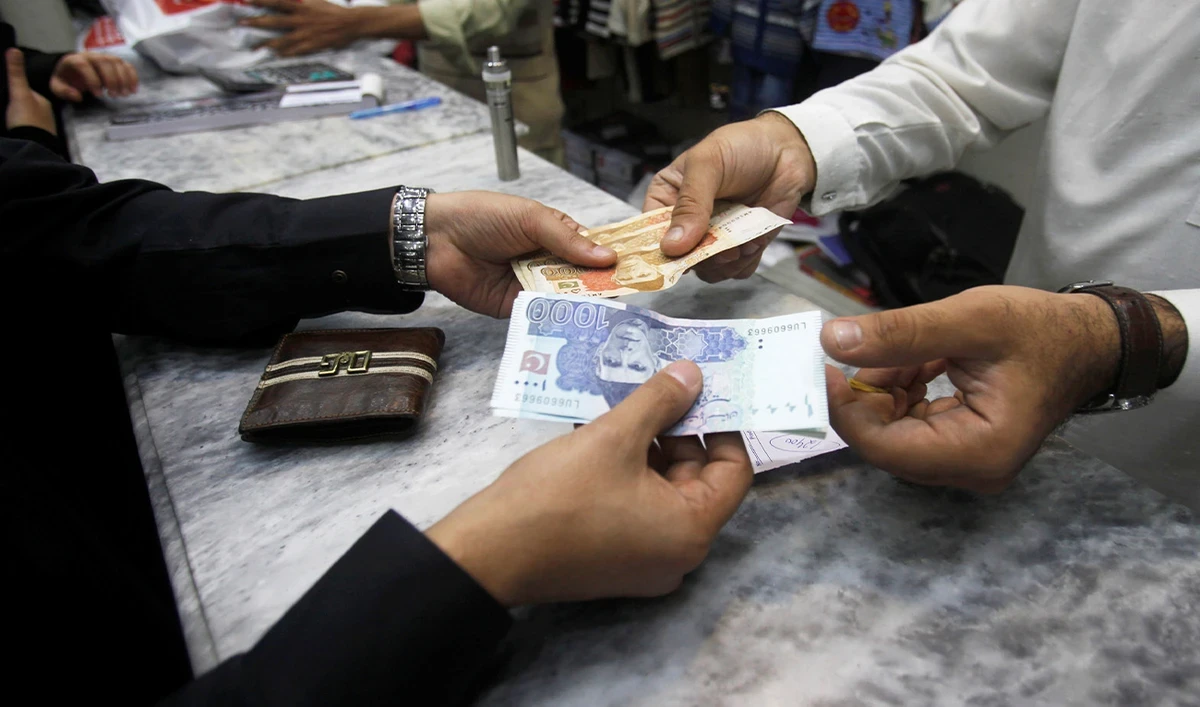
Pakistan’s crude oil imports surged 14 percent to 1.98 million tons during July-August, from 1.74 million tons during the same period a year earlier, according to the Pakistan Bureau of Statistics. The country paid $1.24 billion for crude, 40 percent more than the $887 million spent last year.
Citing oil industry data, Pakistan’s English-language newspaper The News reported that the increase in Pakistan’s crude imports was pronounced in August. The second month of the current fiscal year, FY27, marked 62 percent hike in crude purchases to 1.238 million tons in August compared with 763,702 tons in July, it said.
“There was government directive asking refineries to order crude stocks timely,” Usama Qureshi, vice chairman at Cnergyico Pk Limited, told Arab News on Wednesday, adding the directives were issued at a recent meeting with refiners.
Higher crude imports in August were driven by individual refineries, based on product demand forecasts provided by the Oil and Gas Regulatory Authority under its Product Review Meeting process, according to Qureshi.
He said he was unsure whether the government was creating any specific crude buffer in response to potential Gulf supply disruptions.
Pakistan’s Petroleum Minister Ali Pervaiz Malik and his ministry’s spokesperson Zafar Abbas did not respond to questions about the higher August volumes or whether the government had asked refineries to increase crude stocks.
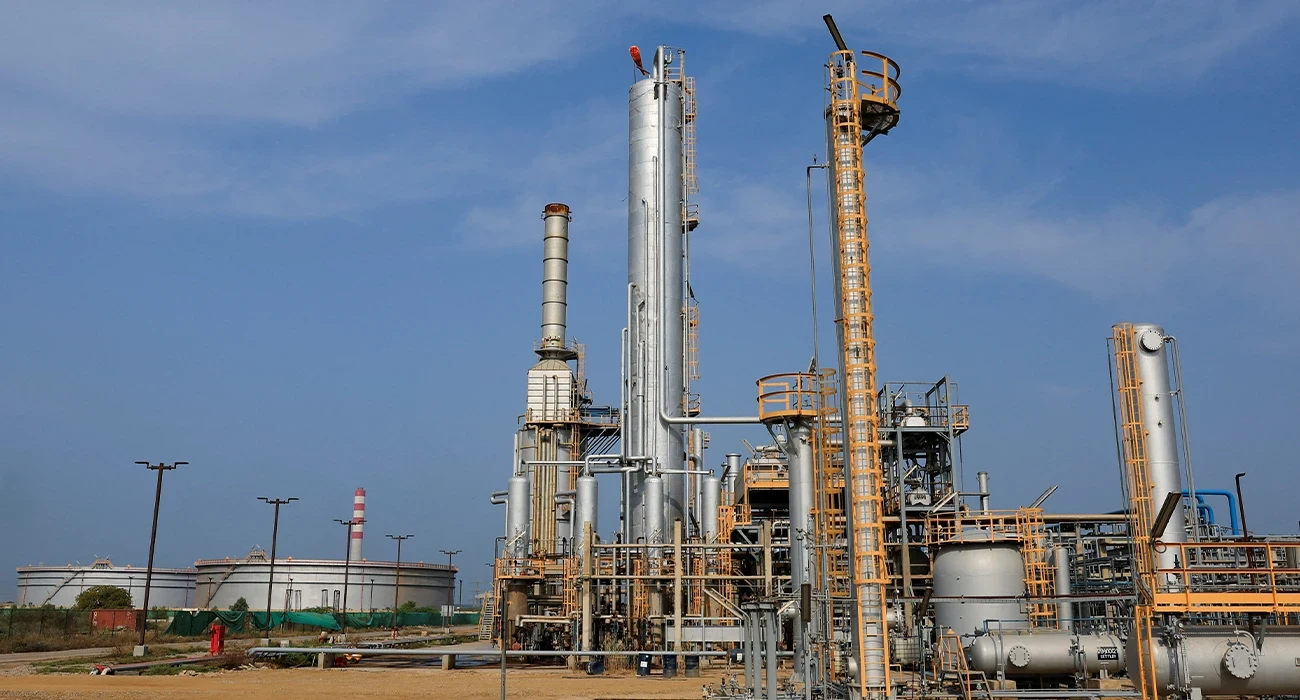
Pakistan’s total installed refining capacity is about 450,000 barrels per day (bpd), equivalent to roughly 20.5 million tons annually, according to industry data. Cnergyico has capacity of about 156,000 bpd, Pak Arab Refinery Company (PARCO) has 120,000 bpd, National Refinery has 70,000 bpd, Attock Refinery Limited (ARL) has 53,400 bpd and Pakistan Refinery Limited (PRL) has capacity of 50,000 bpd.
In its monthly economic outlook issued in early Sept., Pakistan’s finance ministry said global oil inventory buffers were rapidly depleting, increasing the urgency of restoring shipping through the Strait of Hormuz.
“The urgency of reopening the Strait has increased as previously available [global] inventory buffers are rapidly depleting,” it said, adding that renewed US-Iran hostilities and maritime disruptions in July and early August had undermined efforts to recover global oil supply.
“Although the market is projected to return to a surplus global oil balance toward the end of this year, risks remain substantial.”
Qureshi, who company’s crude slate comprises supplies from Fujairah, the US Gulf Coast and West Africa, said Pakistan had been adequately supplied and no oil cargo destined for the country had defaulted since start of the war in Feb.
“Following the closure of the Strait of Hormuz, part of the crude supply is coming through Yanbu,” he said.
However, Attock Refinery Limited (ARL) CEO Adil Khattak said that crude import decisions “are taken by the refiners individually on commercial basis and as per their storage capacity“
Khattak’s ARL does not import crude but relies entirely on local supplies.
Historically, Pakistan’s actual throughput has remained below installed capacity, with sector utilization at around 63 percent in FY25, according to the ARL CEO.
He said four of Pakistan’s five refineries were dependent on imported crude and they generally avoided importing excess crude because of potential inventory losses if international oil prices fell sharply.
PARCO Managing Director Irteza Ali Qureshi did not respond to Arab News requests seeking comment on the matter, while PRL’s public relations officer Fatima Naseem said she would respond but did not revert by the publication of this story.