- 43rd edition of Saudi Agriculture Exhibition in Riyadh runs until Oct. 22
RIYADH: From refrigerated trucks carrying fresh produce from Al-Kharj to strategically located warehouses stocked with grain reserves, Saudi Arabia is quietly reshaping the way food moves across the Kingdom.
Industry leaders speaking at the Saudi Agriculture Exhibition 2026 said food security was no longer focused solely on securing supplies from abroad. Increasingly, the emphasis is on growing more food locally, strengthening logistics networks and building supply chains capable of withstanding disruptions.
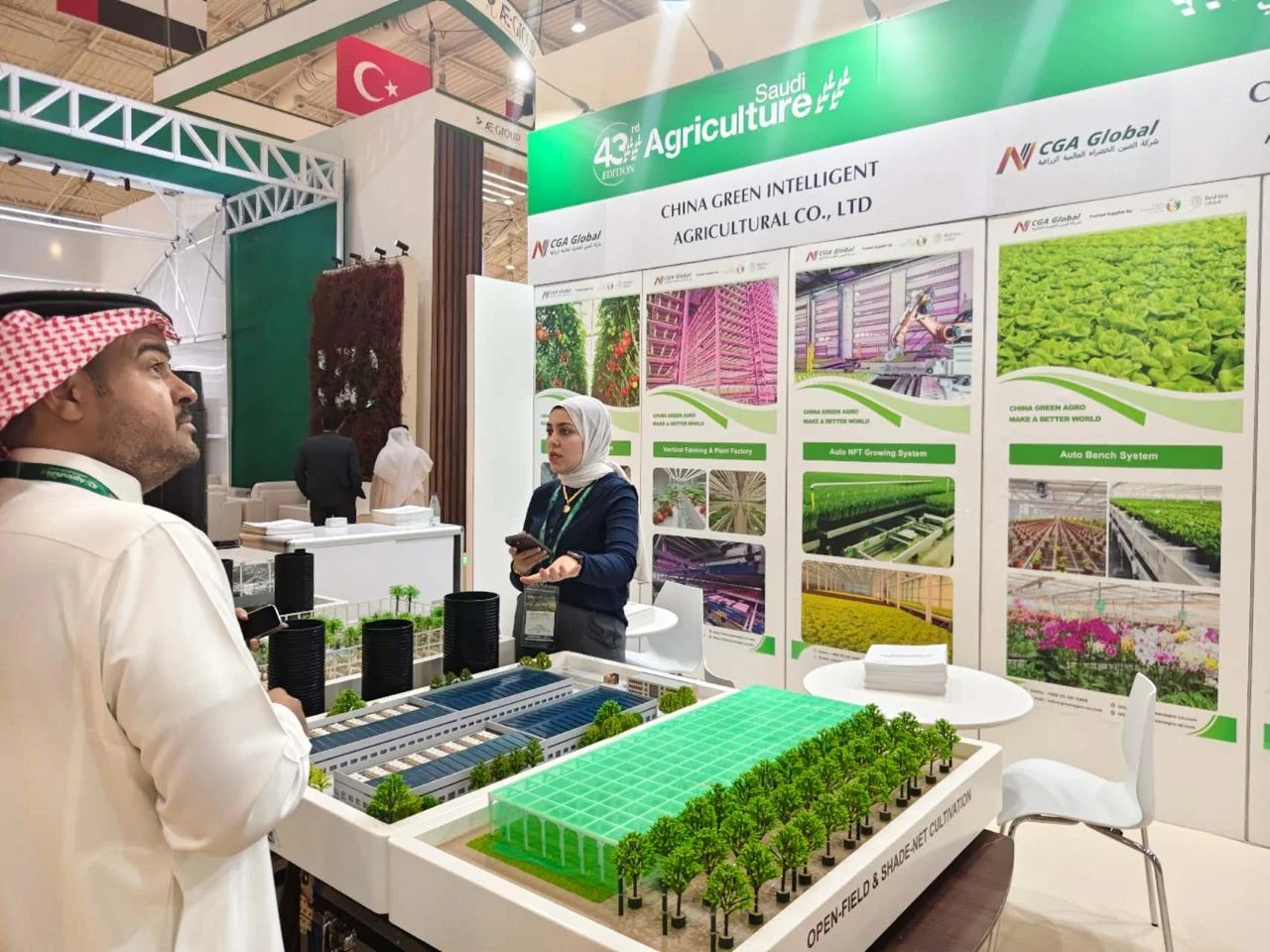
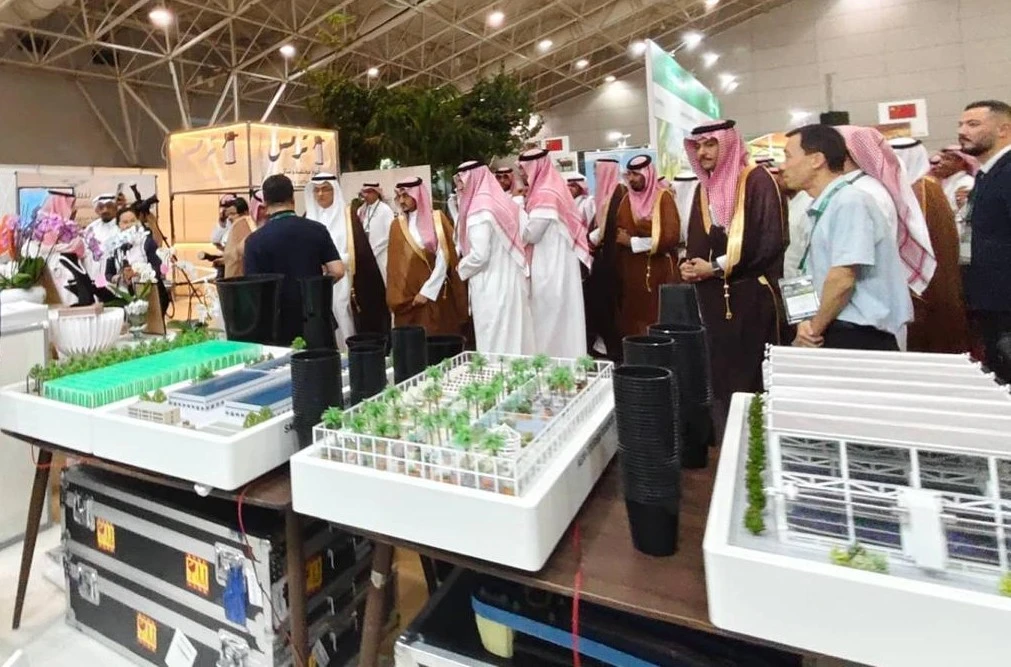
The Minister of Environment, Water and Agriculture Abdulrahman Al-Fadli inaugurated the 43rd edition of the Saudi Agriculture Exhibition in Riyadh on Monday. Held under the theme “An Integrated Agricultural Ecosystem for a Sustainable Future,” the exhibition runs until Oct. 22 and brings together local and international companies from across the sector.
During the opening ceremony, Al-Fadli witnessed the signing of several agreements and memorandums of understanding between government and semi-government entities, private-sector organizations and international companies aimed at supporting agriculture and food production, accelerating the adoption of new technologies and contributing to economic growth.
For Wang Dan, general manager of First Impression Agricultural Company, the future lies in combining local production with reliable cold-chain networks.
She said: “Saudi Arabia's food supply chains are becoming increasingly focused on local production and resilience.”
She said the company’s strategy centered on producing locally while maintaining close coordination with suppliers and customers to respond quickly to shifts in demand and market conditions.
“The company’s approach is to strengthen local production, plan supplies carefully, and maintain close coordination with suppliers and customers, which helps respond to changing conditions and support continuity of supply,” she added.
Wang said refrigerated storage facilities and delivery vehicles played a crucial role in preserving freshness, linking production sites in Al-Kharj with customers across the Kingdom.
“Logistics are being developed around coordinated production, cold storage, and refrigerated delivery, with a focus on improving delivery planning, reducing delays, and minimizing product losses,” she said.
By reducing waste and ensuring a steady flow of locally grown produce, such systems can help keep fresh food available even during periods of disruption, she added.
The same focus on resilience is shaping larger regional food networks.
Ahmed Al-Suwaidi, chief corporate affairs officer at Al Dahra Group, said Saudi Arabia had invested heavily in logistics infrastructure, storage, agricultural technology and food processing as it pursued its Vision 2030 and food security goals.
“The Kingdom is strengthening its position as a leading regional player in building modern agricultural value chains connecting sourcing, storage, logistics, processing, and distribution,” he said.
According to Al-Suwaidi, resilience depends on more than production alone. Diversified sourcing, multiple logistics routes, strategic inventory management and coordination across operations have become essential safeguards against supply disruptions.
He said Al Dahra’s warehousing and storage facilities in Riyadh, Qassim and Jeddah helped position inventory closer to customers nationwide, supported by predictive planning, multimodal transport networks and diversified trade routes.
Strategic reserves remain a key part of the equation. Al-Suwaidi pointed to Al Dahra’s Fujairah Strategic Grain Terminal, which has a storage capacity of around 300,000 tonnes.
He said: “Integrating sourcing, storage, processing, and distribution helps ensure strategic reserves remain accessible, strengthening food system resilience across the GCC and supporting national food security strategies, including Saudi Arabia’s long-term ambitions.”
As Saudi Arabia pushes to build a more self-reliant agricultural sector, industry leaders say the future of food security will depend not only on what is produced, but on how efficiently it can be stored, transported and delivered to consumers across the Kingdom.