- Celestial marker heralds drop in temperature, rise in rainfall
- Has long guided agriculture, grazing, seasonal observations
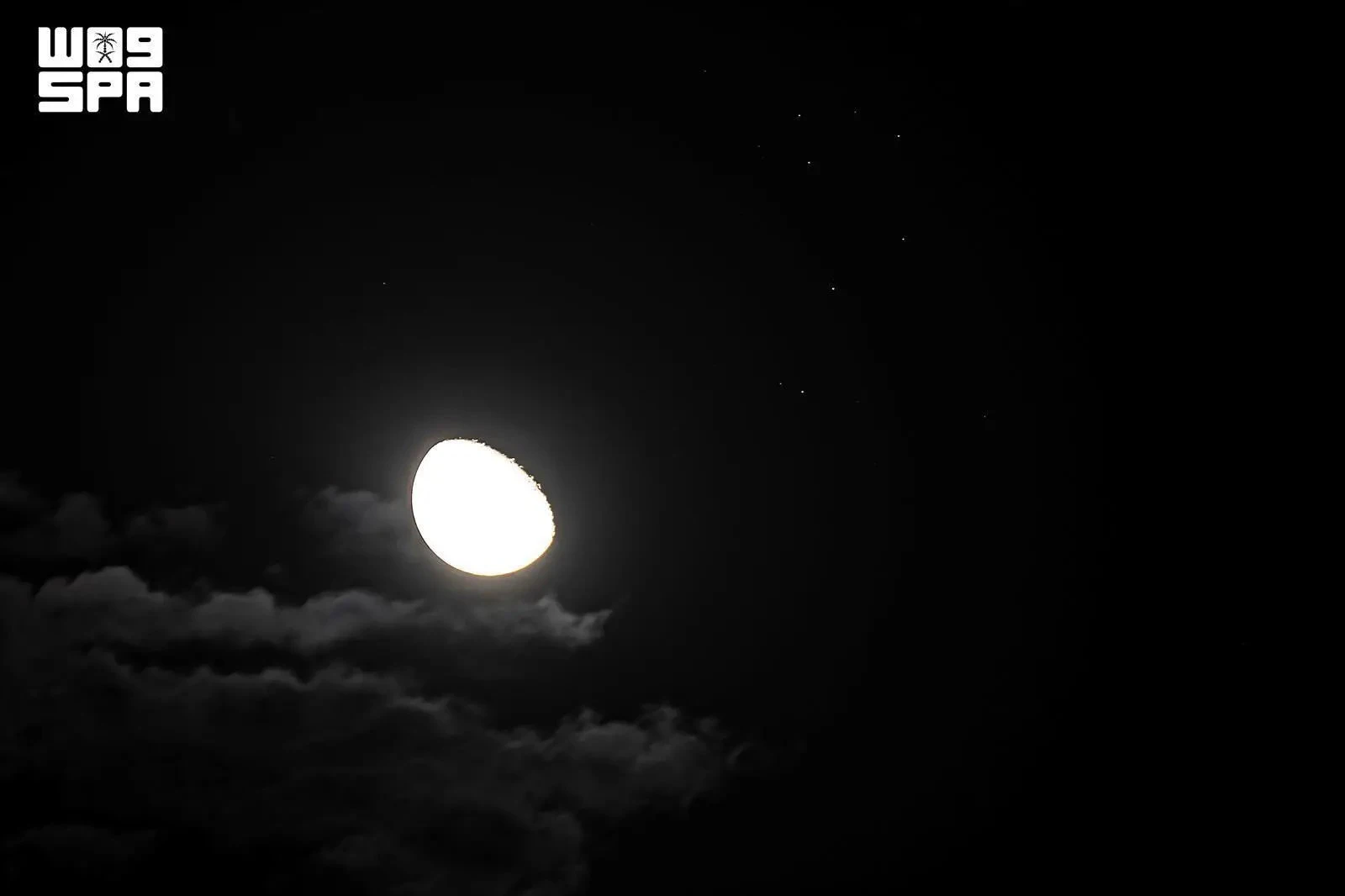
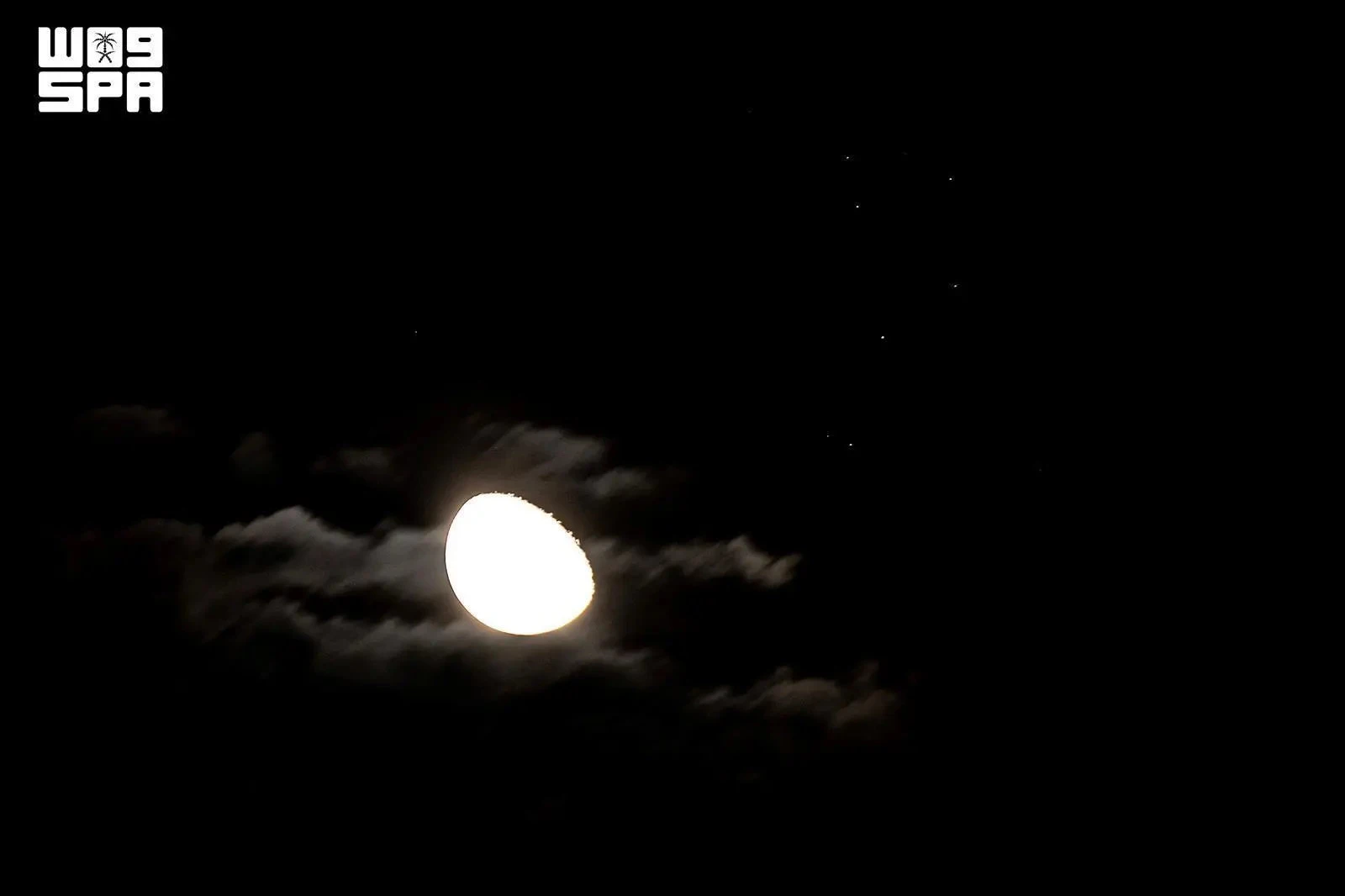
ARAR: A conjunction of the moon and the Pleiades star cluster could be seen in Saudi skies on Wednesday, an astronomical event traditionally associated with what is known locally as Qiran 19 and the start of the cooler Al-Wasm season.
According to Saudi Press Agency reports, the alignment has long served as a seasonal marker for Bedouins and farmers across the Arabian Peninsula. It signals the gradual transition from summer heat to cooler weather and a period of rainfall and vegetation growth.
The first phase of Al-Wasm, known as Wasm Al-Harif, lasts about 27 days. The full season extends for approximately 81 days and is traditionally divided into several periods.
Astronomy Club member Mohammed Al-Hazimi said the conjunction is traditionally known as Qiran 19 and associated with a gradual decline in temperatures.
Traditional observations link the period to the development of rain-bearing clouds from the west and southwest, he said.
Rainfall during Wasm Al-Harif is traditionally regarded as particularly beneficial because it helps germinate spring vegetation and prepare the soil for the emergence of desert truffles, locally known as faq’a.
The seasonal transition also has broader implications for agriculture and the natural environment.
Earlier SPA reports noted that similar moon-Pleiades conjunctions have traditionally helped communities anticipate agricultural cycles, including the ripening and harvesting of dates, grapes and other seasonal crops.
The Pleiades, a prominent open-star cluster, have long featured in Arab astronomical traditions.
Communities historically observed the rising and setting of stars, lunar mansions and other celestial positions to track the seasons, plan planting and grazing activities, and anticipate changes in weather.
Earlier this year, the SPA reported that a moon-Pleiades conjunction known as the Seventh Qiran marked the beginning of the third month of spring and was traditionally associated with moderate temperatures, vegetation growth and the emergence of desert truffles.
Another conjunction reported in August marked the third month of summer, the gradual easing of peak heat and the approach of the rising of Suhail, another prominent seasonal marker in Arab tradition.
A September conjunction was similarly described as signaling the waning of summer heat, with shorter days and longer nights, the ripening of seasonal fruits such as pomegranates, and the passage of migratory birds and raptors.
Beyond their astronomical significance, these celestial markers remain part of the region’s cultural heritage, reflecting generations of close observation of the skies and their relationship to the land, climate and seasonal rhythms.