- For six years, the proud father of the just-graduated civil engineer has not returned to Pakistan
- The family originally hails from South Waziristan, which has one of the lowest literacy rates in the country
WAH CANTT, TAXILA: For the last six years, Saif-ur-Rehman, a daily wage laborer in Saudi Arabia, hasn’t seen his family in Pakistan. But in July this year, the long absence and hard work paid off when Rehman got the news that his son had scored a distinction and the highest marks in his bachelors in civil engineering program.
Rehman is a tribesman from the restive South Waziristan tribal region bordering Afghanistan. Following a military operation by the Pakistan army to stamp militants and anti-state actors out from the area in 2004, Rehman and his family fled their home and have since then lived in a small rented place in Taxila, a town on the periphery of the capital, Islamabad.
In 2013, Rehman left for Saudi Arabia and began working in Riyadh. He has not taken a single vacation since, to save as much money as he can to send home.
“Today, all credit for my son’s brilliant success goes to Saudi Arabia. Here, I am earning a decent amount to support my family and their education back home,” he told Arab News by telephone from Riyadh.
His son, Muhammad Israr Khan, a sharp, well-spoken young man, who is lauded by his classmates and teachers, mirrored his father’s thoughts.

“The credit for my victory straight goes to my teachers, my father and the Kingdom of Saudi Arabia, where my father has been working for the last six years, sending remittances to get me and the rest of my brothers and sisters educated,” Khan, who was enrolled in the Wah campus of COMSATS university, a public sector federally chartered degree awarding institute, told Arab News.
There was a time, he added, when he had to borrow textbooks and pencils from his class mates because he simply couldn’t afford them.
Now, a civil engineer with a bright future ahead of him, Khan said he remembered the bad times, but was grateful his father had made the sacrifices that allowed him to graduate top of his class.
“My father sacrificed his todays for my tomorrow. I feel grateful to countries where people are able to earn a respectable living, and provide such a huge support to poor families to re-build their lives from scratch,” Khan said.
But Khan’s teachers and peers said he had even more to offer the university than a simple academic contribution. He was a leader.
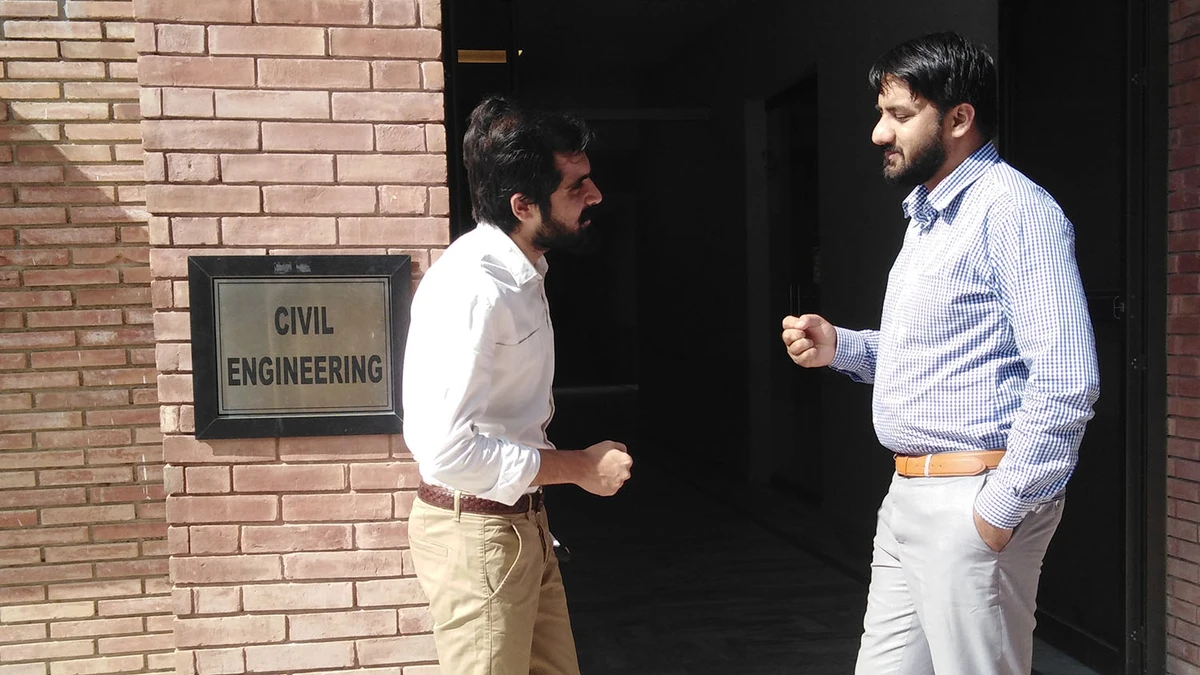
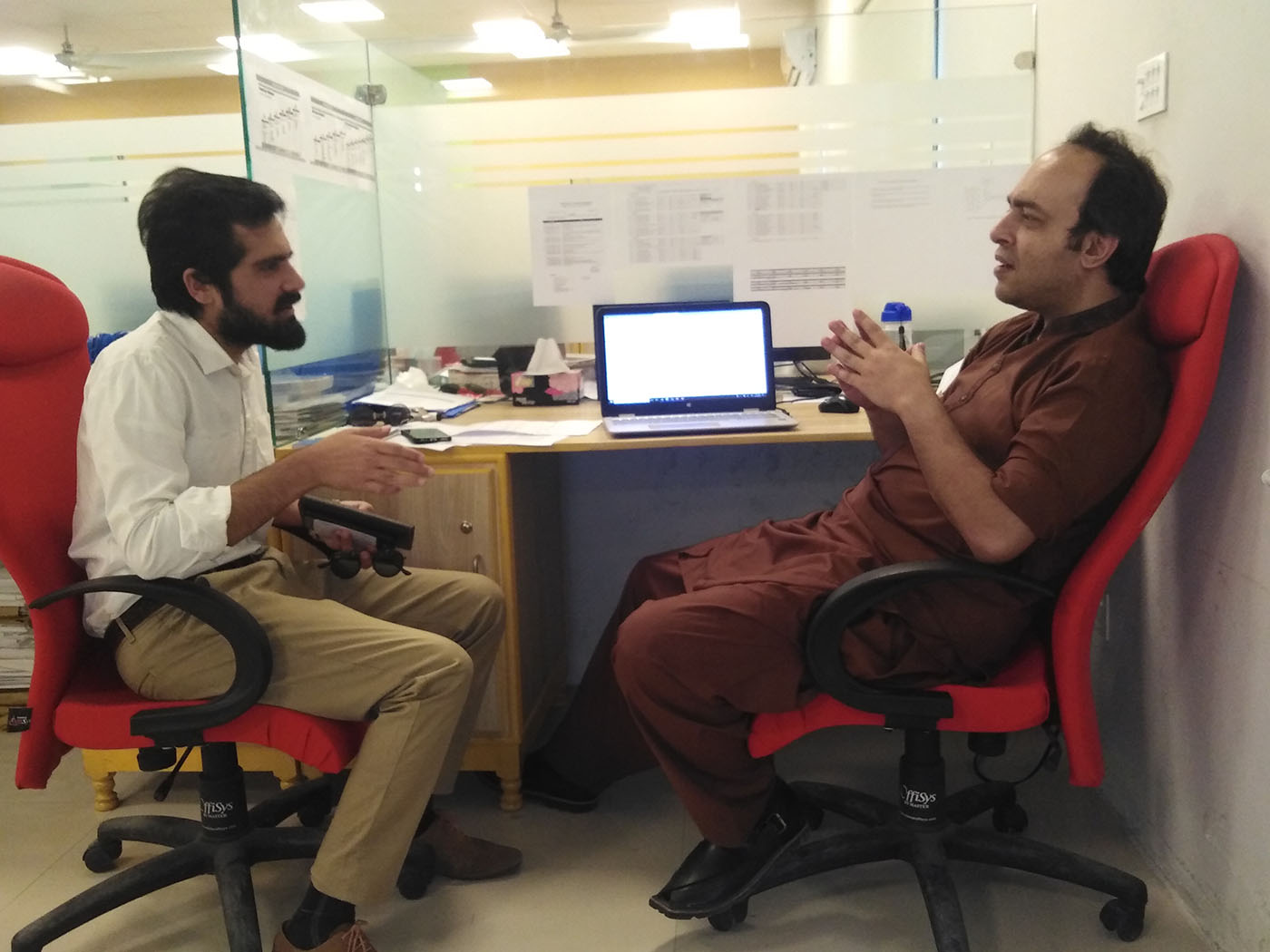
“He used to challenge teachers’ lectures by cross-questioning them,” Dr. Hassan Ashraf, an assistant professor at the civil engineering department of COMSATS, told Arab News with a laugh.
“From the very start, he used to pick things intensely the moment I delivered a lecture,” he said, and added how surprised he was to learn that the department’s most brilliant student was the son of a wage laborer from one of the country’s most underdeveloped regions.

To date, there are no higher education institutes in South Waziristan, which has one of the lowest literacy rates in the country.
“A student from remote South Waziristan near the Afghan border has a distinction today... this is a source of inspiration for others,” Ashraf said.
His classmates too, praise him as a trailblazer, who would supervise group study sessions for other students during preparations for examinations.
Now, Khan said he missed his father desperately, and even though he couldn’t be there to see him graduate with his distinction, he kept hoping they would see each other soon.
“Every time we speak, my father consoles us. He tells us he is coming home next month, or next year,” Khan said, with a smile that belies his sadness.
“And like this, we’ve spent six years apart.”