ISLAMABAD: Afghan Taliban insurgents “do not have any excuse” to continue waging war after President Ashraf Ghani’s proposal to recognize the Taliban as a political party, allow it to open an office in Kabul, issue passports to its members and remove the names of senior commanders from the UN terrorist blacklist, said Pakistan’s National Security Adviser Nasir Khan Janjua.
The Taliban has not issued formal reaction to President Ghani’s latest initiative, but a Taliban political official told Arab News the Afghan leader has ‘skipped’ the real issue — foreign invasion – in his address to the Kabul Process meeting in Kabul on February 28.
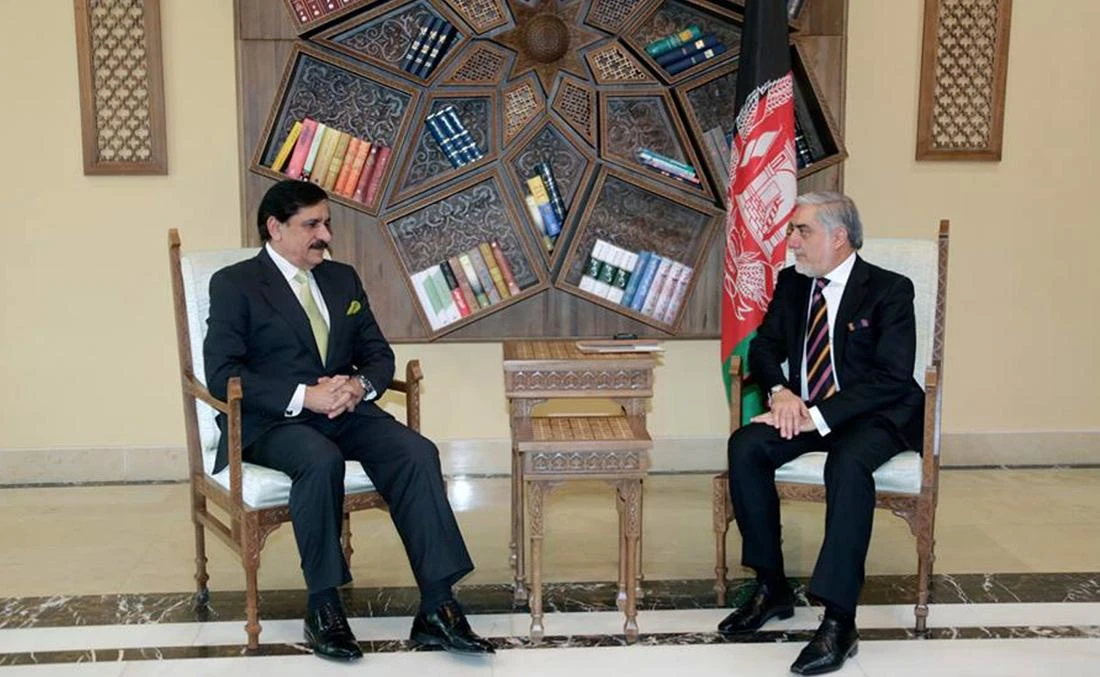
Pakistan National Security Adviser Nasir Khan Janjua, who wrapped up his long-day visit to Kabul Saturday evening, said in a statement issued from his office upon his return on Sunday that he has expressed complete support for the peace offer which was long awaited.
Janjua’s office said he had elaborate and successful meetings with President Ashraf Ghani, Chief Executive Dr. Abdullah Abdullah, his counterpart Haneef Atmar, Minister of Defense and the intelligence chief.
Dr. Abdullah office, in a statement also, quoted the Pakistani NSA as saying “Taliban have no excuse to continue war” after what he described as unprecedented latest peace efforts.
In his statement on return Janjua termed the “peace offer as a light on the other side of the tunnel in a war which had become rather perpetual.”
The Taliban political office referred a query to the group’s spokesman Zabihullah Mujahid declined to offer any comments on Pakistan’s NSA remarks.
Janjua said the Afghan president “desired for a roadmap to be prepared for a comprehensive engagement with Pakistan to carry the relationship further with a leap of faith.”
He confirmed President Ghani also handed over the letter of invitation to him for the Prime Minister of Pakistan and expected him to visit as soon as possible.
Analysts in Pakistan believe the main purpose of the NSA talks in Kabul was to “reduce mistrust” between the two countries.
Imtiaz Gul, head of the Center for Research and Security Studies in Islamabad, says the visit is a major Confidence Building Measure that could “open way for bilateral dialogue.”
“The visit will also underline Pakistan’s push on the Taliban to come to the negotiations table,” Gul told Arab News.
Defense analyst Lt Gen Amjad Shoaib called for more high level interaction between the two countries that will help create understanding on security issues. He termed the NSA visit as a major confidence building measure and that there is a need for high level exchanges.
“There is currently lack on bilateral interaction. Both countries should enhance intelligence sharing and Afghanistan should give up its opposition to the border management and fencing,” General Amjad told Arab News on Sunday.
It is believed that Pakistan is seemed under pressure by the United States to act against the Afghan Taliban and its affiliate the Haqqani Network and the same demand was repeated during the meeting between Prime Minister Abbasi and the US Vice President Mike Pence in Washington on Friday.
“Vice President Pence reiterated President Trump’s request that the Government of Pakistan must do more to address the continued presence of the Taliban, Haqqani Network, and other terrorist groups operating in their country,” a White House statement said after the meeting.
“The Vice President stated that US efforts to eliminate terrorist groups who threaten US security and the stability of the region will continue and noted that Pakistan could and should work closer with the United States,” the statement said.
The Taliban has not issued formal reaction to President Ghani’s latest initiative, but a Taliban political official told Arab News the Afghan leader has ‘skipped’ the real issue — foreign invasion – in his address to the Kabul Process meeting in Kabul on February 28.
Pakistan National Security Adviser Nasir Khan Janjua, who wrapped up his long-day visit to Kabul Saturday evening, said in a statement issued from his office upon his return on Sunday that he has expressed complete support for the peace offer which was long awaited.
Janjua’s office said he had elaborate and successful meetings with President Ashraf Ghani, Chief Executive Dr. Abdullah Abdullah, his counterpart Haneef Atmar, Minister of Defense and the intelligence chief.
Dr. Abdullah office, in a statement also, quoted the Pakistani NSA as saying “Taliban have no excuse to continue war” after what he described as unprecedented latest peace efforts.
In his statement on return Janjua termed the “peace offer as a light on the other side of the tunnel in a war which had become rather perpetual.”
The Taliban political office referred a query to the group’s spokesman Zabihullah Mujahid declined to offer any comments on Pakistan’s NSA remarks.
Janjua said the Afghan president “desired for a roadmap to be prepared for a comprehensive engagement with Pakistan to carry the relationship further with a leap of faith.”
He confirmed President Ghani also handed over the letter of invitation to him for the Prime Minister of Pakistan and expected him to visit as soon as possible.
Analysts in Pakistan believe the main purpose of the NSA talks in Kabul was to “reduce mistrust” between the two countries.
Imtiaz Gul, head of the Center for Research and Security Studies in Islamabad, says the visit is a major Confidence Building Measure that could “open way for bilateral dialogue.”
“The visit will also underline Pakistan’s push on the Taliban to come to the negotiations table,” Gul told Arab News.
Defense analyst Lt Gen Amjad Shoaib called for more high level interaction between the two countries that will help create understanding on security issues. He termed the NSA visit as a major confidence building measure and that there is a need for high level exchanges.
“There is currently lack on bilateral interaction. Both countries should enhance intelligence sharing and Afghanistan should give up its opposition to the border management and fencing,” General Amjad told Arab News on Sunday.
It is believed that Pakistan is seemed under pressure by the United States to act against the Afghan Taliban and its affiliate the Haqqani Network and the same demand was repeated during the meeting between Prime Minister Abbasi and the US Vice President Mike Pence in Washington on Friday.
“Vice President Pence reiterated President Trump’s request that the Government of Pakistan must do more to address the continued presence of the Taliban, Haqqani Network, and other terrorist groups operating in their country,” a White House statement said after the meeting.
“The Vice President stated that US efforts to eliminate terrorist groups who threaten US security and the stability of the region will continue and noted that Pakistan could and should work closer with the United States,” the statement said.