- The bill proposes identities of judges, prosecutors, police officers, witnesses in 'special security' cases shall not be disclosed
- The Punjab provincial government says the legislation is needed to strengthen the fight against militancy and maintain public order
ISLAMABAD: Civil rights organizations and legal experts have raised alarm over a controversial anti-terrorism bill passed by Pakistan's Punjab provincial assembly, warning that its sweeping powers could create "scope for abuse against ordinary citizens, political opponents or protesters in the name of security."
The Punjab Assembly passed the controversial Punjab Anti-Terrorism (Amendment) Bill, 2026 on Monday despite objections and a walkout by opposition lawmakers, following heated exchanges with government members.
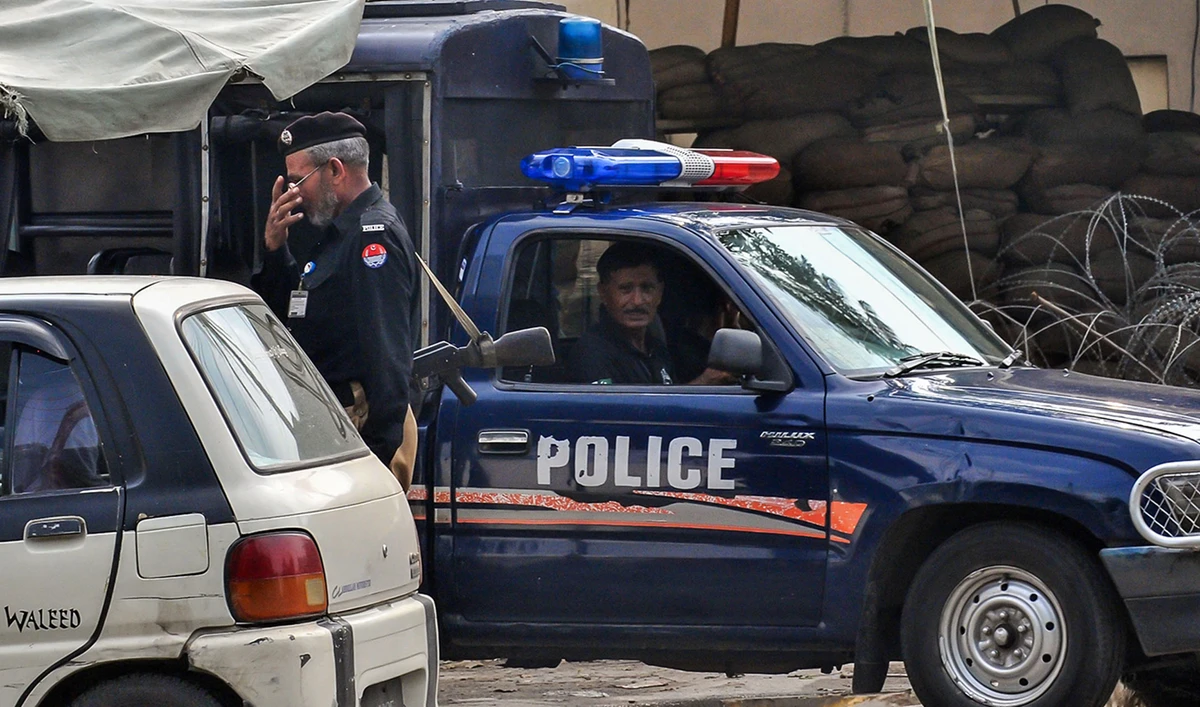
The legislation allows a government-designated officer, whose identity remains confidential, to declare some cases "special security" cases after which the identities of judges, prosecutors, police officers, witnesses and defence counsels may be withheld.
The Punjab government says the legislation is needed to strengthen the fight against militancy and maintain public order as militants and criminals have often walked free due to a lack of witness protection and physical security.
"The Bill does not adequately define the circumstances in which these extraordinary powers may be invoked, creating scope for abuse against ordinary citizens, political opponents or protesters in the name of security," the Human Rights Commission of Pakistan (HRCP) said in an X post on Wednesday.
According to the bill's provisions, judicial orders would carry official titles instead of the judges’ names, while witnesses could be identified through codes issued by a designated authority. The proceedings could be held at secure premises or conducted through video links, including from prisons. The government would also be allowed to adopt other security measures it considers appropriate.
Reema Omer, a legal adviser to International Commission of Jurists, said the bill has effectively "abolished the right to a fair trial."
"Yet another example of our assemblies making a complete mockery of fundamental rights in the name of 'security' and 'extraordinary circumstances'," she said on X.
In its statement, the HRCP said while it is legitimate to protect judicial and investigative personnel from genuine threats, the need for such sweeping measures was not established.
"The secrecy they impose raises serious concerns... The Bill also reflects a broader pattern of invoking security justifications to expand state power at the expense of fundamental rights," it said.
"We call for the Bill to be reconsidered and brought into conformity with constitutional and international fair-trial guarantees. Moreover, any security measures must be narrowly defined and subject to independent judicial oversight."