- Museum in Quetta houses artifacts from one of region's earliest settled farming communities
- Preservation project was carried out under the US Ambassadors Fund for Cultural Preservation
ISLAMABAD: A museum dedicated to Pakistan's ancient Mehrgarh civilization is set to reopen later this month following the completion of a US-funded preservation project in southwestern Balochistan province, the American embassy said on Saturday.
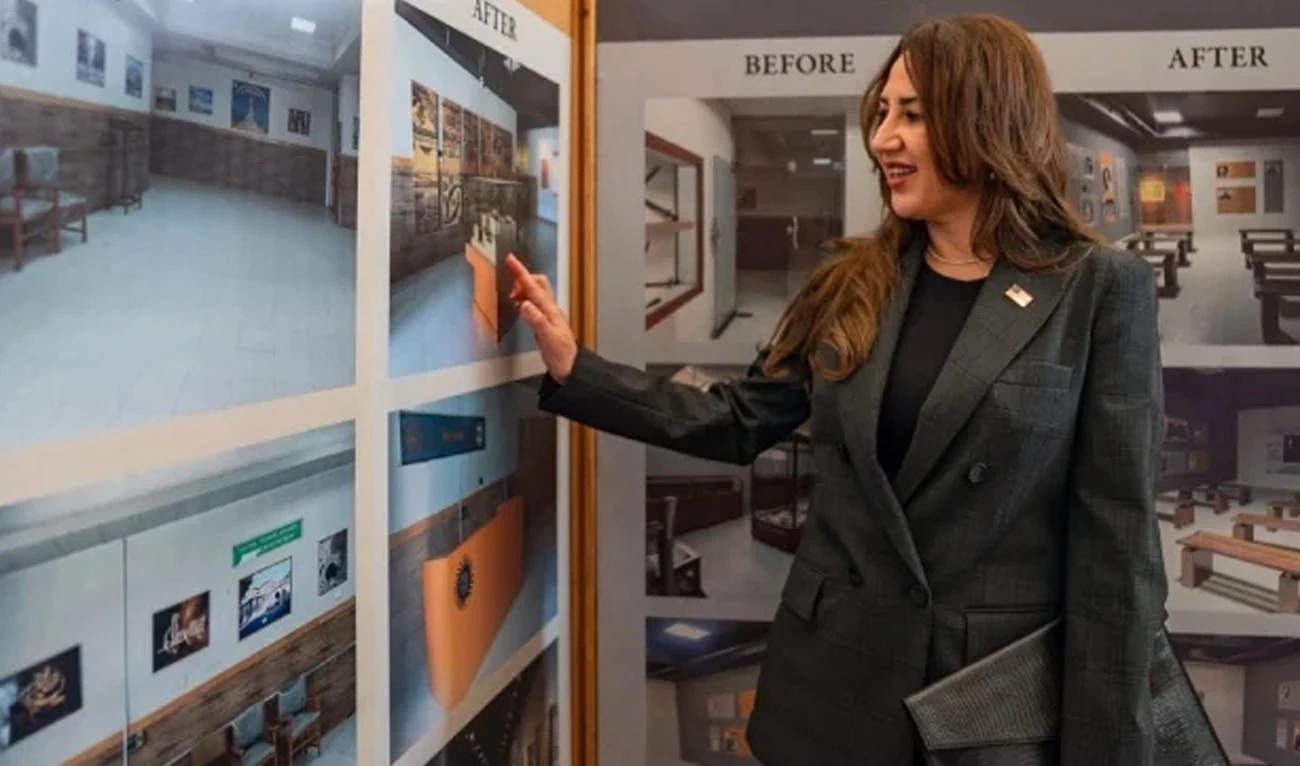
The Mehrgarh Museum in Quetta houses archaeological artifacts associated with one of South Asia's earliest settled farming communities. The restoration project, funded through the US Ambassadors Fund for Cultural Preservation, is the first undertaken by the program in Balochistan, extending its reach to all four Pakistani provinces.
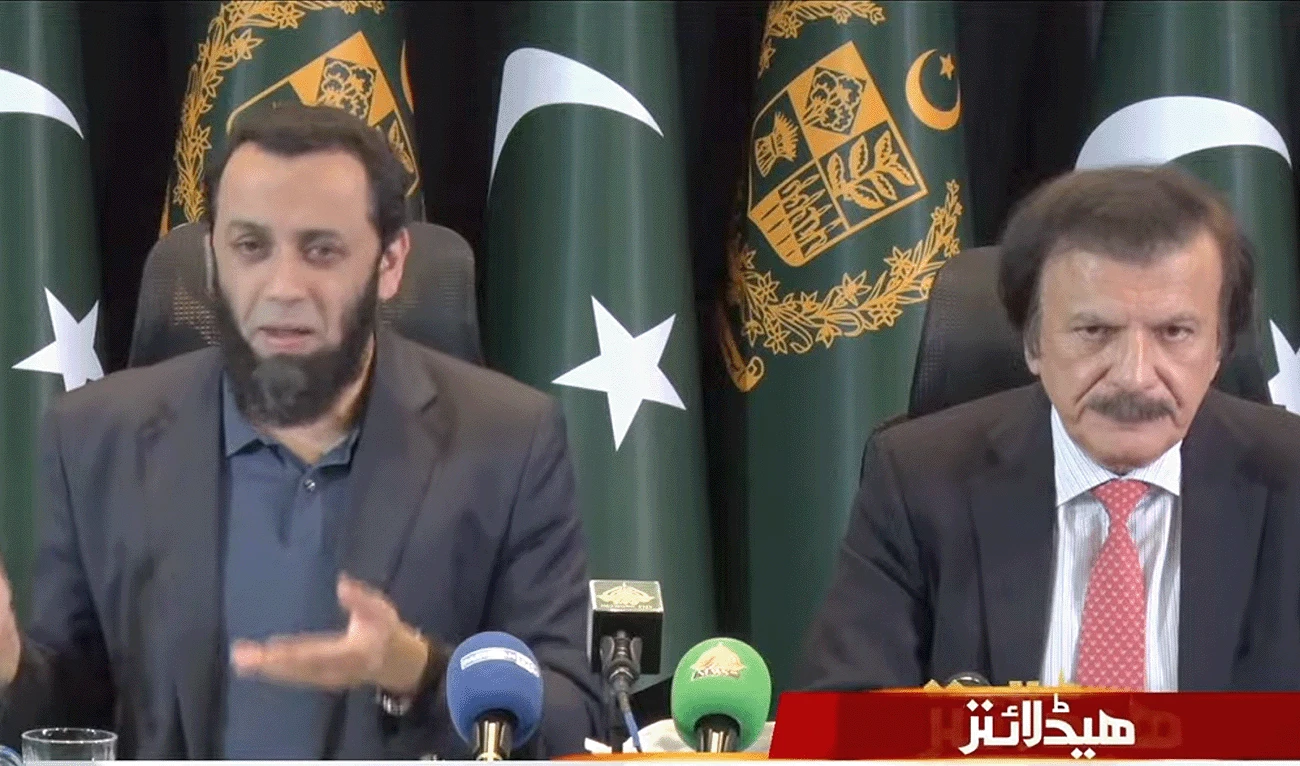
US Chargé d’Affaires Natalie Baker joined Balochistan Parliamentary Secretary Nawabzada Mir Muhammad Zarain Khan Magsi and heritage experts IN Karachi on Saturday to mark the completion of the project, which involved preserving Neolithic artifacts, upgrading museum displays and training local conservation professionals.
“Today, we are thrilled that, through American excellence in museums and heritage preservation, the Mehrgarh Museum of Balochistan will showcase the 8,000-year-old Mehrgarh civilization and many others,” Baker said, according to a statement issued by the US Embassy after the event.
Mehrgarh, an archaeological site in Balochistan's Kachi Plain, is among the earliest known farming settlements in South Asia, with evidence of agriculture, animal domestication and permanent habitation dating back thousands of years.
The site provides important evidence of the transition from hunting and gathering to settled agricultural life, offering insights into the development of early communities in the region long before the emergence of the Indus Valley Civilization.
The preservation project was implemented in partnership with the Sindh Exploration and Adventure Society and the Balochistan Culture Department.
According to the embassy, it involved conserving ancient archaeological collections, upgrading museum curation to international standards, expanding community outreach and training local heritage professionals to ensure the long-term protection of artifacts.
“Together, the United States and Pakistan are making real progress in protecting this remarkable legacy,” Baker said.
During Saturday's ceremony, Baker, Magsi and project leaders Dr. Asma Ibrahim and Dr. Kaleemullah Lashari unveiled a commemorative plaque that will be installed at the entrance to the museum in Quetta.
The embassy said the museum was expected to officially reopen later this month but did not announce a date.