- Policy proposes export incentives, tariff cuts and penalties for automakers missing local production targets
- Electric vehicle tax breaks await IMF approval as government plans levy on conventional cars to offset costs
ISLAMABAD: Pakistan on Saturday announced plans for a sweeping new automotive policy targeting $6 billion in cumulative exports over five years, offering incentives to manufacturers that expand overseas sales while proposing lower production costs, cheaper cars and tax breaks for electric vehicles.
The policy seeks to transform an industry long protected by high import tariffs but criticized for limited exports, expensive vehicles and insufficient local manufacturing. Pakistan is trying to boost exports and industrial employment while managing pressure on its foreign exchange reserves and reducing its dependence on imported fuel.
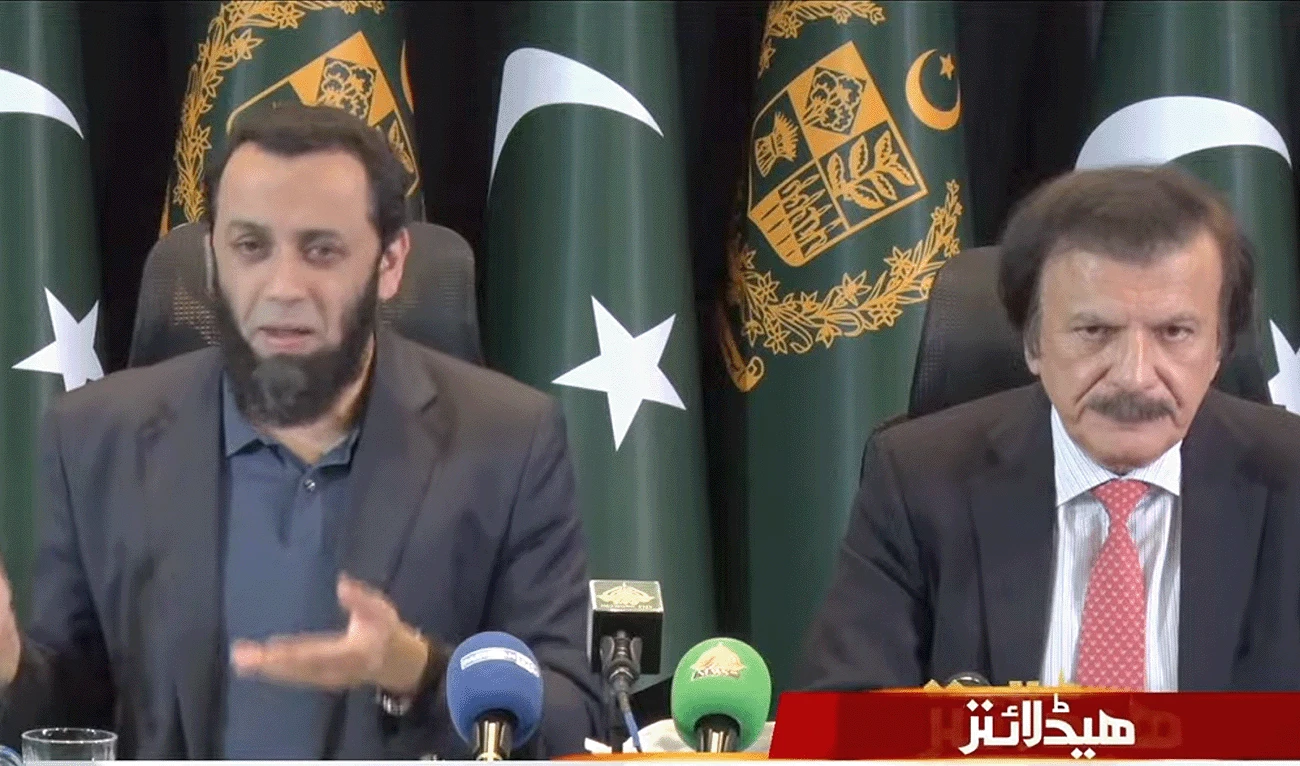
Haroon Akhtar Khan, the prime minister’s adviser on industries, said the government was targeting $6 billion in cumulative automotive exports over the next five years, equivalent to an annual average of $1.2 billion, compared with around $200 million exported in the last fiscal year.
He added manufacturers would face penalties if they failed to meet export and localization targets.
“We have been making policies for 10 years, but our exports have not increased,” he told a televised news conference in Islamabad, adding that the government had placed particular emphasis on exports and domestic production.
Akhtar said the policy had been finalized following consultations with industry stakeholders, but still required federal cabinet approval.
Under the proposed policy, manufacturers will receive a 5 percent rebate on exports through the government’s drawback of local taxes and levies scheme, with an additional incentive of 10 percent linked to increases in export performance.
“If they do not achieve their local manufacturing targets, they will not only face a penalty but will also lose their export rebates,” he said.
The government also plans to gradually reduce customs duties on imported automotive components, raw materials and completely knocked-down kits used to assemble vehicles locally, bringing tariffs down over five years.
Akhtar said the duty reductions would lower manufacturing costs, particularly for smaller vehicles aimed at middle- and lower-middle-income consumers, while luxury vehicles would not benefit from the same price reductions.
“Vehicle prices will come down gradually,” he said.
ELECTRIC VEHICLES
The policy also proposes significant incentives for electric vehicles as Pakistan seeks to reduce its reliance on imported petroleum, which exposes the economy to fluctuations in international oil prices.
Akhtar announced proposed sales tax rates of 1 percent for fully electric vehicles, 6 percent for range-extended electric vehicles and 9 percent for plug-in hybrids, with the concessions limited to vehicles priced below $50,000.
“This is subject to the approval of the IMF,” he said, referring to the International Monetary Fund, adding that the government wanted to accelerate the transition to electric vehicles rather than wait another two decades.
Pakistan is implementing an IMF-supported economic reform program that requires it to maintain fiscal discipline and strengthen revenue collection, making the proposed tax concessions dependent on the lender’s consent.
To offset the revenue impact, Akhtar said the government would introduce an automotive development levy on vehicles powered by conventional internal combustion engines, while exempting those with engine capacities of 1,000cc or less.
The levy would help finance electric vehicle incentives, export rebates, research and development and support for local automotive parts manufacturers, he said.
The government also plans to raise the financing ceiling for electric vehicles to Rs10 million and extend repayment periods from three to five years.
Qualifying electric vehicles priced below $50,000 would also be exempt from federal excise duty, withholding tax and capital value tax, while more expensive vehicles would remain subject to the normal tax regime.
To encourage investment in charging infrastructure, the policy proposes reducing sales tax on charging equipment to 1 percent and eliminating customs duties. It also envisages financial support to bridge the gap between the cost of establishing charging stations and their initial commercial returns.
The policy also introduces mandatory localization requirements and 45 additional vehicle safety and quality standards, while prohibiting manufacturers from collecting more than 20 percent of a vehicle’s price as an advance booking payment.
Information Minister Attaullah Tarar, speaking at the same news conference, criticized decades of protectionist policies that he said had failed to deliver sufficient innovation or improvements in vehicle quality.