- Pakistan says privatization could attract investment, expertise and efficiency in business infrastructure
- Pakistan’s broader privatization program includes power distribution companies, banks and airports
ISLAMABAD: Pakistan’s government is working to privatize 17 state-owned enterprises, the chairman of the Privatization Commission said on Thursday, stressing the move could enhance investment, expertise and efficiency into businesses and infrastructure in the country.
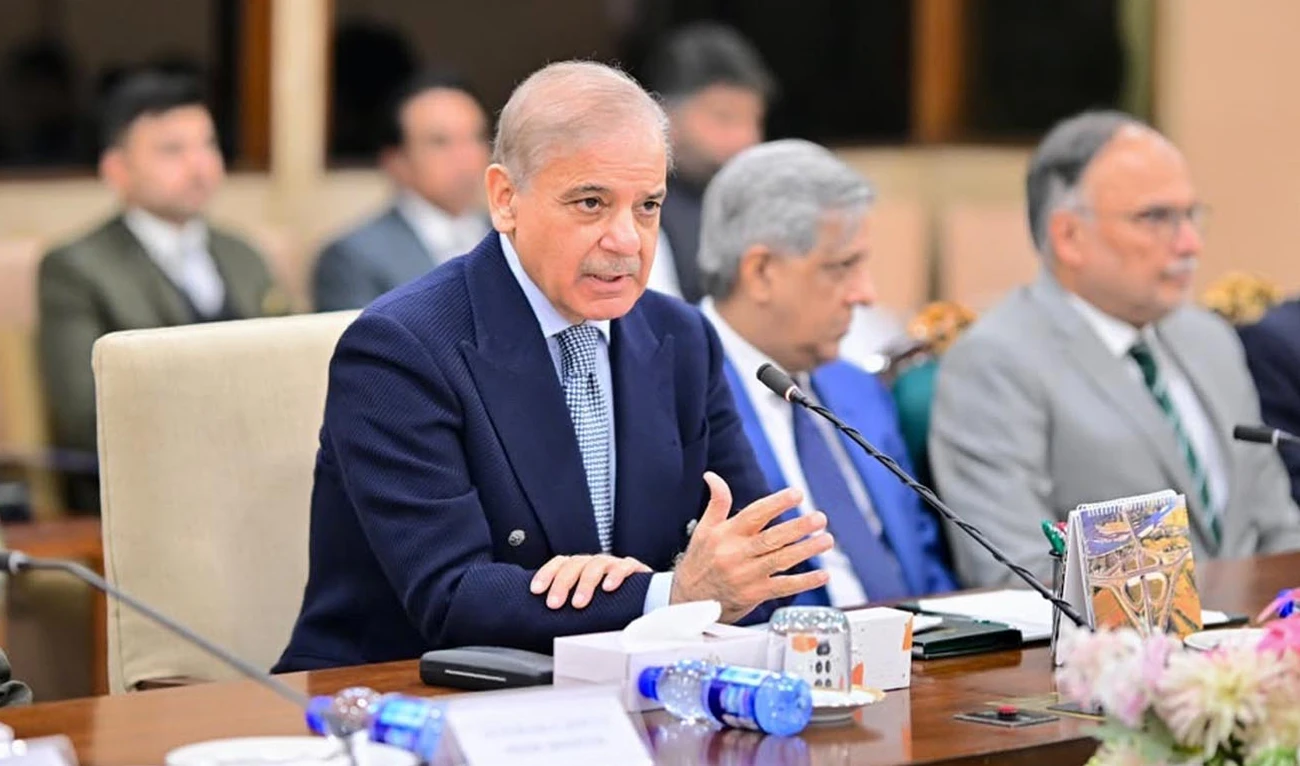
Prime Minister Shehbaz Sharif’s government seeks to privatize loss-making state-owned enterprises (SEOs), especially after the multi-billion-dollar sale of its former flag carrier Pakistan International Airlines in December 2025. Islamabad has sought to hand over these assets to private companies ensure better management, allocation of resources and to stop its finances from bleeding billions of dollars every year. SOEs reported losses of Rs905 billion [$3.24 billion] in 2023, Rs851 billion [$3.04 billion] in 2024 and Rs832 billion [$2.98 billion] in 2025, according to Pakistan’s finance minister.
Pakistan’s broader privatization program, in line with the International Monetary Fund’s (IMF) recommendations, includes power distribution companies, banks, airports, insurance companies and other assets. Pakistan has already issued expressions of Interest to privatize three state-owned electricity distribution companies, offering 51 percent to 100 percent equity stakes alongside management control.
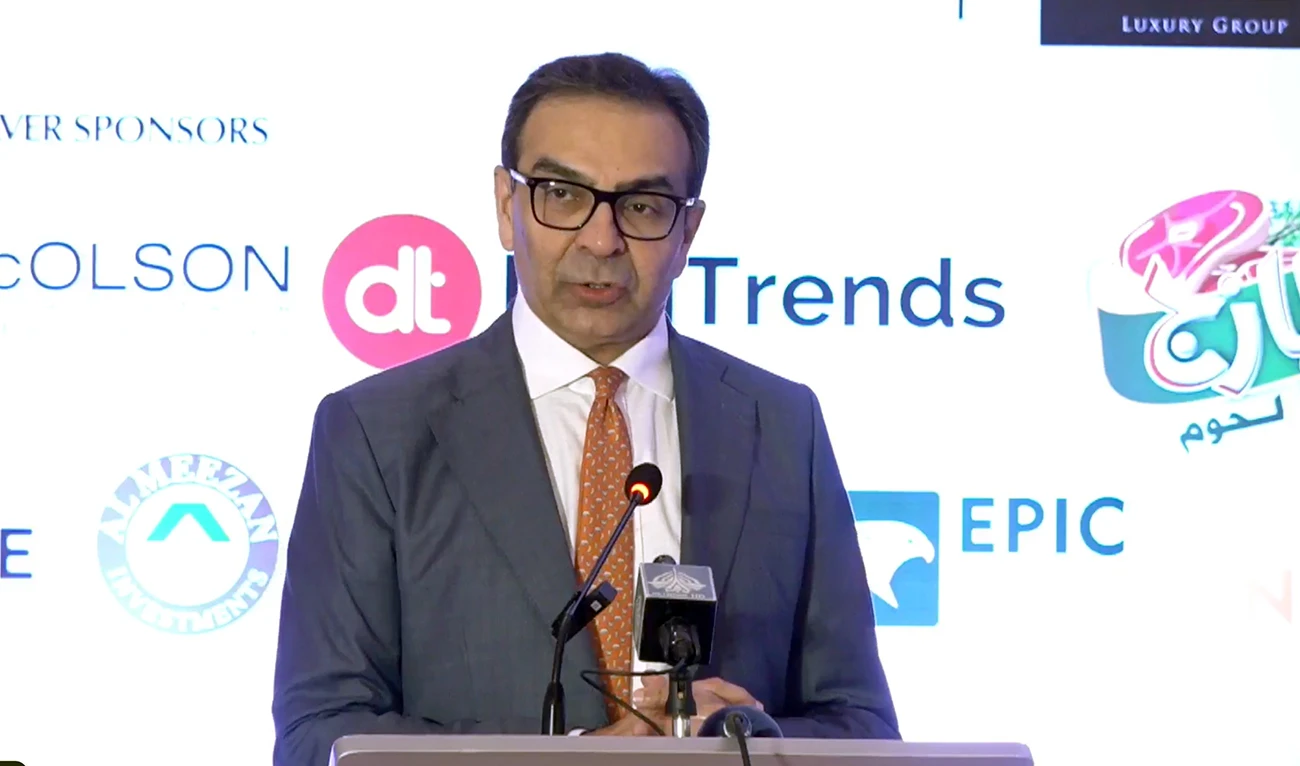
Speaking at a conference attended by businesspersons in Islamabad, Privatization Commission Chairman Muhammad Ali highlighted energy reforms, economic documentation and state-owned enterprise restructuring among the government’s key priorities.
“He said the Privatization Commission was working on the privatization of 17 state-owned enterprises, including nine power distribution companies, as well as the outsourcing of three major airports and transactions involving banks and insurance companies,” the commission said in a statement.
Ali said privatization and public-private partnerships could bring investment, expertise and efficiency into businesses and infrastructure. This, he said, would allow public resources to be directed toward essential services.
The official called for increasing Pakistan’s exports, noting that the country received approximately $41.6 billion in workers’ remittances in the previous fiscal year compared with $30 billion in goods exports.
He acknowledged the importance of remittances, saying that long-term growth required stronger production and higher-value exports.
“He also called for greater foreign investment, support for start-ups and industry-focused technical and vocational training,” the Privatization Commission said. “Expanding women’s participation in the workforce, he added, was important for improving productivity and economic competitiveness.”
Pakistan’s privatization push comes at the back of its efforts to ensure sustainable economic progress after a prolonged macroeconomic crisis that drained its foreign exchange reserves and triggered a balance of payments crisis in 2023.