- Freedom Network documents 97 violations, including 13 legal actions and 32 threats of litigation
- Pakistan government has repeatedly denied seeking to suppress journalism, says it supports free media
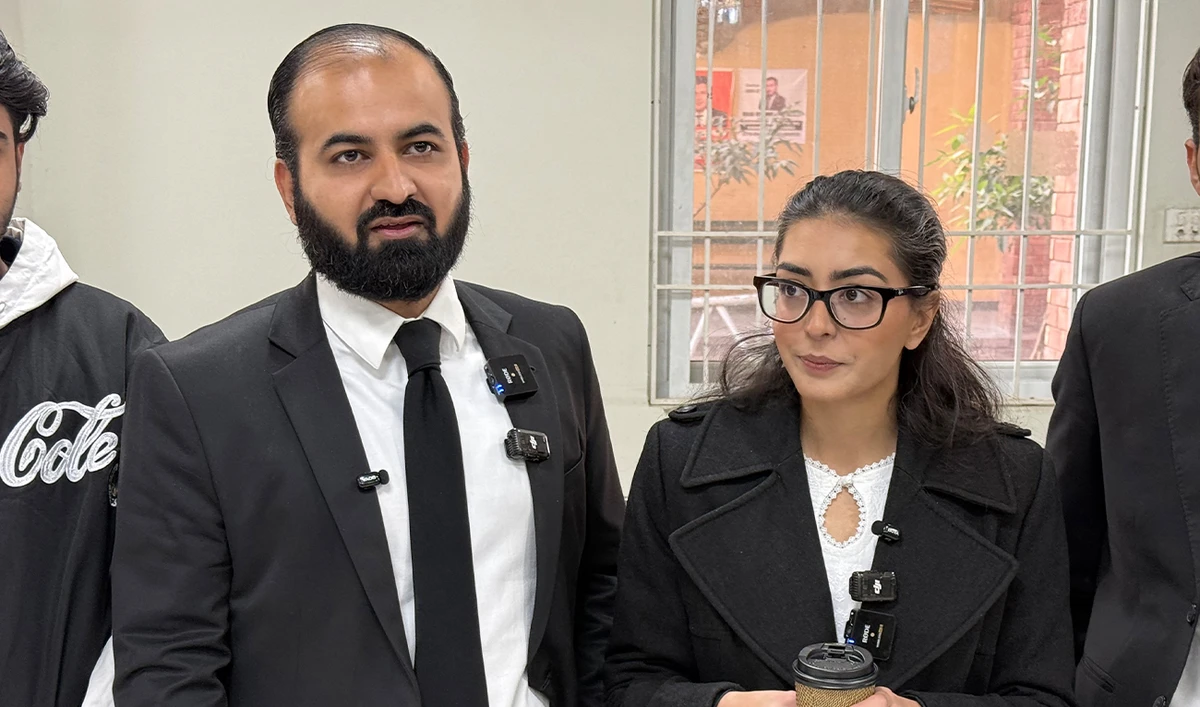
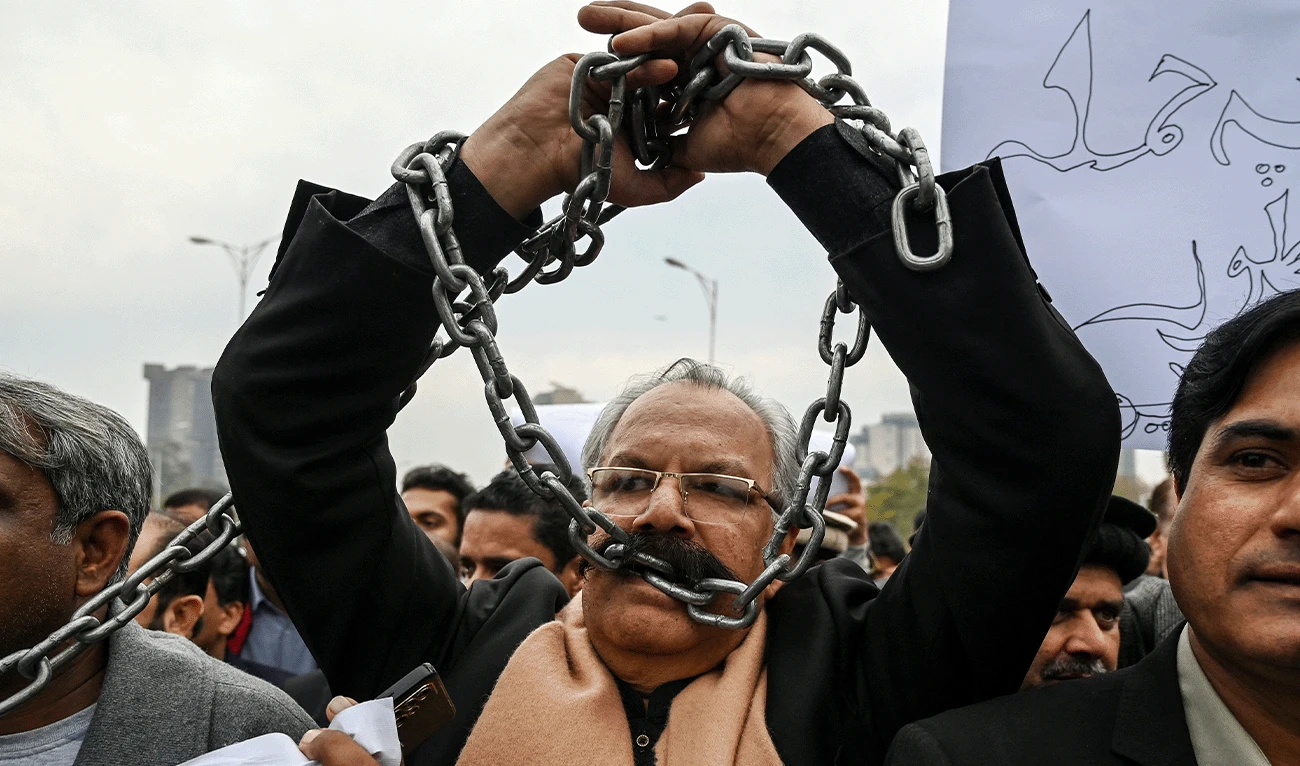
ISLAMABAD: Pakistani journalists face a “legal siege” in which cybercrime investigations, detention and prolonged court proceedings punish public-interest reporting even without convictions, media watchdog Freedom Network said in a report released on Thursday.
The findings highlight pressure on journalists covering corruption, public spending and official conduct, with the watchdog warning that the financial and professional costs of defending their work encourage self-censorship and deprive citizens of information.
Pakistan expanded its cybercrime legislation in January 2025, introducing prison terms of up to three years for disseminating information deemed false or fake. Journalist organizations like Human Rights Watch say they threaten freedom of expression while Pakistan’s government has repeatedly denied seeking to suppress journalism, saying it supports a free and responsible media. It defends tighter regulation of online content as necessary to curb false information and protect public order and national security.
“Even without a confirmed FIR or conviction, summonses, device scrutiny, travel, legal costs, detention, repeated hearings and reputational harm make the process itself punitive,” Freedom Network said in its Annual Impunity Report 2026.
“Relief is commonly limited to bail or procedural protection rather than final vindication.”
The report, titled “From Violence to Lawfare: Process as Punishment for Journalists,” documented 97 attacks and other violations against journalists and media institutions between October 2025 and August 2026.
These included one work-related killing, three attempted assassinations, 18 threats of murder or harm, 11 assaults, 13 legal actions and 32 threats of legal action. The latter two categories together accounted for nearly half of the documented violations.
Freedom Network said the Prevention of Electronic Crimes Act and its enforcement by the National Cyber Crime Investigation Agency were central to the pressure on online journalism.
Its analysis of selected cases described a recurring sequence of complaints, investigative notices, questioning, criminal cases, arrests and bail proceedings. Allegations concerning defamation, false information or reputational harm were repeatedly pursued through cybercrime procedures, including when journalists were reporting on matters of public interest.
Digital journalists were the most frequently targeted group, accounting for 36 documented cases, followed by television journalists with 33 and print journalists with 27.
Punjab, Pakistan’s most populous province, accounted for 49 cases, followed by Khyber Pakhtunkhwa with 19, Islamabad with 11 and Balochistan with 10.
Victims or their families identified government authorities and officials as alleged instigators in nearly two-thirds of cases, the report said. Those allegations represent accounts recorded by the watchdog rather than judicial findings.
Although the total number of documented violations was lower than in the previous monitoring cycle, Freedom Network said the severity and geographic spread of incidents showed that fewer recorded cases did not necessarily mean journalists were safer.
The watchdog also criticized shortcomings in institutions established to protect media workers, describing the federal protection mechanism as effectively dysfunctional and the provincial commission in Sindh as having limited reach outside Karachi.
It called for safeguards governing investigative notices, arrests and the seizure of journalists’ devices, alongside legal assistance, adequately funded protection bodies and accountability for officials who misuse legal procedures.
The report was released ahead of the International Day to End Impunity for Crimes against Journalists, observed on November 2. Its findings draw on cases documented through a network of press-club safety hubs and cross-checked with journalists, families, unions and media organizations. Freedom Network cautioned that its dataset was not exhaustive.