- Insist amount to be reimbursed is Rs300bn, while officials place it at Rs150bn
- Unable to reap the benefits of market access from China, several traders say
KARACHI: As a measure to instill more confidence in the country’s business and trading community, the government is looking at issuing a “negotiable financial instrument” to all exporters seeking a refund, Dr. Farrukh Saleem, spokesman on Economy and Energy issues, told Arab News on Thursday.
“The negotiable financial instrument would enable exporters to get cash from banks when they present the instrument [to them] and the government will pay the banks,” Dr. Saleem said, adding that the proposal was still under review.
Pakistan’s exporters have been pushing for reimbursements which they say were promised to them by the government under various tax heads, including duty drawback, sales tax, and more.
Dr. Saleem said that the government acknowledges this fact and agreed to refund the amount because “it is their money which has not been paid for the past several years.” He added that the exact amount to be reimbursed, however, continues to remain a matter of dispute.
“Exporters’ Rs300 billion are stuck up with the government. They are unable to invest to increase capacity building to meet new demands,” Shabir Ahmed Pakistan, Chairman of Bedwear Exporters’ Association, told Arab News on Thursday.
An amount which Dr. Saleem disputes. “The amount is Rs150 billion. This is the amount told to me by the Ministry of Finance, but if they (exporters) claim it is Rs300 billion, they will have to prove it,” he added.
Developing the export and import sector featured heavily on Prime Minister Imran Khan’s agenda during his recent visit to China, with the premier successfully closing the trip by securing $1 billion worth of market access from Beijing’s leadership.
In a recent interview with Arab News, Adviser for Commerce, Textile, Industry & Production and Investment, Abdul Razak Dawood had discussed plans to meet with the country’s exporters to etch out plans in order to increase the exports from Pakistan, specifically by making optimum use of the market access offered by China. However, the country’s exporters said that the plans seemed a distant reality as the traders continue to face a liquidity crunch due to the government’s failure to reimburse their cash.
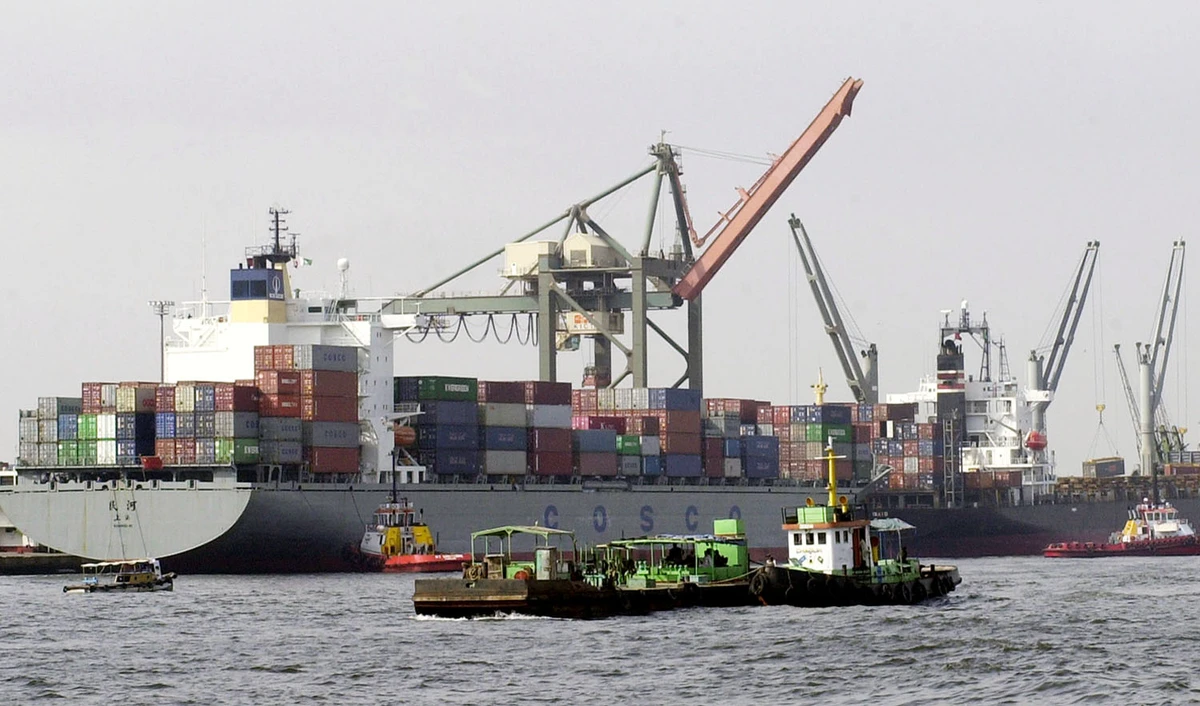
Pakistan is one of the major exporters of textile products, with the country shipping $13.5 billion worth of goods during the fiscal year 2018.
“We will have to wait for the final list of the items that China will allow to import under the market access program. If they allow products in which Pakistan is stronger, such as home textile and allied products, then Chinese demand could be easily met,” Massod Naqi, a leading exporter and former chairman of Pakistan’s readymade garments’ manufacturers’ and exporters’ association, said.
China imported $1.8 trillion worth of goods in 2017 and is one of the major importers of leather and its by-products.
“We export leather products to China but it would not be possible to enhance exports in immediate terms and the market will gradually adjust itself,” Fawad Ijaz Khan, patron-in-chief of Pakistan’s leather garments’ manufacturers and exporters association, said.
“Our refunds are more than our capital in hand. That situation has created a liquidity crunch and we are unable to make any new investment to enhance production capacity,” he added.
However, exporters of fruit and vegetables were optimistic that they would soon be able to increase the market share in China. “There exist bright chances for the betterment of the horticulture trade between the two countries and availing opportunity under the CPEC project. Export of Pakistani fruits, vegetables, and value-added products can be enhanced to $1 billion”, Waheed Ahmed, Vice President of Federation of Pakistan Chambers of Commerce and Industry (FPCCI), said.
Economists, on their part, urged authorities to seek concessions from China in order to increase exports under the market access initiative. “At present China’s benchmarking and quality of products is far higher than those of Pakistani products. Pakistani producers are unable to compete with their Chinese counterparts due to cost-effectiveness,” Dr. Bilal Ahmed, a senior economist, told Arab News.
“We can achieve even more than a billion dollar market access, provided the Chinese help us in upgrading our production capacity with technological help,” he added.
China, the world’s second-largest economy, currently imports only 0.1 percent of its products from Pakistan, data released by the FPCCI showed.
Moreover, the existing Sino-Pak trade is mostly in Beijing’s favor as, during the fiscal year 2018, Pakistan exported $1.75 billion worth of goods, while China exported $11.47 billion worth of goods to Pakistan, State Bank of Pakistan’s data revealed.