- Islamabad says dialogue and diplomacy remain essential to regional peace
- Weekend attacks marked first significant US-Iran fighting in more than a month
ISLAMABAD: Pakistan urged the United States and Iran on Tuesday to abide by an interim peace agreement it helped broker in June, saying its implementation was the “only way forward” after renewed fighting between Washington and Tehran ended a month-long lull in hostilities.
Pakistan has been mediating between the two sides for months after fighting began in February and disrupted shipping through the Strait of Hormuz, one of the world’s most important routes for oil and gas supplies. Pakistani officials helped broker the Islamabad Memorandum of Understanding (MoU) before it unraveled weeks later.
The interim agreement called for a cessation of hostilities, Iran to reopen the Strait of Hormuz to commercial shipping and an end to a US naval blockade of Iranian ports, among other measures.
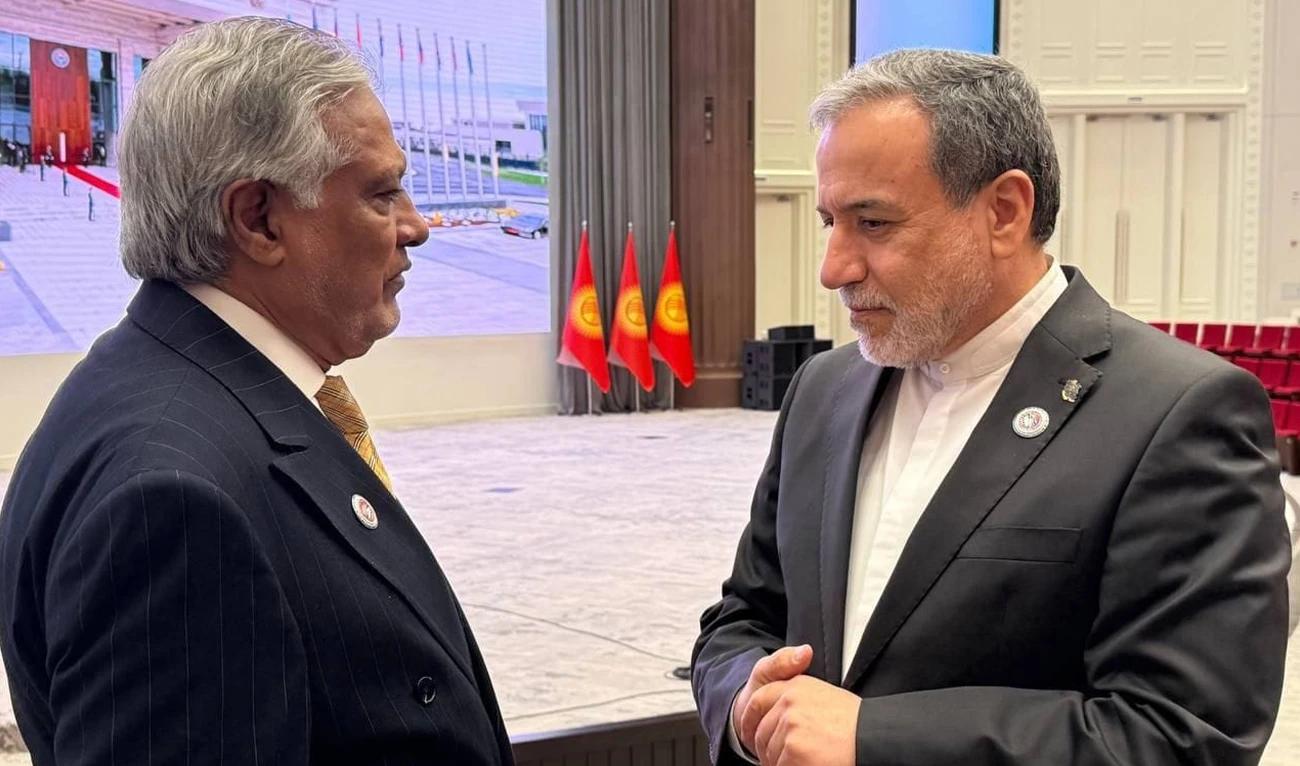
Deputy Prime Minister and Foreign Minister Ishaq Dar renewed the call for both countries to return to the peace framework during a meeting with his Iranian counterpart Abbas Araghchi on the sidelines of a Shanghai Cooperation Organization summit in Bishkek, Pakistan’s foreign ministry said.
“Dialogue and diplomacy remain essential to promoting peace and stability in the region, and sincere implementation by both parties to the conflict of the Islamabad Memorandum of Understanding of June 2026 remains the only way forward,” Dar said, according to the ministry.
The meeting came after the US and Iran exchanged attacks over the weekend in their first significant military confrontation in more than a month, raising fresh concerns about an escalation in the Gulf.
US forces struck two rocket launchers on Iran’s Larak Island on Sunday, saying they were preparing to launch mines into the Strait of Hormuz. Iran responded by firing missiles at US sites in Jordan, all of which were intercepted.
The United Arab Emirates said on Monday it had intercepted an Iranian drone over its territorial waters. The UAE called the attack a “dangerous escalation” by Iran.
Iranian President Masoud Pezeshkian said his country was not seeking war but “we will respond decisively to aggressors.”
The latest violence follows Pakistan's mediation efforts between Washington and Tehran, which included hosting the first round of talks between the two sides in April and exchanging peace proposals in the following months before helping broker the Islamabad MoU in June.
Pakistan has continued diplomatic efforts even after the interim peace pact unraveled in July, trying to revive the understanding and repeatedly calling for a negotiated settlement between Washington and Tehran.
Prime Minister Shehbaz Sharif made a similar appeal during a meeting with Pezeshkian in Bishkek on Monday.
Sharif emphasized restraint and sustained diplomatic engagement after the weekend exchange of attacks, while Pezeshkian appreciated Pakistan’s diplomatic efforts for regional peace and security, according to the Pakistani prime minister’s office.
Dar and Araghchi on Tuesday also discussed bilateral relations and regional developments and reaffirmed the importance of continued engagement, the foreign ministry said.
With input from AP.