- Dar speaks with Araghchi amid renewed diplomatic push following US midterm elections
- Iran engages Oman, Saudi Arabia, Qatar and Russia as uncertainty persists over conflict
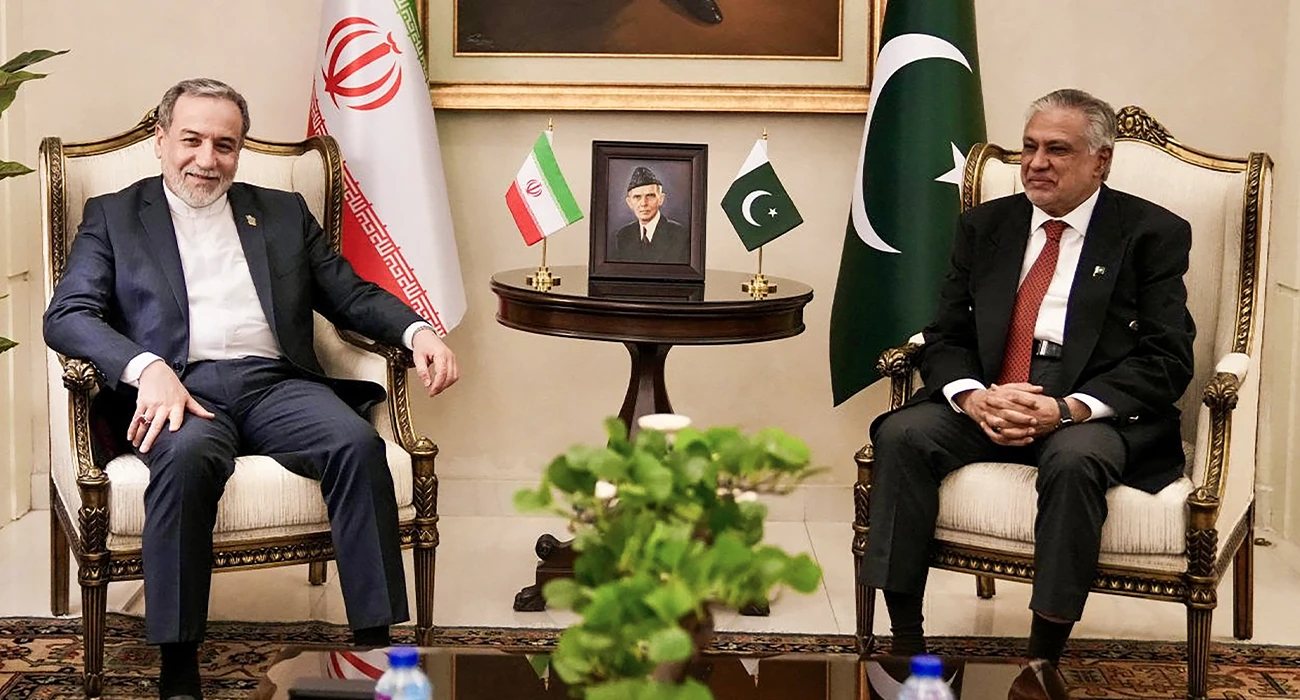
ISLAMABAD: Pakistan’s Deputy Prime Minister and Foreign Minister Ishaq Dar called for sustained diplomacy to resolve regional tensions in a telephone conversation with his Iranian counterpart Abbas Araghchi on Thursday, as diplomatic activity intensified following US midterm elections that dealt a major setback to President Donald Trump.
The conversation came amid a flurry of regional contacts involving Iran, Oman, Saudi Arabia and Qatar, alongside high-level talks in Moscow, where Iran’s Supreme National Security Council Secretary Mohsen Rezaei met Russian President Vladimir Putin, as governments stepped up diplomatic efforts to restore stability to the Middle East.
“Active and sustained diplomatic efforts remain essential to achieving lasting peace, security and stability in the region,” Pakistan’s Foreign Office said in a statement describing Dar’s conversation with Araghchi.
It said the two ministers exchanged views on recent regional developments, with Dar emphasizing the importance of dialogue and constructive engagement by all parties to resolve outstanding issues.
The diplomatic activity follows Tuesday’s US midterm elections, in which Democrats won control of both chambers of Congress, dealing a major blow to Trump’s Republican Party amid public frustration over the war with Iran and its economic consequences.
Iranian officials interpreted the results as a rejection of the conflict, with Parliament Speaker Mohammad Bagher Ghalibaf, who has played a leading role in negotiations with Washington, saying Americans had voted against the war.
US Vice President JD Vance also blamed the conflict for the Republican defeat, while Senate Democratic leader Chuck Schumer called for an end to the fighting and said Congress could use its control over government spending to constrain further military action.
Trump, however, has defended his decision to launch the war, leaving uncertainty over whether the election results will translate into a change in Washington’s approach toward Tehran.
Iran’s foreign minister on Thursday held separate telephone conversations with his counterparts from Oman, Saudi Arabia and Qatar amid the renewed diplomatic activity, discussing regional developments and the latest efforts aimed at restoring stability.
Dar also spoke with Omani Foreign Minister Badr bin Hamad Albusaidi earlier in the day, calling for diplomacy to address the regional crisis.
Pakistan has played a mediation role in the US-Iran conflict, hosting direct talks between American and Iranian officials in Islamabad in April and helping broker a ceasefire after weeks of fighting.
The diplomatic efforts culminated in the signing of the Islamabad Memorandum of Understanding on June 18 by the US and Iran, with Prime Minister Shehbaz Sharif endorsing the interim peace agreement as mediator.
The arrangement was intended to restore navigation through the Strait of Hormuz and ease the US naval blockade, but subsequent hostilities and disagreements prevented Washington and Tehran from reaching a lasting settlement.