- Pakistan invites bids for two spot LNG cargoes for delivery in December and January
- Spot LNG prices have surged to $34 per MMBTU, raising fears of higher energy costs
ISLAMABAD: Pakistan has invited international bids for two liquefied natural gas (LNG) cargoes for December and January to meet winter demand as disruptions to Qatari supplies and an attack on a Pakistan-bound tanker near the Strait of Hormuz deepen concerns over energy shortages, a senior petroleum ministry official said on Thursday.
The move comes as Pakistan faces growing uncertainty over its LNG supplies after QatarEnergy suspended production and declared force majeure in March following attacks on its facilities during the US-Iran conflict in the Middle East.
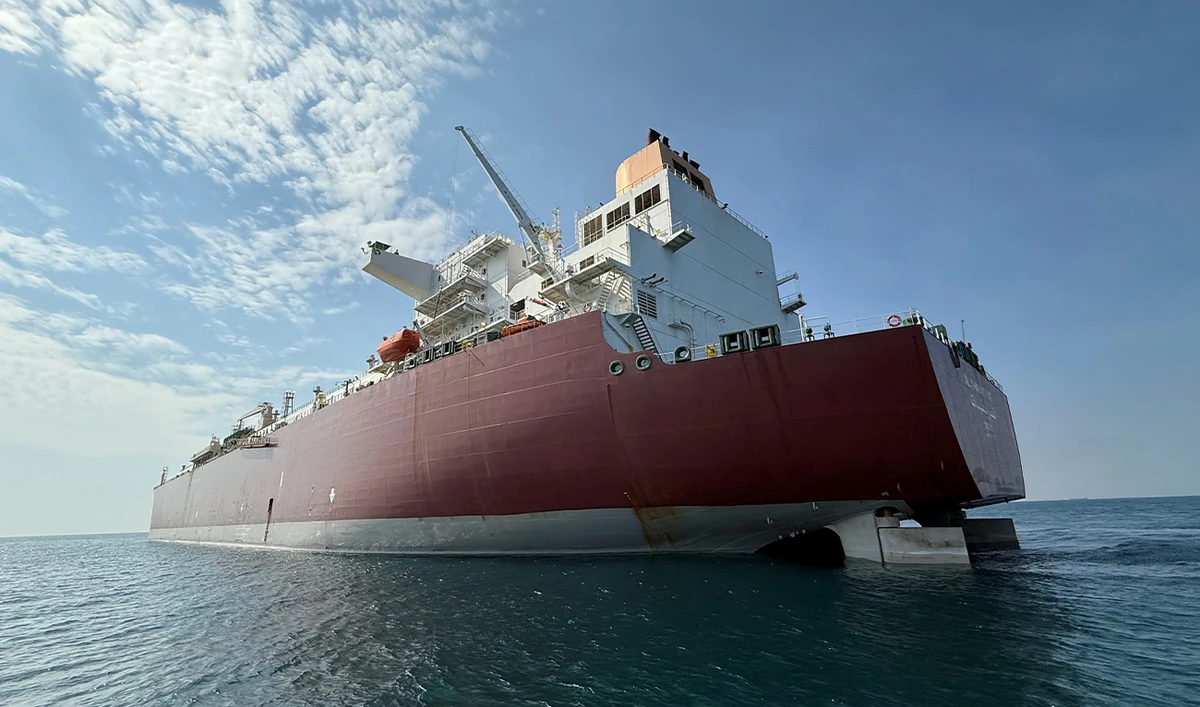
Despite the disruption, Pakistan continued receiving limited supplies from Qatar through diplomatic efforts until October. However, the latest attack on the LNG carrier Al Mayeda, which was transporting Qatari gas to Pakistan, has added to concerns about the country’s winter energy supplies.
Pakistan normally receives an average of nine LNG cargoes per month from Qatar under two long-term government-to-government agreements signed in 2016 and 2021 and relies heavily on imported gas to meet demand from power generation, industry and households.
“Pakistan LNG Limited (PLL) has issued tenders seeking supplies from international LNG trading companies, with bids due by Friday,” the official told Arab News on condition of anonymity because he was not authorized to speak to the media.
The official said the bids would be evaluated on technical and commercial grounds before authorities decide whether to proceed with the purchases.
International spot LNG prices have surged to around $33 per million British thermal units (MMBTU), more than double the approximately $14 per MMBTU Pakistan was paying under its long-term arrangements with Qatar.
Muhammad Saad Ali, head of research at Lucky Investments Limited, said replacing disrupted Qatari supplies through the spot market would significantly increase Pakistan’s energy import costs.
“If we are unable to get supplies from Qatar, then LNG is getting very expensive in the spot market, so we will have to import very expensive cargoes,” Ali told Arab News.
He said Pakistan previously imported around seven to nine LNG cargoes a month, warning that delays in securing replacement shipments could worsen supply shortages during the winter.
Ali warned that higher procurement costs could either increase gas prices or add to the government’s financial burden if the additional costs were not passed on to domestic consumers.
“If the cost is not passed on to domestic consumers, it might cause an issue in the circular debt build-up,” he said.
He said Pakistan could also be forced to reduce or suspend gas supplies to industries and divert available supplies to households during the winter months.
Textiles, chemicals and glass manufacturing could be among the sectors most affected because several industrial units depend heavily on gas and have limited alternative fuel options.
“Some industries could switch to other fuels, although this would increase their operating costs and potentially reduce production,” he added.
Ali said increased domestic gas production and supplies from recently discovered fields could partly offset the shortfall but would not be sufficient to replace all lost LNG volumes.
He warned that households could also face below-normal supplies during winter, while industries could experience significant reductions in gas allocations.
Meanwhile, Sui Southern Gas Company Limited (SSGC) Chairman Asif Inam said Pakistan would have to pay substantially more for spot LNG compared with its previous contractual supplies.
“It will be very expensive gas. The physical market is $33 to $34 per MMBTU. Under the agreement, we were buying at around $14 per MMBTU, so we are paying double,” Inam told Arab News.
He expressed hope that the US-Iran conflict would end soon, allowing Qatar to resume normal supplies to Pakistan.
“We hope the war may end soon and the crisis will be over for Pakistan as our contract still stands with Qatar,” he said.
Inam said SSGC would not face major supply difficulties even if it received only one LNG tanker, adding that the company was currently maintaining full gas supplies to industrial consumers.
He said supplies to domestic consumers had been restricted to meal times to manage available gas resources.
Pakistan’s LNG procurement difficulties come at a time when winter demand typically rises, particularly from households using natural gas for heating and cooking.