- Petrol falls to Rs352.59 per liter, diesel to Rs382.25 under revised rates effective Friday
- Brent crude plunges nearly 9 percent as US midterm results raise hopes of Iran peace deal
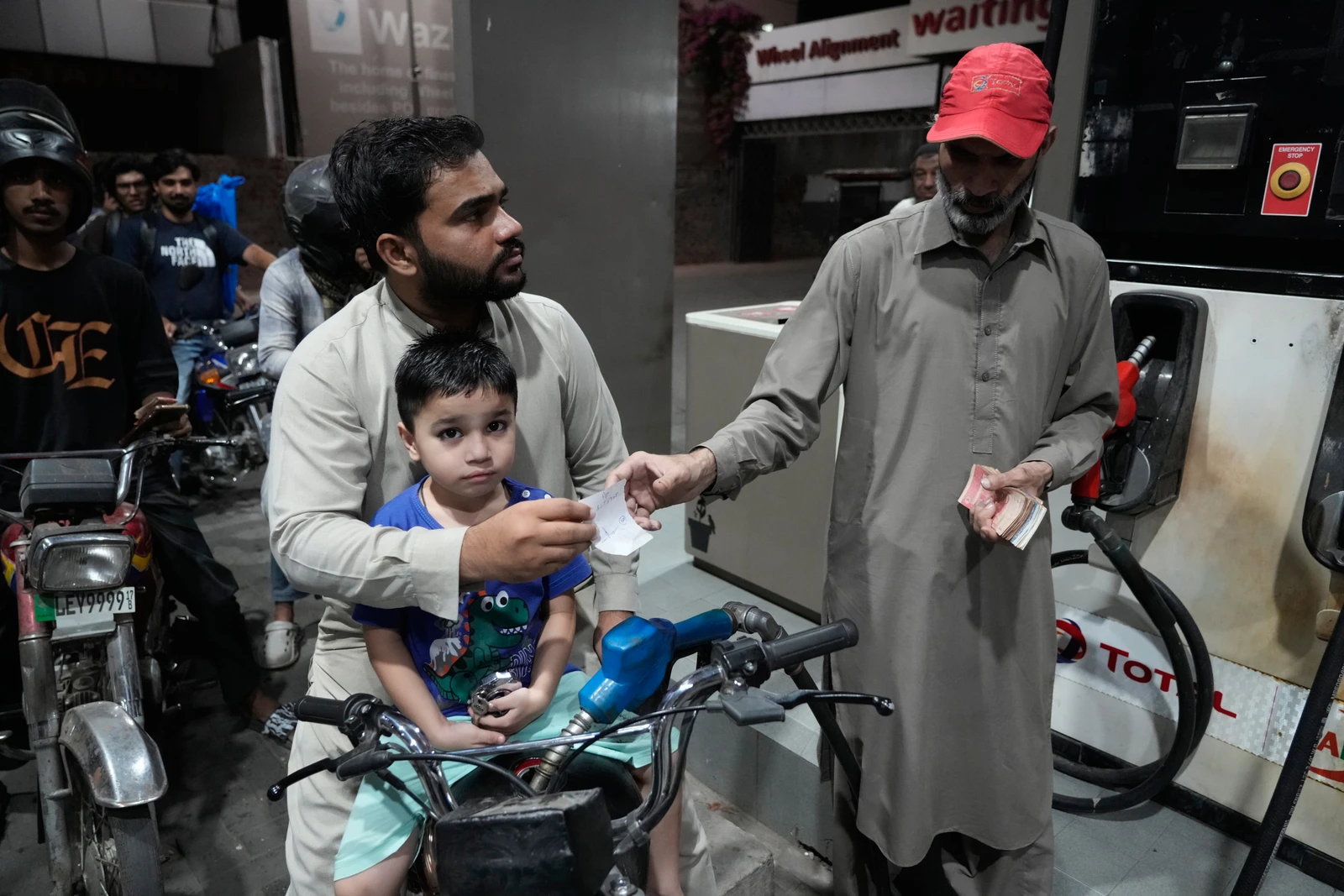
ISLAMABAD: Pakistan reduced petrol prices by Rs9.41 per liter and high-speed diesel by Rs5.56 per liter on Thursday, providing relief to consumers as global oil prices fell sharply following US midterm elections that raised hopes of an end to the conflict with Iran.
The revised prices, effective Friday, come amid volatile international energy markets, where crude oil fell to its lowest level in more than two months on Wednesday.
Brent crude futures dropped 8.7 percent to $94.62 a barrel, while US West Texas Intermediate crude fell 8.3 percent to $88.12, according to Reuters, as investors weighed whether the electoral setback for President Donald Trump’s Republican Party could accelerate diplomatic efforts to end the Middle East conflict.
According to a notification issued by Pakistan’s Oil and Gas Regulatory Authority (OGRA), the price of petrol has been reduced from Rs362 to Rs352.59 ($1.26) per liter, while high-speed diesel will cost Rs382.25 ($1.38) per liter, down from Rs387.81.
“Based on the petroleum products pricing mechanism approved by the Federal Government, the revised ex-depot prices of petroleum products (Rs./liter), effective November 06, 2026, are as follows,” the regulator said in its notification before listing the revised prices.
The reductions follow an earlier cut announced on Wednesday, when authorities lowered petrol prices by Rs7.06 and diesel by Rs3.71 per liter.
Pakistan, which depends heavily on imported petroleum products and crude oil, has faced rising energy costs since the US-Iran conflict disrupted shipping and fuel supplies across the Middle East earlier this year.
Wednesday’s oil price plunge followed the Democrats’ victory in both chambers of the US Congress, raising market expectations that Trump could face greater pressure to negotiate an end to the conflict.
Prices remained volatile on Thursday as investors assessed the prospects for diplomacy and the possibility of renewed military escalation.
The Strait of Hormuz, through which a significant share of the world’s oil supplies passes, has been at the center of the disruption, with attacks on shipping and restrictions on maritime traffic affecting energy markets.
Pakistan has also faced disruptions to liquefied natural gas supplies from Qatar and fuel trade with neighboring Iran, adding pressure to an economy already grappling with high energy costs.
The latest reductions offer some relief to motorists and transport operators, although petrol and diesel prices remain substantially higher than levels recorded before the conflict began in February.