- Plan seeks wider public access to government bonds, more retail participation
- Banks hold 78% of government securities, constraining private-sector lending
KARACHI: Pakistan on Tuesday unveiled an International Monetary Fund-backed plan to make it easier for ordinary investors to buy and trade government securities and attract more institutional and foreign buyers, as it seeks to reduce the dominance of banks in its domestic debt market.
The plan meets an end-September structural benchmark under Pakistan’s $7 billion IMF bailout program and comes as a Fund mission is in Islamabad for the fourth review of the facility and the third review of a separate $1.4 billion climate resilience program.
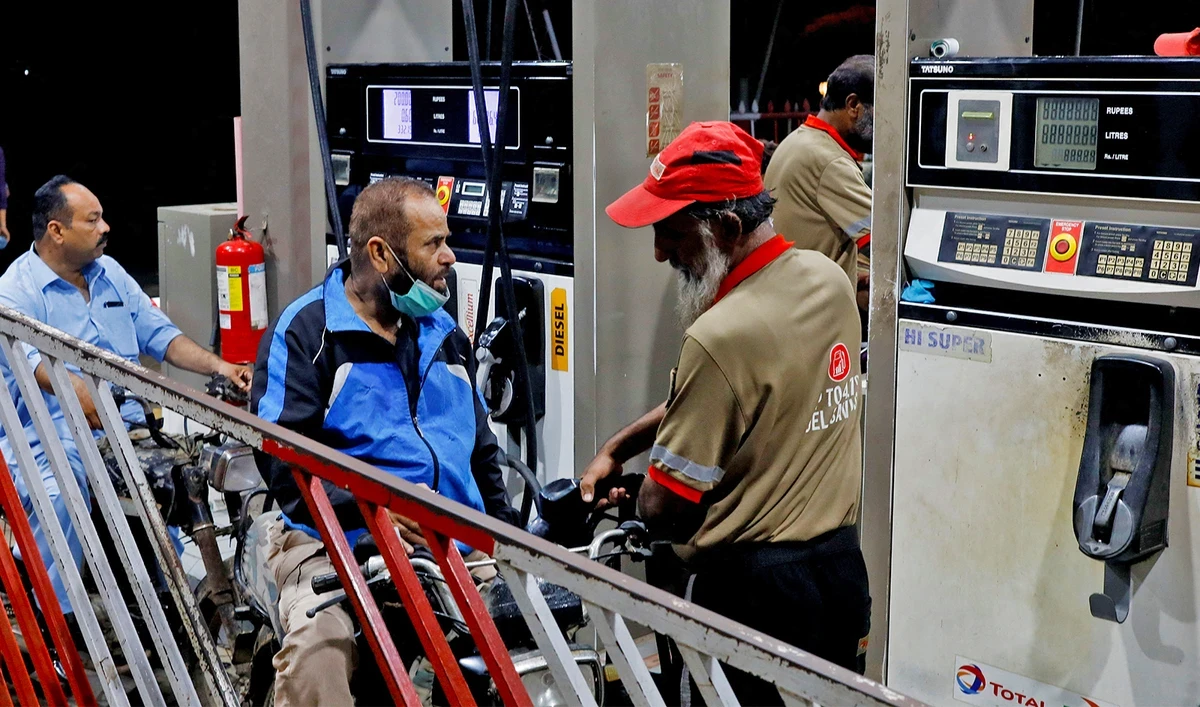
A key part of the strategy is to widen public participation in government securities, including Treasury bills and longer-term bonds, by expanding digital investment channels and making it easier for bank customers to trade securities already listed on the stock exchange.
“Further develop retail channels, such as InvestPak, digital access through brokers and mutual funds, and government bond exchange-traded funds,” the strategy said in the section on diversifying the investor base.
It separately calls on authorities to enable “eligible bank customers to trade exchange-listed government securities through their banks,” with the measure targeted for implementation by December 2027.
Individuals can already invest in government securities through existing channels such as InvestPak. The new strategy seeks to expand those options and encourage greater participation in a market that remains overwhelmingly dominated by banks. The plan identifies the narrow investor base as the biggest gap in Pakistan’s local currency bond market and says retail and foreign participation remain modest.
Banks hold around 78 percent of government securities, while sovereign paper accounts for about 62 percent of banking-system assets, according to the strategy. It says that while this concentration has helped the government raise money through debt auctions, it encourages banks to hold securities rather than actively trade them and limits their capacity and incentives to lend to businesses.
Pakistan relies heavily on such borrowing to finance government operations. It raised 91.6 percent of its Rs34.2 trillion ($121 billion) in gross government borrowing domestically in fiscal year 2025, according to the strategy.
“The Government’s vision is a deep, liquid, transparent and diversified local currency bond market that lowers the cost and risk of government financing over the medium term, supports effective monetary policy transmission, and provides a reliable benchmark yield curve for private-sector financing,” the strategy said.
The plan calls for pension and insurance reforms alongside efforts to bring more foreign investors into the market, with the government seeking over the longer term to qualify Pakistani rupee bonds for inclusion in major global local-currency bond indices.
It also seeks to make government debt auctions more predictable by telling investors in advance the range of securities it intends to sell and limiting deviations from those targets, while reducing delays in announcing auction results.
The government plans to publish daily trading information for conventional government securities and Sukuk and review rules governing primary dealers to encourage them to provide more active buying and selling in the secondary market.
The reforms will be introduced in phases over the next two years and beyond, with a Finance Secretary-led steering committee due to be established by November and a detailed implementation roadmap expected by December.