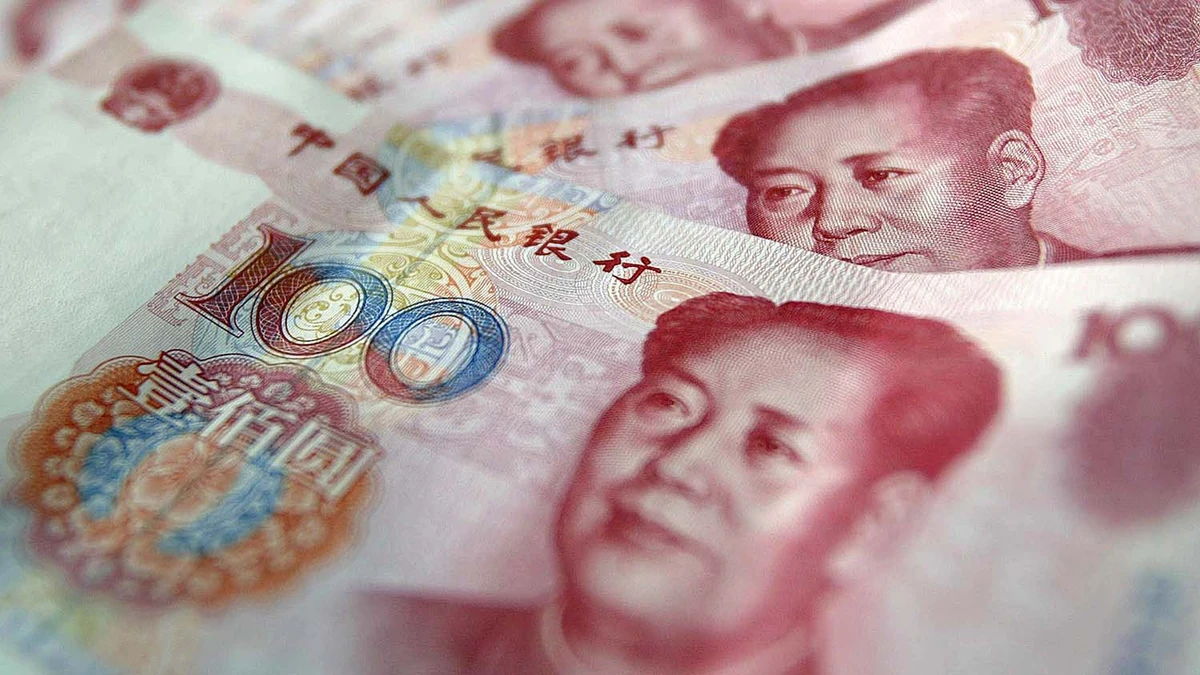
- A Panda bond is a Chinese RMB-denominated bond from a non-Chinese issuer, sold in the People’s Republic of China
- Pakistan is expected to raise around $1 billion from Chinese market through Panda Bonds
KARACHI: Pakistan is set to float its first Panda Bonds in the Chinese market initially targeting around $1 billion worth of financing in Renminbi (RMB) in January 2020 as the country’s economic indicators show encouraging signs, officials said.
A Panda bond is a Chinese RMB-denominated bond from a non-Chinese issuer, sold in the People’s Republic of China. China is the third largest bond market in the world, where Pakistan will issue bonds.
“The Panda Bonds, hopefully, will be issued in January 2020, keeping in view market sentiments and timings,” Omar Hamid Khan, spokesman for the Ministry of Finance, told Arab News on Saturday.
In December 2018, Pakistan’s federal cabinet chaired by Prime Minister Imran Khan approved Islamabad’s foray into the Chinese market through the issuance of Panda Bonds.
Then ministry officials had said the size, tenure, and pricing of the bonds would be determined by market response at the time of issuance, and that there will be several rounds of issuance. The initial round is expected to be between $300 million to $500 million.
Islamabad plans to float the bonds in three phases targeting around $1 billion in the first year. The process is expected to continue for a minimum of three years, targeting up to $2 billion.
Earlier this year, a consortium consisting of Pakistani and Chinese banks had won the contract to serve as the financial adviser and lead manager for Panda bond issuance.
“Habib Bank Limited (HBL) has formed a consortium for Pakistan’s inaugural Panda Bond issue. The consortium includes HBL and three other banks including China Development Bank (CDB) and China International Capital Corporation (CICC),” Farhan Talib, Head of Corporate & Investment Banking for HBL, told Arab News.
Pakistan expects the Panda bonds will help its government diversify the investor base of capital market issuance, and provide a source of raising Renminbi.
Islamabad also expects a strong response from Chinese investors considering the interest shown by Chinese banks and investment groups.
In July this year, Pakistan secured a $6 billion bailout deal from the International Monetary Fund (IMF) to save its economy from a balance of payments crisis.
Now, economists say the country’s improving economic indicators will play a crucial role in the penetration and acceptance of Panda Bonds in Chinese markets.
Last fiscal year, Saudi Arabia pledged $6 billion, including a $3 billion facility for import of oil on deferred payment, which also stabilized Islamabad’s external position.
The Pakistani bond market with double digit interest rates has now become a lucrative option for international investors, and have piled up $642.5 million into local-currency bonds in November only.
“Pakistan has posted current account surplus in October this year. The primary balance of first quarter also has surplus. We are economically being disciplined after IMF program. The current economic situation will help Pakistan in Panda Bonds floatation,” Muzzamil Aslam, a senior economist, told Arab News.