- SITE industry chief warns rising production costs could undermine Pakistan’s textile export growth
- India’s trade agreement with EU could take effect in early 2027, narrowing Pakistan’s tariff advantage
KARACHI: Pakistan’s textile exporters risk losing their competitive advantage in European markets as improved trade access for rival countries and rising production costs threaten the sector, a leading industry representative warned on Saturday, urging the government to lower manufacturing costs and pursue new export markets.
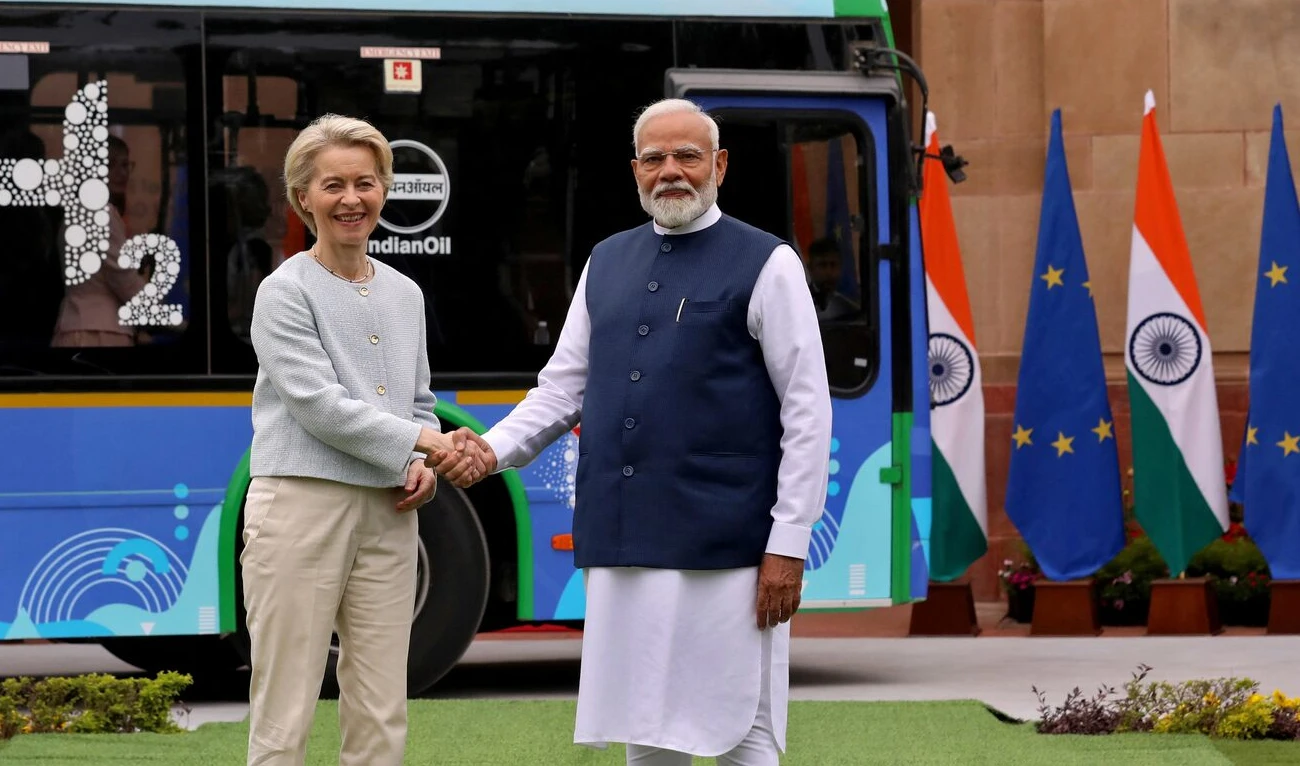
The warning comes as the European Union prepares to implement a free trade agreement with India that could reduce Pakistan’s relative tariff advantage under the bloc’s Generalized Scheme of Preferences Plus (GSP+). India and the EU concluded negotiations in January, and India’s trade minister said on Thursday the agreement could become operational in early 2027.
SITE Association of Industry (SAI) President Abdul Hadi said Pakistan’s textile and apparel exports had grown in the first quarter of the current fiscal year, but high operating costs and increasing regional competition threatened to undermine further gains.
“Exports rose 5.26pc year-on-year to $5.026 billion in the first quarter of FY27, but rising production costs and competition from regional exporters could undermine this growth,” Hadi said in a statement, citing industry figures.
Pakistan’s textile and clothing industry is the country’s largest export sector and a major source of employment and foreign exchange earnings. The European Union is among its most important markets, with preferential access under GSP+ allowing a substantial share of Pakistani goods to enter the bloc duty-free.
Hadi said Pakistan could not rely indefinitely on existing trade preferences and needed to improve productivity, product quality and industrial efficiency to remain competitive.
He urged the government to strengthen trade diplomacy, secure access to additional export markets and reduce the cost of doing business.
According to figures cited by the association, Pakistan’s textile and apparel exports reached approximately $18 billion in the fiscal year ending June 2026. The sector accounts for around 60 percent of the country’s export earnings, the association said.
Hadi said Pakistan remained heavily dependent on relatively low-value-added products, including yarn, fabric and basic home textiles, limiting its ability to earn higher returns in international markets.
He called for greater investment in technical textiles, branded apparel and other higher-margin products, alongside modern technology and improvements in manufacturing productivity.
The SITE chief also expressed concern over declining domestic cotton production, which he said had increased the textile industry’s dependence on imported raw materials.
He also urged the government to improve domestic cotton production and strengthen coordination between the agricultural and industrial sectors to ensure a reliable supply of quality raw materials at competitive prices.