- Government plans gradual shift toward competitive, market-based petrol pricing
- Fuel reserves favored over stabilization fund as regional conflict exposes Pakistan to price, supply shocks
ISLAMABAD: Pakistan is targeting June 2027 to deregulate petrol prices as it plans a gradual shift toward competitive, market-based pricing, the petroleum ministry said on Thursday.
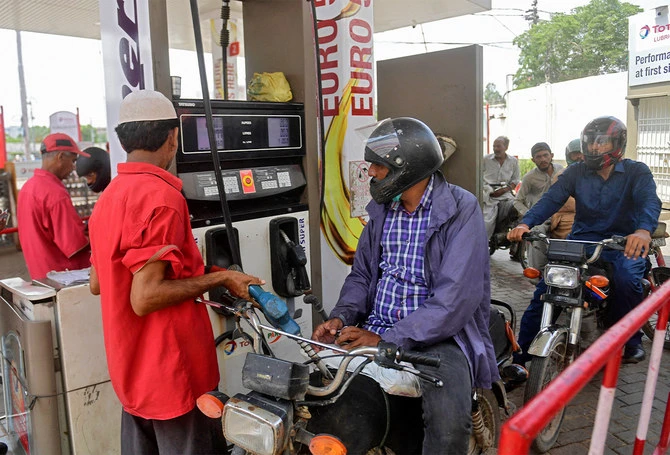
Pakistan currently regulates retail fuel prices, with the government periodically announcing prices based on international costs, taxes, margins and other components. Deregulation would give market forces a greater role in determining what consumers pay at the pump.
The proposed overhaul comes after the conflict in the Middle East exposed Pakistan’s vulnerability to global energy shocks, driving up international fuel costs and disrupting supply routes. The government has spent months monitoring petroleum stocks and supply chains while considering ways to protect consumers from sharp price swings.
“The Committee also reviewed the recommendations for petrol pricing formula while setting a likely target of June 2027 for deregulation of petrol, ensuring a gradual transition towards competitive market-based pricing while protecting consumers from undue price volatility,” the petroleum ministry said in a statement after the timeline was agreed by a government committee reviewing Pakistan’s petroleum pricing framework.
The body's recommendations will be submitted to Prime Minister Shehbaz Sharif for consideration and approval.
The committee also approved guiding principles allowing possible government intervention in diesel prices during emergencies, including predefined triggers for price shocks and potential corrective measures.
The ministry did not specify what would constitute a price shock or emergency, or what measures authorities could take to intervene.
The government has also been considering whether to establish a fund to cushion consumers from abrupt changes in international fuel prices, but the committee indicated that building adequate fuel reserves would be preferable as Pakistan moves toward a deregulated market.
“The committee however observed that in view of ultimate deregulation of market, maintaining adequate fuel reserves would be more appropriate than establishing a stabilization fund,” the ministry said.
Pakistan’s exposure to imported energy became particularly acute after the Middle East conflict erupted earlier this year. The government responded in March by closely monitoring petroleum inventories, global prices, freight and insurance costs and disruptions to major shipping routes.
Pakistan has also told the International Monetary Fund that it raised consumer petrol and diesel prices by 20 percent in March following sharp increases in global prices triggered by the conflict.
The committee said its proposed reforms were intended to make petroleum pricing more transparent and predictable while increasing competition and protecting consumers from abrupt price movements.
The recommendations are not yet final policy and will require consideration and approval by the prime minister.