- Pakistan State Oil signs sale purchase agreement with Oman’s OQT to import petroleum products
- Energy expert says pact aimed at securing alternative fuel supplies in case US-Iran conflict persists
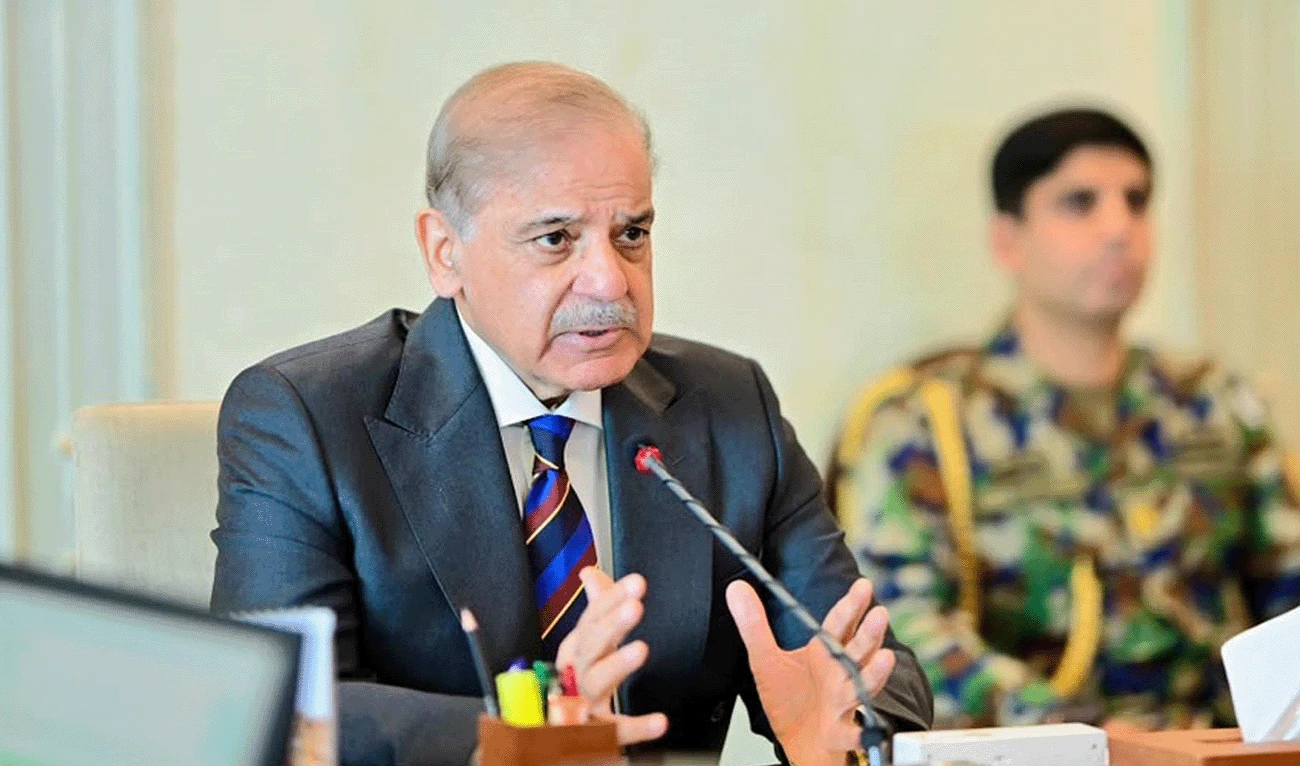
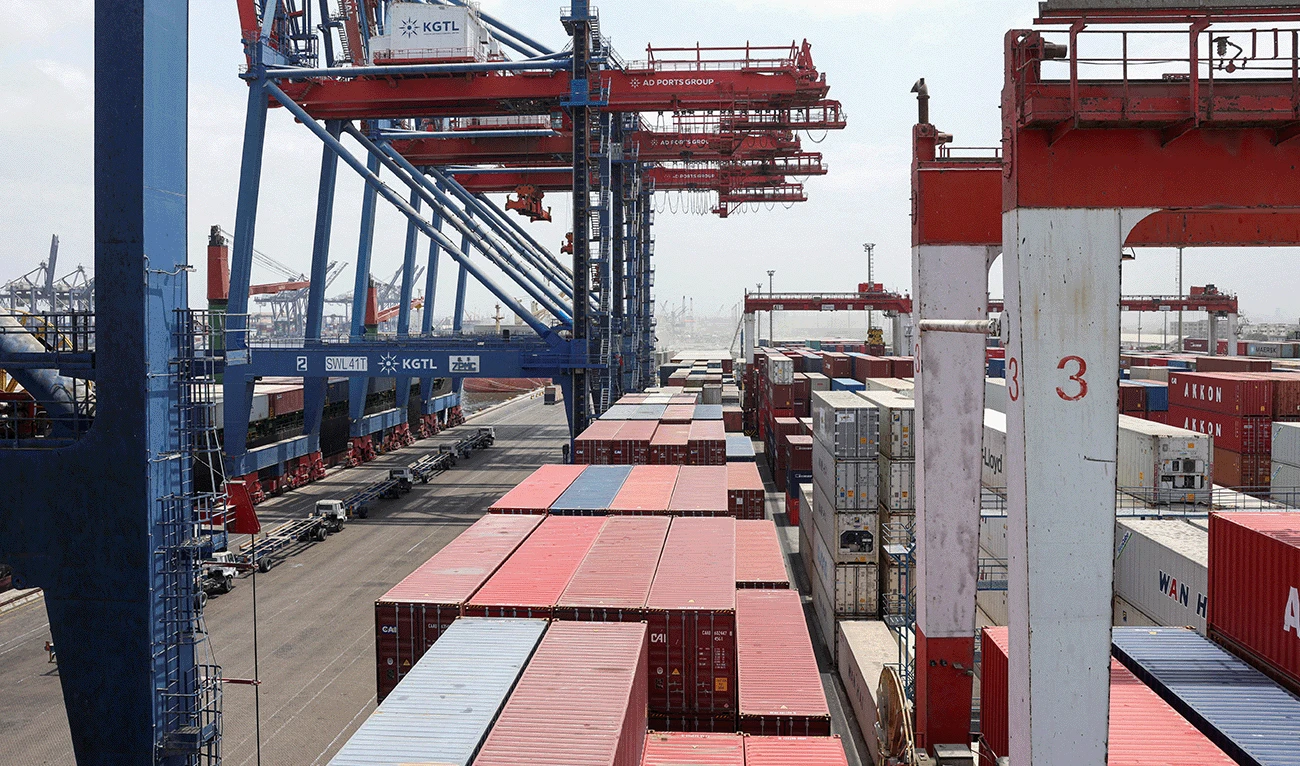
KARACHI: A senior official of the state-owned Pakistan State Oil (PSO) said on Monday that the company has signed a sale purchase agreement (SPA) with Oman’s OQ Trading Limited (OQT) to import petroleum products, a move experts say will help Islamabad diversify its petroleum supplies and strengthen energy security.
The SPA was signed on Oct. 8 after Pakistan’s federal cabinet and the PSO board of directors approved it, a PSO official told Arab News on condition of anonymity as he was not authorized to speak on the matter. Pakistan’s Economic Coordination Committee had earlier approved the agreement in August.
The agreement takes place as Islamabad scrambles to diversify its fuel imports amid regional tensions. The US-Iran war in the Middle East has disrupted energy supplies that reach Pakistan through the Strait of Hormuz, driving oil prices higher and forcing Islamabad to conserve its stock of petroleum products.
“The PSO engaged with OQT for finalizing a draft SPA for the supply of petroleum products,” the PSO official said without sharing further details of the agreement.
Pakistan’s Petroleum Minister Ali Pervaiz Malik and petroleum ministry spokesperson Zafar Abbas did not respond to questions seeking further details of the agreement.
OQT is the international energy and commodity trading arm of the Oman government, with a remit to source, transport, trade, and market qualifying commodity products in the global marketplace.
The agreement was signed under an inter-governmental agreement that the governments of Pakistan and Oman signed in May 2018 to boost bilateral energy cooperation. The SPA itself was signed on Oct. 8, with PSO notifying its shareholders during a stock filing about the development last week.
FUEL BACKUP
As regional tensions squeeze fuel supplies, Pakistan is suffering from power outages. Karachi’s power utility company, K-Electric, warned of possible power load management during evening and nighttime peak hours due to a nationwide shortage of re-gasified liquefied natural gas (RLNG).
“Due to a nationwide RLNG constraint stemming from international supply disruptions and delayed cargoes — affecting generation across the country including KE’s territory — KE may need to undertake load management as an extreme, last-resort measure during evening/night peak hours, if necessitated,” the company’s spokesperson said last week.
Qatar is Pakistan’s long-term contractual supplier of RLNG. Islamabad is facing a gas shortage largely because Qatari suppliers have declared force majeure as the US-Iran conflict persists.
Energy experts say the SPA with Oman is apparently aimed at securing alternative fuel supplies in case the conflict escalates and disrupts existing import channels.
“PSO’s normal contract for petroleum imports is with Kuwait Petroleum,” Muhammad Saad Ali, head of research at Lucky Investments Limited, told Arab News.
“Probably that comes entirely from the Strait of Hormuz. Because of this, they are now diversifying their suppliers. That is why they have made an agreement with Oman for petroleum supply.”
Pakistan, he said, was buying crude oil from the UAE and Saudi Arabia, while sourcing Kuwait and other countries for petroleum products.
Ali said the agreement was primarily a precautionary measure to ensure continuity of supplies, rather than a major change in Pakistan’s energy procurement arrangements.
“This is just a diversification so that there is a backup, in case war escalates and our petrol and diesel supplies don’t dry out,” he said.
He said the SPA could help secure fuel supplies, but commercial implications would depend on the terms offered by Oman compared with Pakistan’s existing arrangements with Kuwait.
“We will have to see if the discount we get from Kuwait Petroleum also comes from Oman,” Ali said.