- Small and medium-sized enterprises account for over 90 percent of businesses in Pakistan
- Push comes as Pakistan seeks greater economic growth as regional tensions push inflation higher
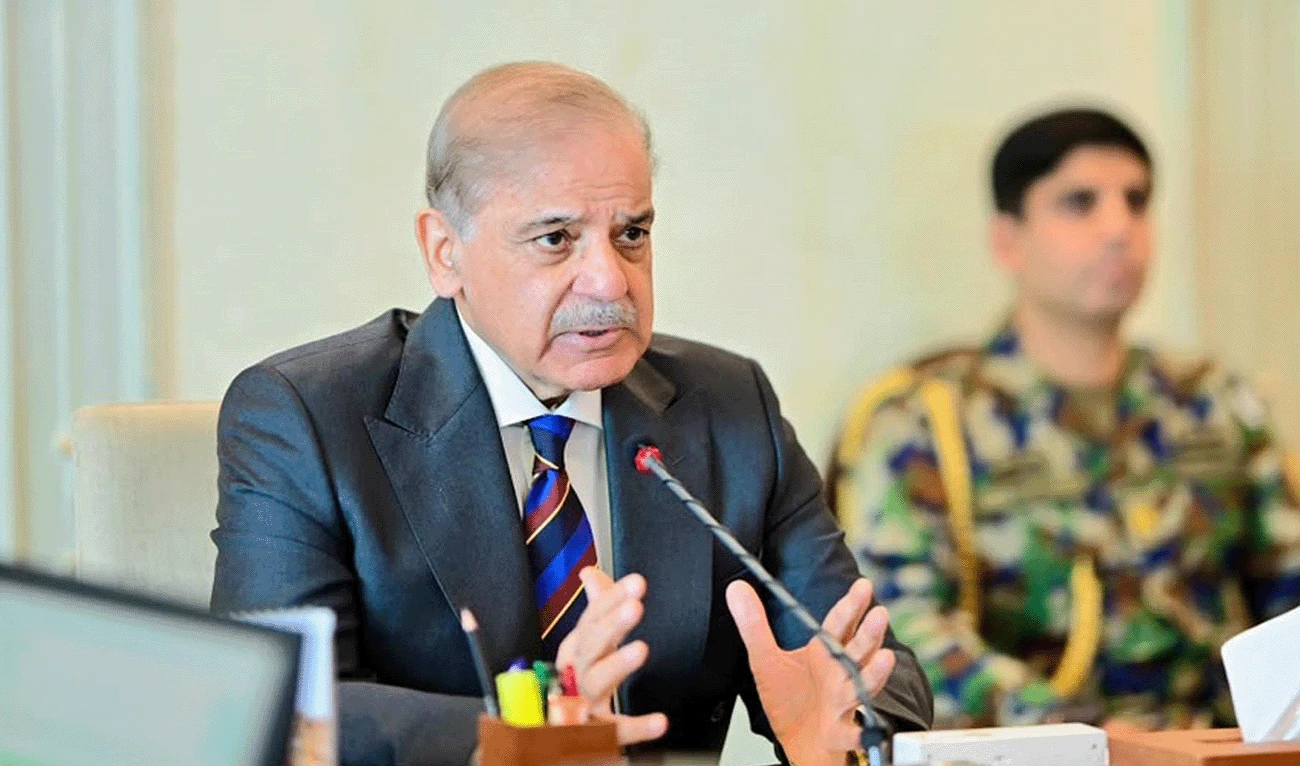
ISLAMABAD: Prime Minister Shehbaz Sharif directed authorities on Monday to double total lending to small and medium-sized enterprises (SMEs) to Rs2.2 trillion ($7.9 billion) from Rs1.1 trillion ($3.9 billion), his office said, describing the business community as the backbone of the country’s economy.
Sharif gave the instructions while chairing a meeting on reforms at the Small and Medium Enterprises Development Authority (SMEDA), a government agency that supports small and medium businesses.
Small and medium-sized enterprises account for more than 90 percent of businesses in Pakistan, contribute an estimated 40 percent of GDP and employ about 78 percent of the non-agricultural workforce. Yet they receive only about 6 to 7 percent of private-sector credit, according to a 2023 study by the Competition Commission of Pakistan.
In July, Sharif directed authorities to prepare a strategy with the central bank and commercial lenders to make financing more accessible for small businesses, while Finance Minister Muhammad Aurangzeb announced a task force led by the State Bank of Pakistan to expand bank lending to the sector.
“The prime minister directed that the total volume of loans for small and medium-sized enterprises be increased from Rs1.1 trillion to Rs2.2 trillion by 2028,” Sharif’s office said in a statement.
The push comes as Pakistan seeks to revive growth under an International Monetary Fund-backed reform program. The IMF estimated last week that growth slowed to 3.6 percent in fiscal year 2025-26, as higher energy prices and supply disruptions linked to the Middle East conflict weighed on the economy.
“The business community is the backbone of any country’s economy, and small and medium enterprises in Pakistan had immense potential to boost growth,” Sharif said.
He said reforms spearheaded by SMEDA were aimed at empowering small business owners, and that helping people in underdeveloped areas set up businesses would reduce migration to big cities and support the country’s overall development.
Sharif directed SMEDA to draw up a plan to inform more people about how to obtain business loans, and to commission expert feasibility studies for small businesses in different sectors, to be made available in local languages.
Officials told participants of the meeting that SMEDA was being turned into a central platform that would train aspiring entrepreneurs and connect them with banks for financing, the statement said. SMEDA offices are being set up across the country, and an artificial intelligence-based helpline is being launched to offer information and guidance in local languages, the statement said.
Officials also said SMEDA had signed a memorandum of understanding with global e-commerce company Alibaba to train 10,000 small and medium enterprises over two years, and that reforms were underway to make its SME digital portal easier to use.