- BP Singapore was only bidder for Sept. 4-8 cargo as Pakistan seeks emergency supplies
- Officials say sought shipment could cover power-sector demand for seven to 15 days
ISLAMABAD: Pakistan has rejected the sole bid for an emergency liquefied natural gas cargo sought amid disrupted supplies from Qatar because the offer was higher than expected, a petroleum ministry official said on Tuesday.
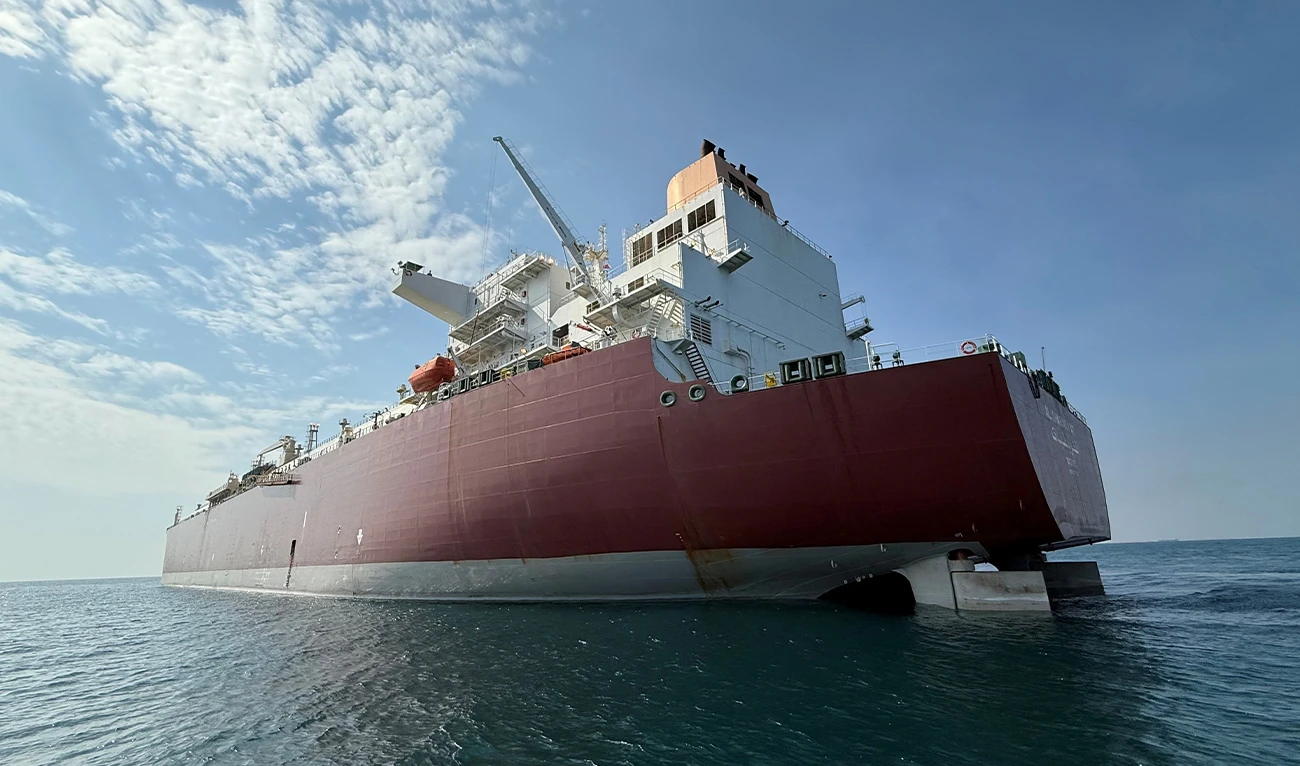
State-owned Pakistan LNG Limited (PLL) had sought a spot cargo of 140,000 cubic meters for delivery at Port Qasim in Karachi between Sept. 4 and 8 as Islamabad looks to cover energy requirements amid disruptions caused by the US-Iran conflict.
“Yes, the PLL Board rejected the LNG spot bid,” a petroleum ministry official told Arab News on condition of anonymity, adding that the price offered was higher than authorities had expected.
An evaluation report issued by PLL on Tuesday showed BP Singapore was the only bidder for the September delivery window and had technically qualified, offering the cargo at $26.969 per million British thermal units (MMBtu), a standard unit used to price natural gas.
The report identified BP Singapore as the “lowest evaluated bidder,” reflecting the outcome of the bidding process in which it was the sole qualifying offer. The designation does not itself mean that a contract was awarded.
The official did not say whether Pakistan would issue another tender to procure the required cargo following the rejection.
Pakistan relies on imported LNG to fuel gas-based power plants, making disruptions to supplies from Qatar particularly significant during the summer months when electricity demand is high. Maritime traffic through the Strait of Hormuz, a narrow waterway connecting the Gulf with the Arabian Sea and a key route for global oil and LNG shipments, has also been disrupted by the conflict.
Earlier on Tuesday, Petroleum Secretary Mirza Nasir Uddin Mashood confirmed Pakistan was seeking the emergency cargo through competitive bidding.
“Yes, we are working on the procurement of LNG cargo, and the process will be completed through open tender,” Mashood told Arab News following a parliamentary committee meeting.
QatarEnergy, Pakistan’s major long-term LNG supplier, declared force majeure after Iranian attacks on two of its main facilities in March halted production, forcing Islamabad to turn to the spot market to cover part of the shortfall. Force majeure is a contractual provision allowing companies to suspend or alter obligations because of extraordinary circumstances beyond their control.
Before the bid was rejected, a senior energy ministry official told Arab News the cargo being sought could cover around seven days of national power-sector demand, or up to 10 days if supplemented with domestic natural gas.
“We hope the demand for power will reduce too in coming days, which will give us a window of up to 15 days before we need another cargo,” the official said.
Pakistan has also faced higher petroleum prices as the regional conflict disrupts supplies and shipping routes, adding pressure to an economy heavily dependent on imported energy.
“Petroleum supply is volatile. The prices will come down when the volatility will end,” Mashood said, adding that the bulk of Pakistan’s petroleum imports were currently arriving through the Red Sea.
Pakistan has been seeking ways to strengthen its energy security since the conflict disrupted traffic through the Strait of Hormuz, through which much of the oil and LNG traditionally imported by the country passes.