- The development comes amid a surge in militancy and heightened political tensions in the country
- Police fired tear gas, live rounds at ex-PM Khan supporters amid clashes on Tuesday, his party said
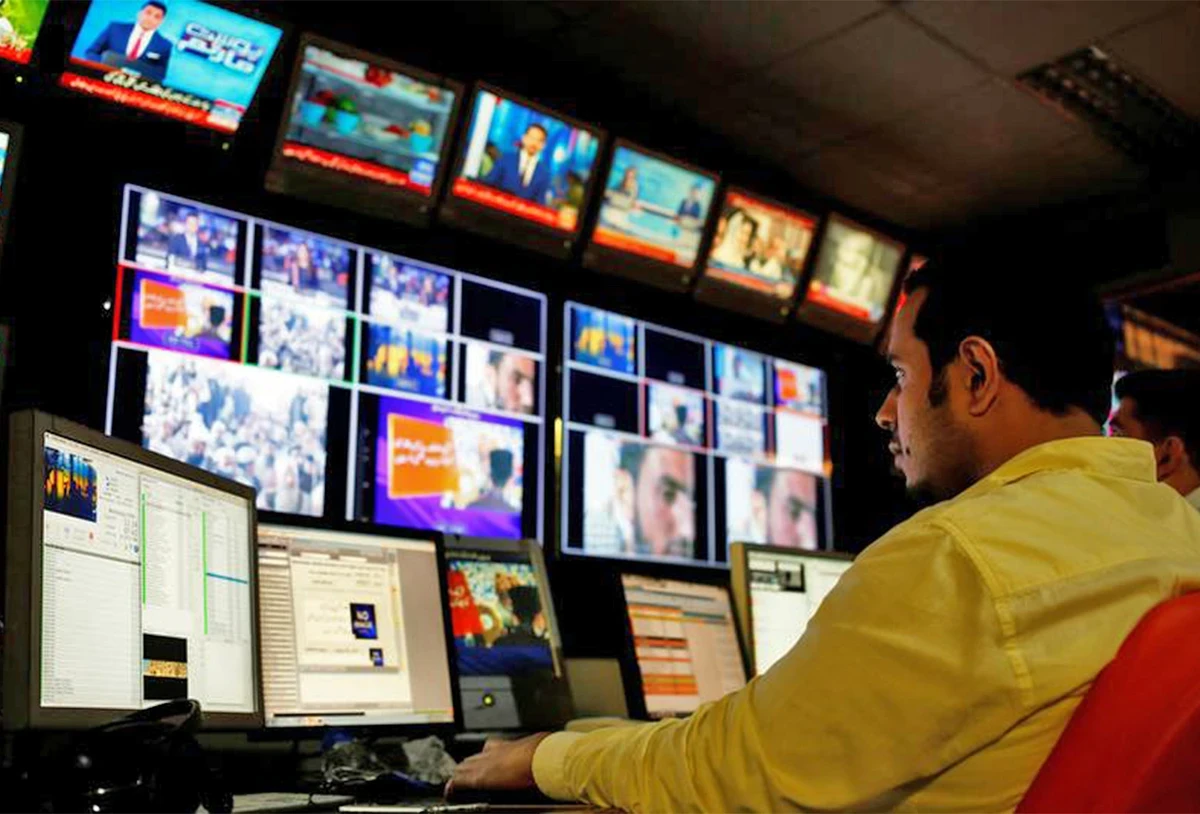
ISLAMABAD: The Pakistan Electronic Media Regulatory Authority (PEMRA) on Tuesday directed satellite TV channels refrain from “broadcast, re-broadcast and live coverage” of any “unpleasant” incident such as an explosion, firing or a militant attack, warning of legal action against violators.
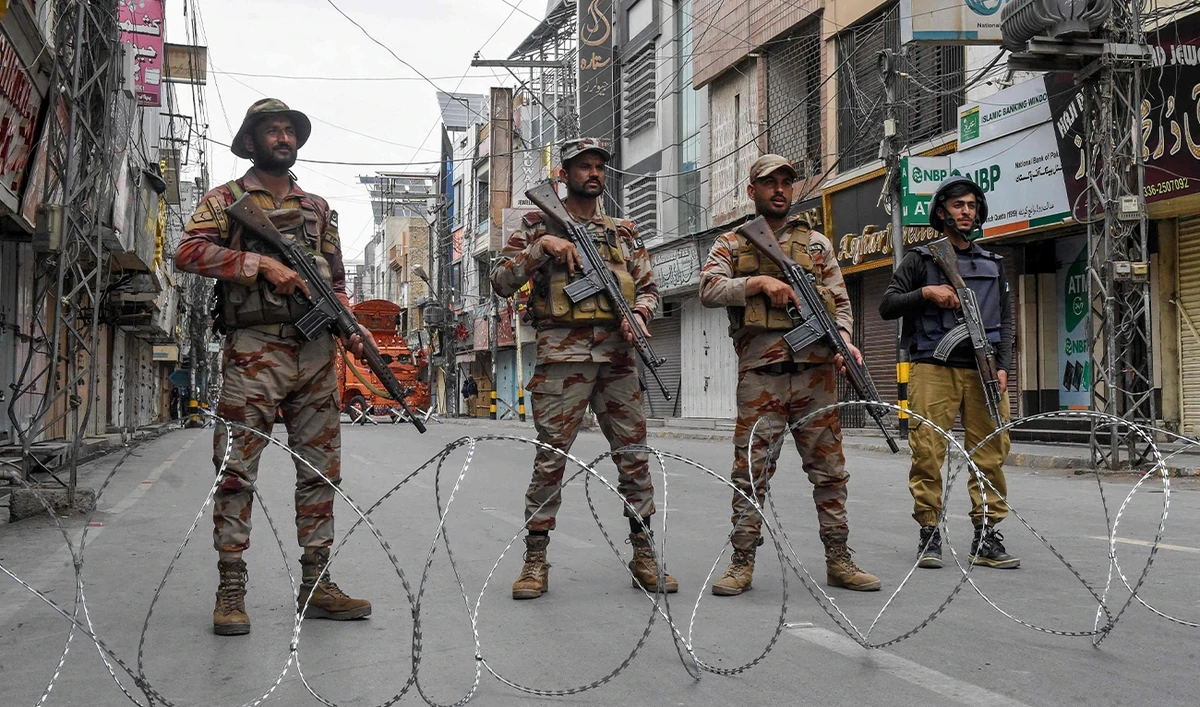
The development comes amid a surge in militancy and heightened political tensions in the country that led the federal government to last week impose an emergency rule in the northwestern Khyber Pakhtunkhwa province, previously ruled by jailed former prime minister Imran Khan’s Pakistan Tehreek-e-Insaf (PTI) opposition party.
Police fired tear gas and live rounds at supporters of the jailed former prime minister on Tuesday as clashes erupted in KP’s Khyber tribal district over the suspension of his party’s provincial government, PTI officials said, an account the provincial administration rejected.
However, the PEMRA notification did not specify a reason for the directive, which was re-issued on Tuesday.
“All satellite TV channel licensees are once again hereby directed to refrain from broadcast, re-broadcast and live coverage of any unfortunate/unpleasant incident such as explosion, blast, firing, terrorist attack etc,” the regulator said in its notification.
“Satellite TV channels must broadcast only such verified information, warranted by the concerned department/law enforcement agency.”
It warned of legal action in case of any violation of the order.
“Furthermore, all the licensees are directed to effectively use time delay mechanism and ensure independent Editorial Board be constituted... with regard to proper utilization of prescribed procedure,” the authority added.
In Aug., Pakistani authorities imposed new restrictions on international media reporting in the country, drawing criticism from journalist bodies.
Under the rules, international journalists and Pakistanis who contribute to foreign outlets, including web-based and social media platforms, have to obtain a no-objection certificate for “official assignments, especially for work outside Islamabad, Lahore and Karachi.”
At the time, Pakistan’s government said the guidelines were not aimed at restricting media but to “provide an administrative mechanism” to verify media outlets, facilitate access and coordinate reporting requirements.
Last month, nine Pakistani and international press freedom and rights groups urged Prime Minister Shehbaz Sharif to address what they called the country’s “rapidly deteriorating press freedom climate” and to withdraw new rules requiring journalists who work for foreign outlets to seek government permission to report outside of major cities.
Pakistan ranks 153rd out of 180 countries in RSF’s 2026 World Press Freedom Index, in the lowest of the index’s five categories.